Assessing the quality of a used vehicle package is crucial for buyers in the export market. This overview provides insights into the grading of vehicle conditions, inspection processes, and factors to consider when sourcing used electric and hybrid SUVs from China. Understanding these components will aid in making informed purchasing decisions.
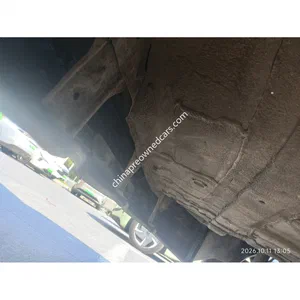
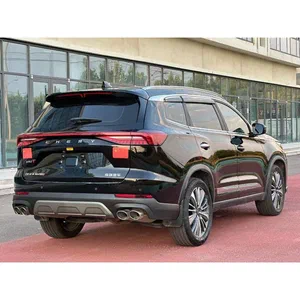
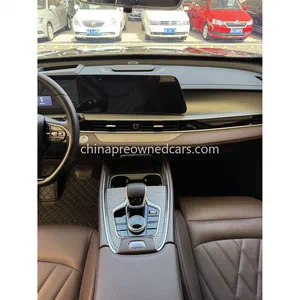
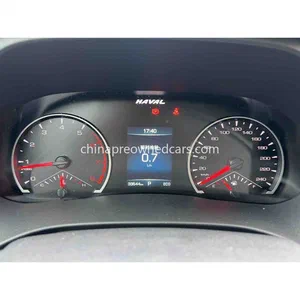
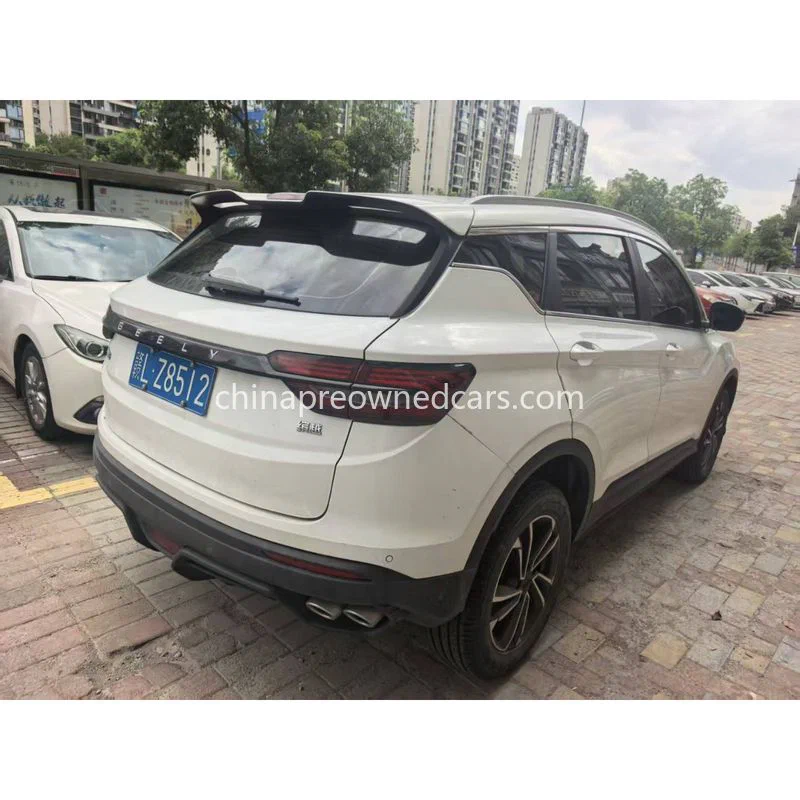
Vehicle condition is typically assessed based on several criteria: cosmetic appearance, mechanical health, mileage, and service history. Cosmetic condition includes the assessment of the interior and exterior for scratches, dents, or signs of wear. Mechanical health covers the performance of critical components, such as the engine, transmission, and brakes. Mileage often plays a significant role, as lower mileage usually suggests less wear and tear. Checking the service history can provide insights into previous maintenance and repairs, which is essential for predicting future reliability.
Pre-shipment inspections are a key part of the export process. These inspections typically cover mechanical components, safety features, and emissions compliance. However, it is important to note that they may not guarantee the vehicle’s entire history or condition. Buyers are encouraged to conduct their own verification, particularly by requesting detailed reports and inspecting the vehicle physically or through a trusted third party.
“Export-grade” or “dealer-grade” vehicles often indicate a higher standard of quality, but these terms can vary in meaning across different markets. In practice, this classification usually refers to vehicles that have been well-maintained and are free from significant defects. However, buyers should confirm this classification through detailed inspections and by reviewing documentation that supports the grade.
When sourcing vehicles, red flags may include inconsistent service records, signs of major repairs, or excessive wear that does not align with the mileage. Buyers should also be cautious of vehicles priced significantly lower than similar models, as this can indicate undisclosed issues. Engaging with a reputable exporter who provides transparency in the vehicle’s history and condition is essential to mitigate these risks.
Export procedures involve several logistics, including customs clearance and shipping methods such as RoRo (Roll-on/Roll-off) or container shipping. RoRo is typically more cost-effective for larger shipments but may not be suitable for all vehicle types. Container shipping provides better protection but is generally more expensive. Buyers should also prepare for documentation requirements, including export licenses and customs declarations, which vary by destination.

In terms of market-specific requirements, most Chinese-brand vehicles are left-hand drive. Import regulations differ by country, influencing vehicle age limits and emission standards. For example, African markets may have specific restrictions on vehicle emissions or age, which can change frequently. Buyers should verify current regulations for their target market before proceeding with a purchase.
FAQ
Q: What should I verify before purchasing a used vehicle? A: Buyers should verify the vehicle’s service history, condition reports, and conduct a physical inspection to assess cosmetic and mechanical health.
Q: How long does the shipping process typically take? A: Shipping lead times usually range from 15 to 25 days, depending on the method chosen and the destination port.