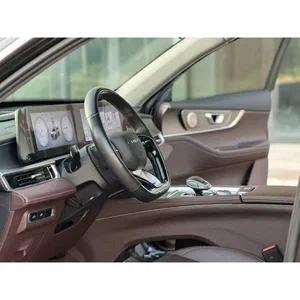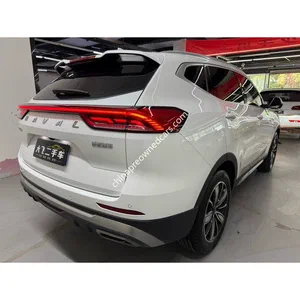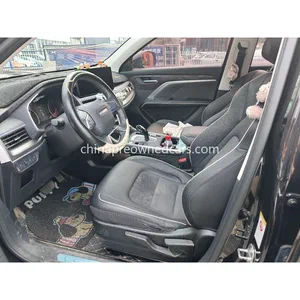
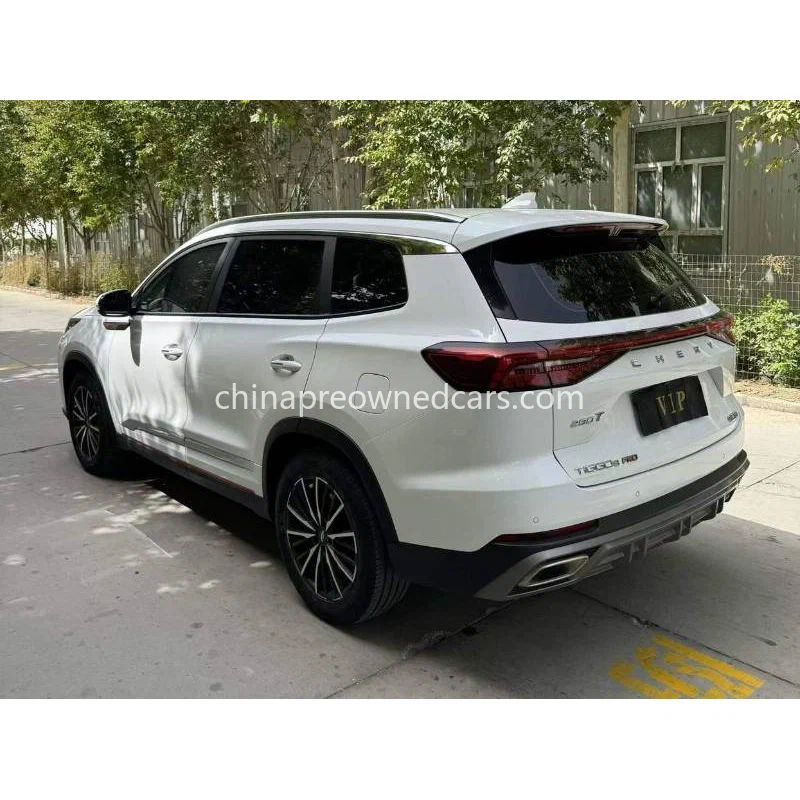
Finding reliable used vehicles online can be challenging, especially for overseas buyers seeking Chinese-brand electric and hybrid SUVs. This guide outlines essential steps and considerations for verifying vehicle condition, understanding export procedures, and navigating customs and duty requirements.
Verifying Vehicle Condition
Before finalizing any purchase, it is crucial to verify several aspects of the vehicle. Buyers should check the mileage to ensure it aligns with the advertised condition. A complete service history can provide insights into any previous maintenance or repairs. For electric vehicles, battery health is particularly important; request a detailed report on the battery’s state of health. Additionally, obtaining the Vehicle Identification Number (VIN) enables cross-referencing with official records to confirm authenticity and accident history. Asking for recent inspection reports can also help verify the vehicle’s overall condition.
Understanding Export Procedures
Exporting vehicles involves specific procedures that must be adhered to. Firstly, ensure that a pre-shipment inspection is conducted to assess compliance with importing country standards. The exporter should provide documentation, including an export license, customs clearance paperwork, and a bill of lading, which is essential for shipping. Vehicles can be shipped either via RoRo (Roll-on/Roll-off) or in containers, with each method having its advantages and considerations regarding cost and protection during transit. Buyers should confirm the shipping method and associated lead times, typically ranging from 15 to 25 days.
Customs and Duty Requirements
When importing vehicles, understanding customs and duty regulations is vital. Duty is generally calculated on a Cost, Insurance, and Freight (CIF) basis, and various factors can influence this, including the age of the vehicle and any applicable penalties for older models. Required documents may include Form M, a PAAR (Pre-Arrival Assessment Report), and a certificate of origin. Potential valuation disputes could arise if the customs authority disagrees with the declared value, making it critical for buyers to have accurate and honest documentation. Engaging a clearing agent can facilitate the customs process, but delays can occur due to incomplete paperwork or discrepancies in vehicle valuation.
Assessing Exporter Credibility
Selecting a trustworthy exporter is paramount to a successful transaction. Buyers should research the exporter’s reputation, checking for reviews or testimonials from previous clients. It’s advisable to verify their business licenses and any industry certifications. A credible exporter should be transparent about their sourcing methods, inspection processes, and after-sales support. Understanding the payment terms before proceeding can prevent misunderstandings; standard practices may involve a deposit followed by the balance upon shipping.
Common Challenges and Solutions

Several challenges may arise during the purchase and importation of used vehicles. Miscommunication about vehicle specifications or condition can lead to dissatisfaction upon receipt. Buyers should maintain clear communication with the exporter and document all agreements in writing. Additionally, customs clearance can be delayed due to missing documents or discrepancies in declared values. To mitigate such issues, buyers should thoroughly review all paperwork and ensure it matches the vehicle details. Engaging a knowledgeable local consultant in the destination country can also help navigate specific regulations and customs processes.
FAQ
Q: What documents should I request before purchasing a used vehicle?
A: Request the inspection report, export license, customs clearance paperwork, and the vehicle’s service history.
Q: How is customs duty calculated for imported vehicles?
A: Customs duty is typically calculated on a CIF basis and can vary based on vehicle age and declared value.