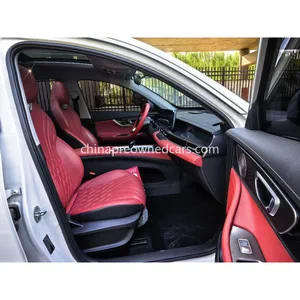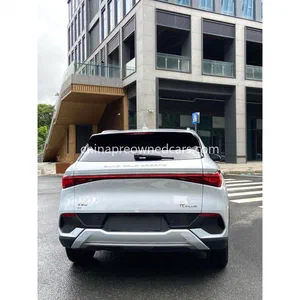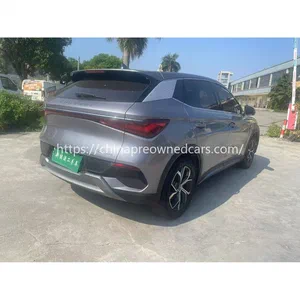
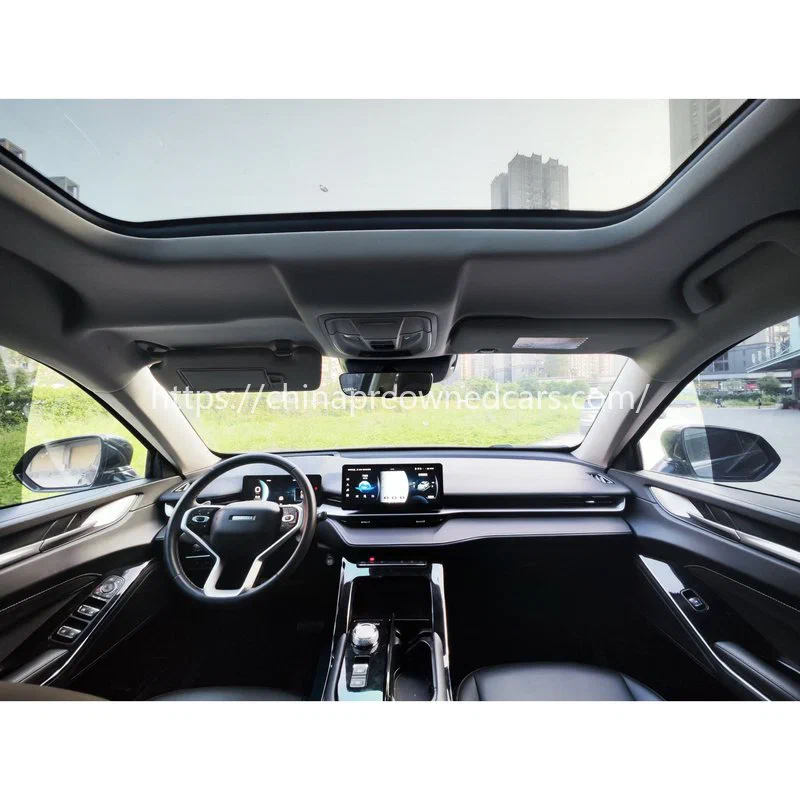
The BYD Atto 3 and Chery Tiggo 8 Pro represent two notable options in the Chinese electric and hybrid SUV segment. Each model comes with unique features, specifications, and trade-offs that may impact decisions for export to markets such as Ghana, Nigeria, and Kenya. Understanding the differences between these vehicles is essential for potential buyers evaluating their suitability based on local requirements and preferences.
In terms of powertrain, the BYD Atto 3 is fully electric, utilizing a 60.48 kWh battery that provides an estimated range of approximately 420 kilometers on a full charge, depending on driving conditions and usage. The vehicle supports DC fast charging, making it suitable for urban environments with established charging infrastructure. The Chery Tiggo 8 Pro, on the other hand, offers a hybrid powertrain option. It combines a gasoline engine with an electric motor, which can enhance fuel efficiency compared to traditional combustion vehicles. Buyers should consider local charging capabilities and fuel availability when selecting between these two powertrains.
Emission standards are a critical consideration for export markets. The fully electric Atto 3 typically meets higher emission standards, making it attractive for countries aiming to reduce pollution. However, the Tiggo 8 Pro’s hybrid nature may also comply with lenient emission regulations in many markets. Import regulations vary significantly by destination, and it is advisable for buyers to confirm the specific requirements for vehicle age, emission standards, and environmental compliance prior to purchase.
Left-hand drive (LHD) compatibility is another factor when considering these models for export. Most of the inventory, including the Atto 3 and Tiggo 8 Pro, are LHD vehicles, aligning with the driving systems in most target markets like Ghana and Nigeria. However, buyers should verify if the intended market has specific requirements or preferences for vehicle specifications.
Parts and service availability can significantly influence ownership experience, especially in emerging markets. The BYD brand has been expanding its dealer network internationally, enhancing service options for Atto 3 owners. The Chery Tiggo 8 Pro, while also gaining recognition, may have more limited service points in certain regions. Prospective buyers should consider local dealership support and parts availability when making a choice between these models.
Documentation and customs clearance are essential steps in the export process. Required documents typically include a Form M, a PAAR, and a certificate of origin. Duty calculations are generally based on the cost, insurance, and freight (CIF) value of the vehicle, and age penalties may apply. Buyers should engage a clearing agent to facilitate customs processes and help navigate potential valuation disputes. Delays can occur due to incomplete documentation or discrepancies during customs inspections, making thorough preparation crucial.

Finally, after-sales support plays a vital role in customer satisfaction. Both BYD and Chery are improving their aftermarket service offerings. However, the level of support may differ based on regional presence and market penetration. Buyers are encouraged to evaluate local service options and warranty provisions when assessing these vehicles.
FAQ
Q: What are the main differences between the BYD Atto 3 and Chery Tiggo 8 Pro?
A: The Atto 3 is a fully electric SUV with a longer range, while the Tiggo 8 Pro offers a hybrid powertrain that may be beneficial for areas with limited charging infrastructure.
Q: What documents are required for exporting a vehicle from China?
A: Key documents include a Form M, PAAR, and a certificate of origin, which are necessary for customs clearance in the destination country.
Q: How can I ensure compliance with local import regulations?
A: Buyers should verify the specific import requirements, including vehicle age and emission standards, for their target market before making a purchase.