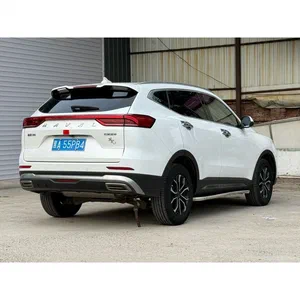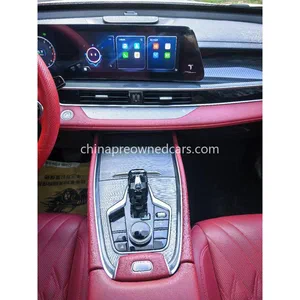
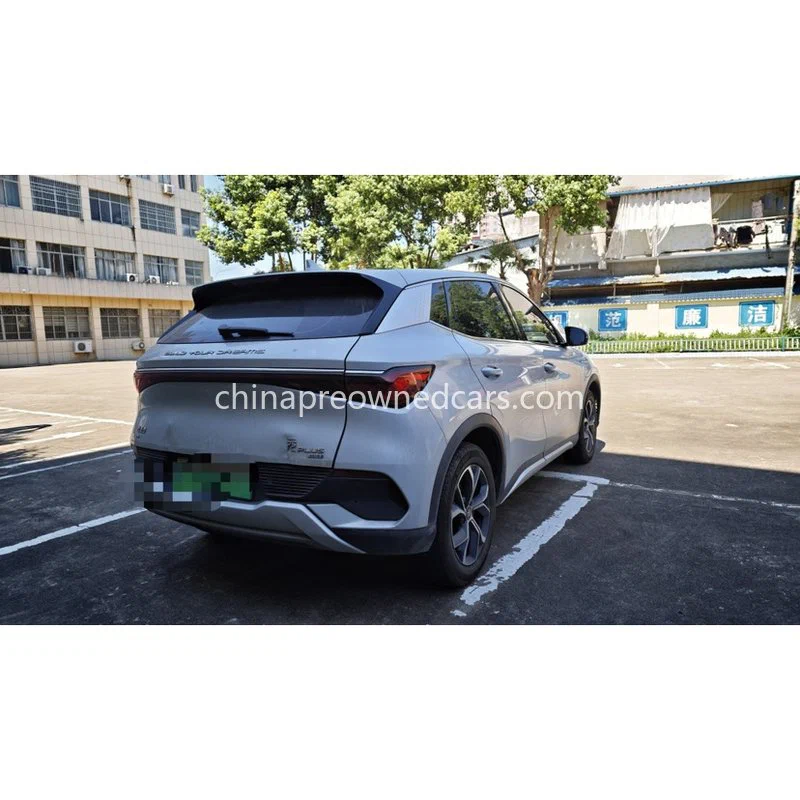
Chery Tiggo 7 Plus and Haval H6 are both prominent options within the Chinese SUV market, particularly for buyers looking to import vehicles to regions such as Africa and the Middle East. Understanding the specifications and features of each model is essential for making informed decisions, especially regarding price negotiation strategies. This comparison will help potential buyers weigh the differences that matter when assessing these vehicles for export.
Powertrain and Efficiency
The Chery Tiggo 7 Plus is equipped with a 1.5-liter turbocharged engine, offering a balance of power and fuel efficiency. It typically achieves around 6.5 liters per 100 kilometers, making it suitable for buyers focused on lower running costs. Conversely, the Haval H6 features a choice between a 1.5-liter turbo engine and a more powerful 2.0-liter variant, which provides enhanced performance at the cost of slightly higher fuel consumption, generally around 7.5 liters per 100 kilometers. Buyers should consider their priorities—whether they prioritize efficiency or performance—when choosing between these two models.
Emission Standards and Market Suitability
Both vehicles generally align with modern emission standards, which is crucial for compliance in many export markets. However, specific requirements can vary by country. For instance, some African nations may impose stringent emissions regulations that affect eligibility. Buyers are advised to check the latest standards in their target markets, as compliance can influence duty rates and registration processes. Furthermore, both models are predominantly left-hand drive, which suits most markets in Africa but may not be suitable for right-hand drive regions.
Parts Availability and After-sales Support
Parts availability is a significant consideration for long-term vehicle ownership. Chery and Haval have established service networks in various regions, including Africa. However, the Haval H6 may have a slight advantage due to its broader market presence and higher sales volumes, leading to more accessible spare parts and support services. Buyers should evaluate the local service infrastructure for both brands to ensure they can obtain necessary repairs and maintenance conveniently.
Export Procedures and Customs Clearance

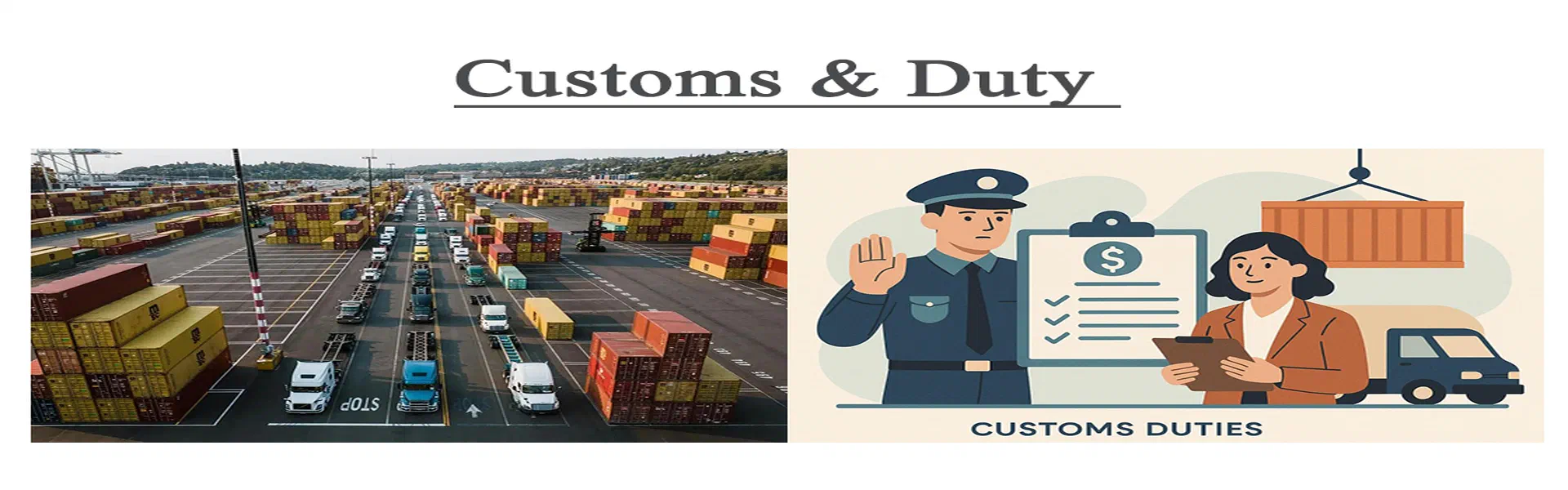
Exporting a vehicle involves several essential steps. Pre-shipment inspections are mandatory to ensure the vehicle meets import standards in the destination market. Necessary documents include the Form M, PAAR, and a certificate of origin, which help facilitate customs clearance. Duty is typically calculated on a Cost, Insurance, and Freight (CIF) basis, with age penalties potentially affecting the total cost. Valuation disputes can also arise if the declared value does not align with customs expectations. Engaging a reliable clearing agent can mitigate delays, ensuring a smoother import process.
FAQ
Q: What are the key differences between the Chery Tiggo 7 Plus and Haval H6?
A: The Tiggo 7 Plus generally offers better fuel efficiency, while the Haval H6 provides more powerful engine options. Parts availability may also vary based on market presence.
Q: How is customs duty calculated for imported vehicles?
A: Customs duty is usually calculated on a CIF basis, with additional considerations for vehicle age and any potential penalties.
Q: What documents are required for vehicle export?
A: Essential documents include the Form M, PAAR, and a certificate of origin to ensure smooth customs clearance.