
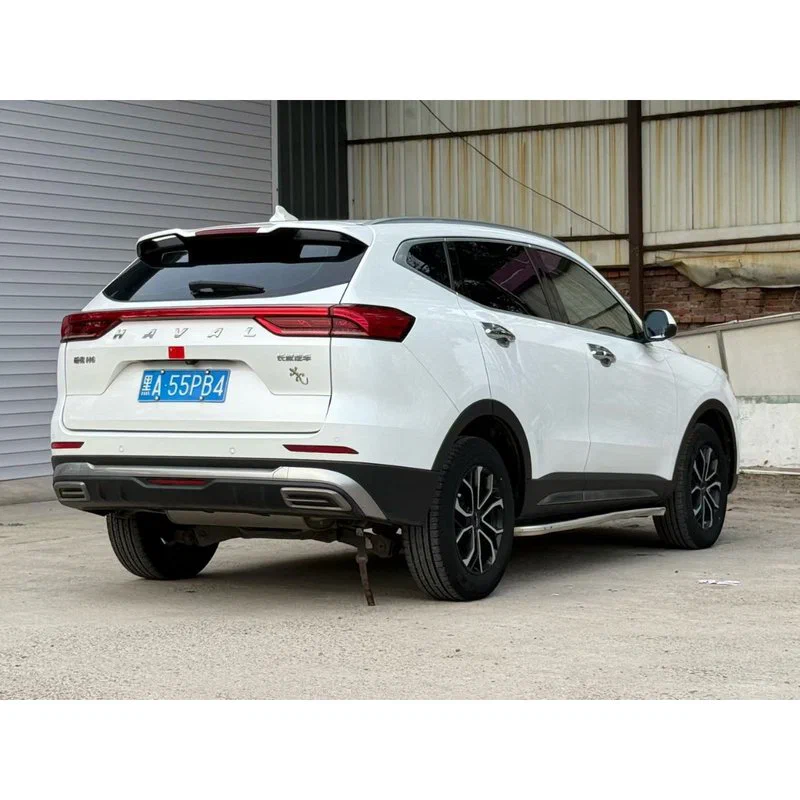
The Haval H6 and Geely Coolray are popular options for budget-conscious buyers looking for pre-owned vehicles under 20000. Both models offer competitive features and specifications, making them suitable for various markets, particularly in Africa. This article compares these two models in terms of powertrain, fuel efficiency, emission standards, and service availability to help potential buyers make an informed choice.
Powertrain and Fuel Efficiency
The Haval H6 is equipped with a turbocharged 2.0-liter engine that delivers a balance of power and efficiency. It offers a fuel consumption rate that is competitive in its class, making it an attractive option for those who prioritize fuel economy. In contrast, the Geely Coolray features a smaller 1.5-liter turbocharged engine, which also provides commendable fuel efficiency but with slightly less power. Buyers need to consider their driving preferences; the H6 may be better suited for those who require more power for highway driving, while the Coolray is a solid choice for urban commuting.
Emission Standards and Export Compatibility
When exporting to various African markets, such as Ghana or Nigeria, compliance with local emission standards is crucial. The Haval H6 and Geely Coolray are designed to meet certain emission regulations, but these standards can vary significantly by country. Buyers should verify the specific requirements for their destination, as some markets may impose penalties on older vehicles or those that do not meet current standards. Understanding these requirements helps mitigate potential issues during the customs clearance process.
Parts and Service Availability
Both the Haval H6 and Geely Coolray benefit from a growing network of parts and service providers in many African countries. However, the H6, being a more established model, may offer better availability of parts and service centers, making maintenance more convenient. Buyers should assess the local market support for each brand to ensure they can easily access parts and services post-purchase. This consideration is important for long-term ownership satisfaction and cost management.

Customs Procedures and Documentation
Importing vehicles involves navigating complex customs procedures, which can vary by destination. Duty is typically calculated on a Cost, Insurance, and Freight (CIF) basis, and age penalties may apply to older vehicles. Required documentation often includes a Form M, Pre-Arrival Assessment Report (PAAR), and a certificate of origin. Engaging a clearing agent can facilitate the process, but delays can arise from incomplete documentation or valuation disputes. Buyers should prepare thoroughly to minimize potential delays and ensure a smoother import process.
FAQ
Q: What should I verify before purchasing a used vehicle?
A: Buyers should check the vehicle’s condition, service history, and compliance with local regulations, including emission standards.
Q: What are typical payment terms for used vehicles?
A: Payment terms can vary, but buyers often encounter options such as full payment upfront or installment plans, depending on the exporter.
Q: How long does shipping typically take for imported vehicles?
A: Shipping lead time usually ranges from 15-25 days, depending on the shipping method and destination port.