
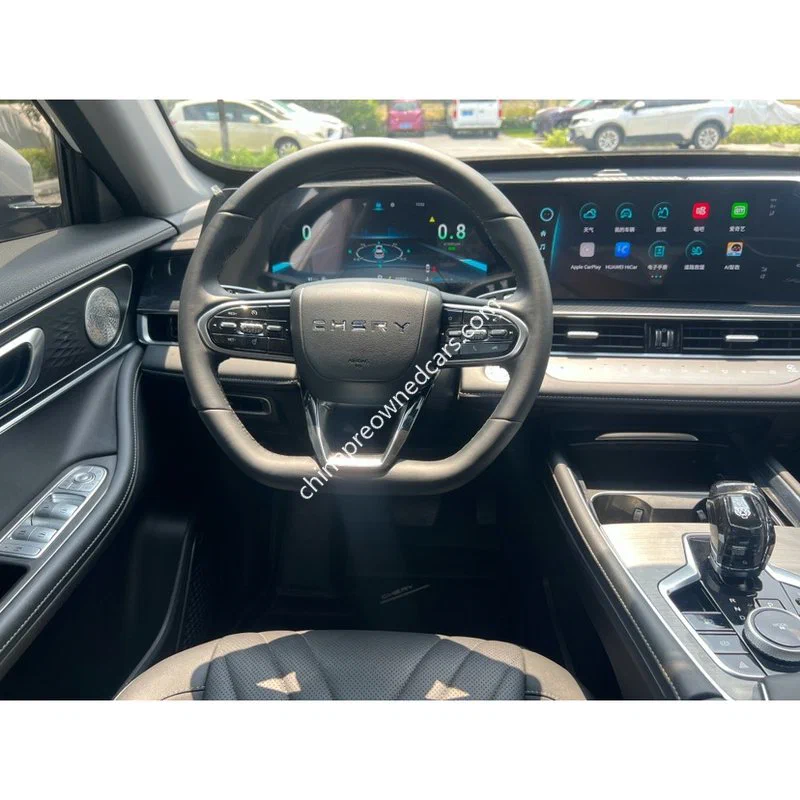
Used electric vehicles (EVs) and hybrids offer unique advantages and considerations for buyers in the export market. Electric SUVs such as the BYD Atto 3 and Chery Tiggo 8 Pro provide zero tailpipe emissions, while hybrid models like the Chery Tiggo 7 Plus and Geely Coolray combine electric power with a combustion engine for increased range. Buyers must assess key differences like powertrain efficiency, range, and local compatibility with emission standards, as these factors significantly influence suitability for specific markets in Africa and beyond.
Powertrain configurations are essential for determining vehicle performance and efficiency. Electric vehicles typically offer lower energy costs and fewer mechanical components, which can lead to reduced maintenance expenses. However, charging infrastructure varies by region, particularly in markets like Ghana and Nigeria. Hybrids, on the other hand, utilize both electric and gasoline engines, providing greater flexibility but potentially higher fuel consumption. Understanding the range of each model is crucial; for instance, the BYD Atto 3 may appeal to buyers seeking a purely electric option, while hybrid options like the Haval H6 can attract those concerned about charging availability. Furthermore, buyers should verify the vehicle’s compliance with local emission standards, as regulations differ by country.
The customs and duty process is another important consideration when importing used vehicles. Duties are generally calculated on a Cost, Insurance, and Freight (CIF) basis, which can include penalties for older vehicles. Documents such as Form M, PAAR, and a certificate of origin are typically required for customs clearance. Valuation disputes may arise, particularly if the declared value does not align with market expectations. Engaging a reliable clearing agent can help navigate these complexities. Delays can occur due to incomplete documentation, so thorough preparation is essential to ensure timely shipping.

FAQ
Q: What should I check before purchasing a used vehicle for export?
A: Buyers should verify the vehicle’s condition, mileage, and history through inspections and reports. It’s also important to confirm compliance with local regulations and emission standards.
Q: How long does shipping usually take for used vehicles to Africa?
A: Shipping lead times typically range from 15 to 25 days, depending on the shipping method and destination port.