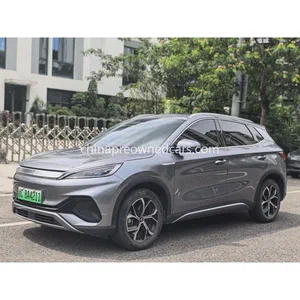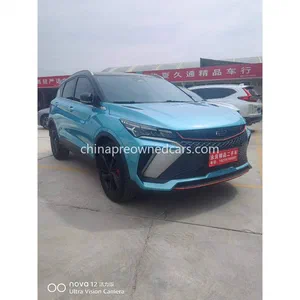
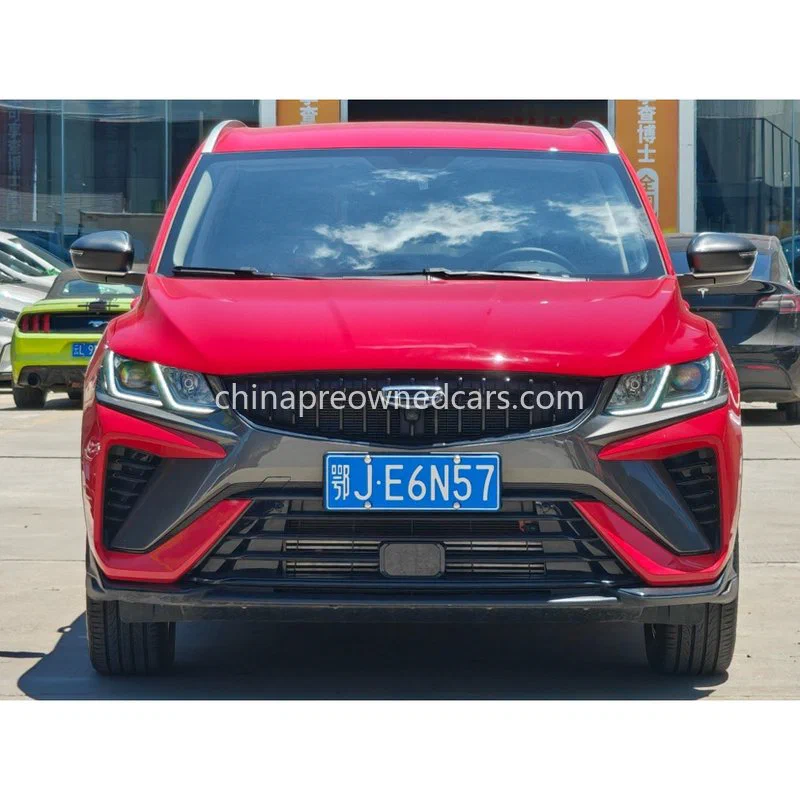
Exporting low-cost electric vehicles requires careful consideration of various technical and regulatory aspects. Buyers interested in models such as the BYD Atto 3 or Chery Tiggo 8 Pro must ensure vehicles meet destination market requirements, especially concerning battery health, charging infrastructure, and customs clearance.
A critical factor when sourcing electric vehicles is the battery state-of-health. This assessment not only impacts the vehicle’s performance but also its resale value in international markets. Buyers should request detailed battery reports and verify the health of the batteries, as degradation can significantly affect range and charging capabilities. Moreover, understanding the charging connector standards accepted in the destination market is essential. For example, while the GB/T standard is common in China, markets may also utilize CCS or CHAdeMO connectors. Ensuring compatibility with local charging stations can prevent operational issues for end-users.

Transporting electric vehicles also involves specific regulations. Compliance with battery transport regulations is crucial, as vehicles may fall under UN 3480 as dangerous goods. Proper labeling and documentation are necessary for safe shipping. It is advisable for exporters to work closely with logistics partners experienced in handling electric vehicles to avoid delays and ensure compliance with international standards.
The customs clearance process for electric vehicles varies by destination and can be complex. Duty calculations typically occur on a Cost, Insurance, and Freight (CIF) basis, and age penalties may apply depending on the vehicle’s model year. Buyers must prepare necessary documents, including Form M, PAAR, and a certificate of origin. Disputes regarding vehicle valuation can arise; thus, maintaining transparent communication with clearing agents is important. These agents play a crucial role in navigating the customs process and can help mitigate delays caused by documentation errors or compliance issues.
Each destination market has its own import regulations regarding electric vehicles. For instance, many African countries may have specific emission standards and vehicle age limits that must be adhered to. Buyers should confirm the latest regulations, as these can frequently change. Understanding local requirements will help avoid unexpected costs and ensure compliance during the import process.
In addition to technical specifications, buyers should consider practical aspects such as payment terms and shipping lead times. Payment structures can vary, often requiring upfront deposits or full payment before shipment. Shipping lead times for electric vehicles typically range from 15 to 25 days, depending on the shipping method chosen, whether RoRo or container shipping. Buyers should factor in potential delays related to customs clearance and local regulations.
FAQ
Q: What should I verify before purchasing an electric vehicle for export?
A: Buyers should ensure the battery state-of-health, verify charging connector compatibility, and confirm local import regulations.
Q: How is customs duty calculated for electric vehicles?
A: Customs duty is generally calculated on a CIF basis, factoring in the vehicle’s cost, insurance, and freight, along with any applicable age penalties.