Understanding the essential checks for overseas buyers of fuel-efficient used cars is crucial for making informed decisions. This article outlines key considerations for verifying vehicle conditions, export documentation, and customs regulations that can affect the buying process.
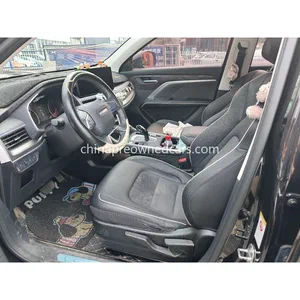
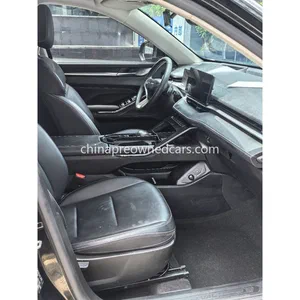
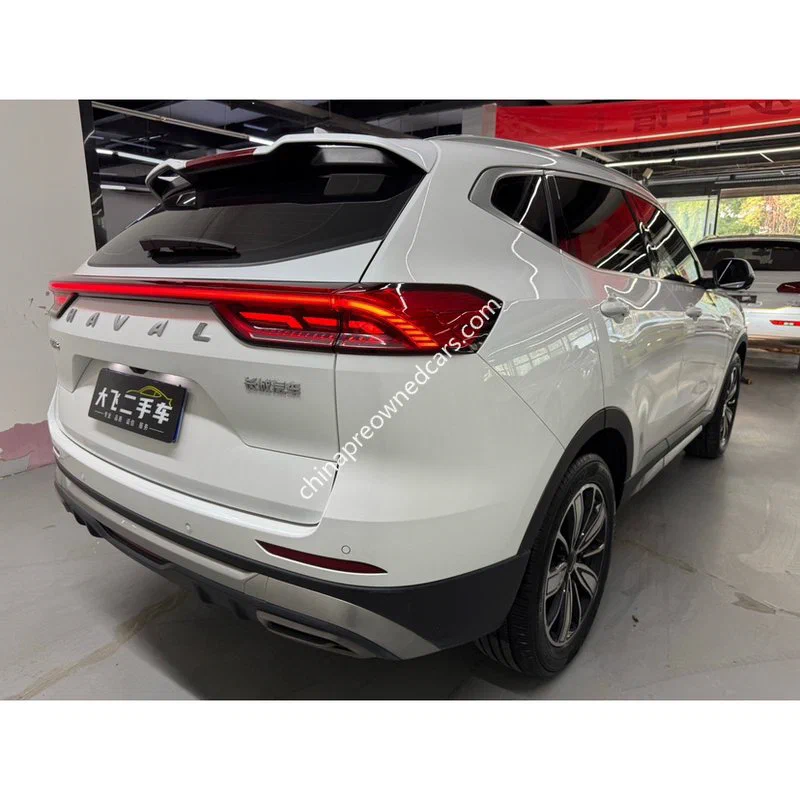
Before finalizing a purchase, buyers should verify several critical aspects of the vehicle. Mileage is important; low mileage often indicates less wear and tear. Additionally, reviewing the service history can provide insights into how well the vehicle has been maintained. Buyers should inquire about any accident records, as these can affect both safety and resale value. For electric vehicles, checking the battery health is vital, since it directly influences performance. Lastly, confirming the authenticity of the Vehicle Identification Number (VIN) helps ensure that the vehicle’s history is legitimate and reduces the risk of fraud.
Documentation plays a crucial role in the export process. Buyers should request an inspection report from a reliable source to ensure that the vehicle meets quality standards. An export license is also necessary, as it verifies that the vehicle is cleared for international shipment. Customs clearance paperwork, including Form M and PAAR, must be in order to facilitate smooth entry into the destination country. Buyers should ensure that all documents are provided and accurate, as discrepancies can lead to delays or additional costs.
Selecting a credible exporter is essential. Buyers should look for exporters with a proven track record and positive reviews from previous customers. It can be helpful to request references or case studies showcasing successful transactions. Verifying the exporter’s licensing and certification can also provide additional assurance of their credibility. Transparency in communication and willingness to answer questions can indicate a trustworthy business.
Payment terms can vary widely among exporters. Typical arrangements may include upfront payments, a deposit followed by the balance upon delivery, or payment through escrow services. Buyers should understand these terms clearly and ensure they align with their financial capabilities. It’s also advisable to confirm the currency and method of payment, as these can impact overall costs due to exchange rates and transaction fees.
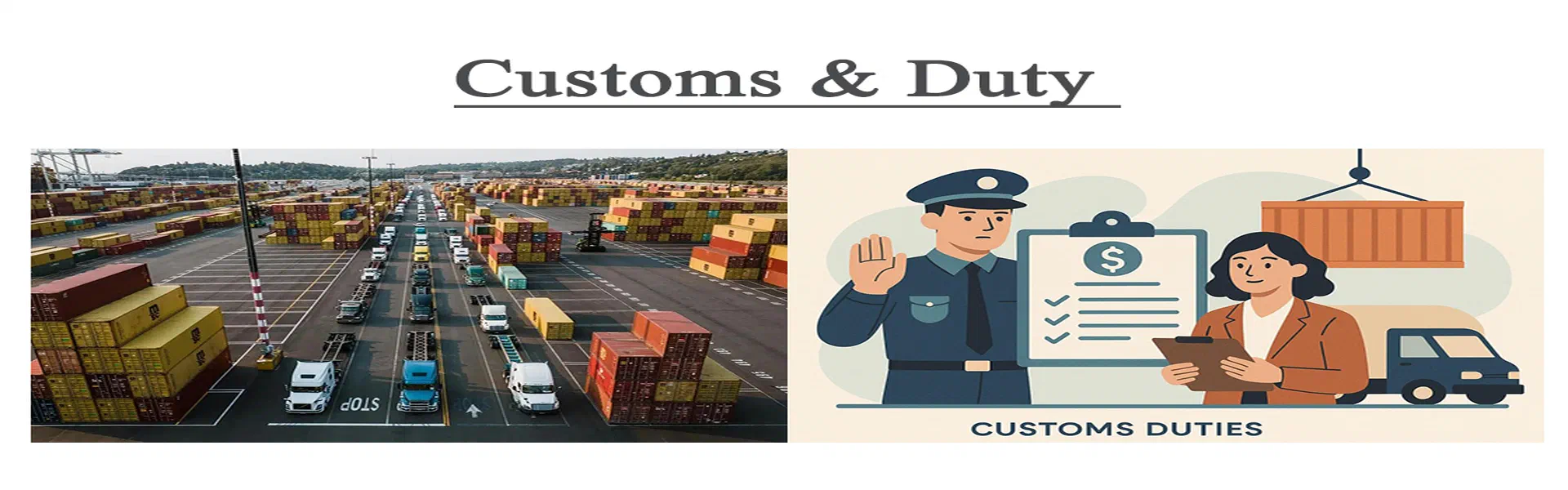
Exporting used vehicles involves navigating customs and duty regulations specific to each destination market. Duties are usually calculated on a Cost, Insurance, and Freight (CIF) basis, factoring in the vehicle’s value, shipping costs, and insurance. Age penalties might apply, as some countries impose higher duties on older vehicles. Buyers should familiarize themselves with any potential valuation disputes that could arise during customs inspections. Engaging a clearing agent can expedite the process, as they are experienced in dealing with customs requirements and documentation.

Delays in shipments can occur for various reasons, including incomplete documentation, customs inspections, or logistical issues. Buyers should be aware of these potential challenges and plan accordingly. Ensuring that all paperwork is in order and that the exporter has a reliable shipping process can help mitigate delays. Setting realistic expectations regarding shipping lead times is also crucial, with typical durations ranging from 15 to 25 days depending on the destination and shipping method (RoRo or container shipping).
After-sales support is another important consideration. Buyers should inquire about warranty options or service agreements that might be available after purchase. Understanding the process for handling any issues that may arise post-sale can provide peace of mind. This is particularly relevant for electric vehicles, where battery performance and servicing can be critical for long-term satisfaction.
FAQ
Q: What should I verify before purchasing a used vehicle? A: Verify the vehicle’s mileage, service history, accident records, battery health for EVs, and VIN authenticity.
Q: What documents are required for customs clearance? A: Required documents typically include an inspection report, export license, and customs clearance paperwork such as Form M and PAAR.