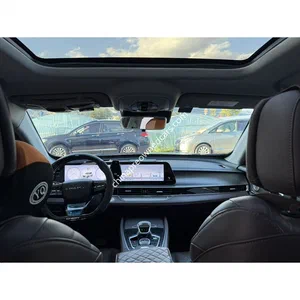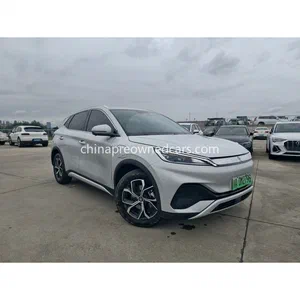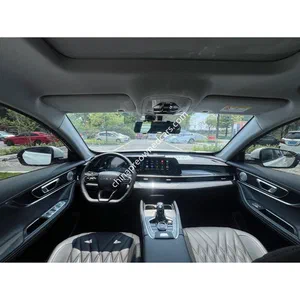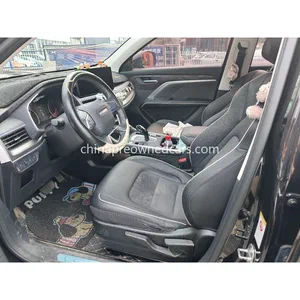
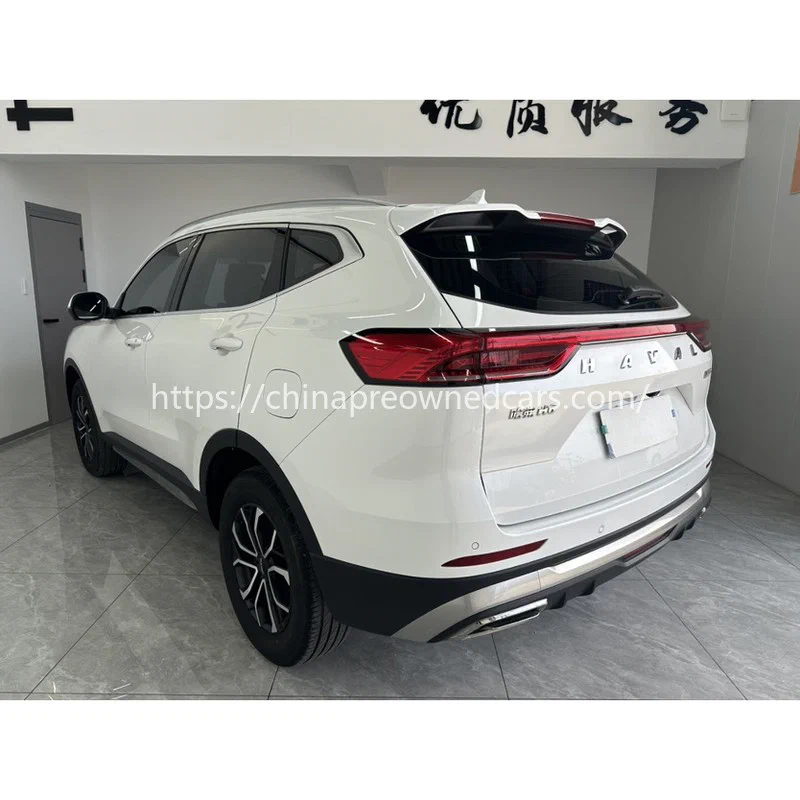
Exporting electric and hybrid vehicles involves several critical aspects, particularly concerning battery health and the associated logistics. Buyers should assess the battery state-of-health thoroughly, as it significantly impacts the vehicle’s performance and resale value. Various charging connector standards, such as GB/T, CCS, and CHAdeMO, are essential to consider based on the destination market’s infrastructure. For instance, while CCS is widely accepted in some regions, others may favor CHAdeMO or GB/T connections. The compatibility of these standards with local charging stations can greatly influence the practicality of an electric vehicle in a new market.
Transporting electric and hybrid vehicles also necessitates adherence to strict regulations regarding battery transport, which fall under the UN 3480 classification for dangerous goods. Understanding these regulations is vital for ensuring compliance during shipment and avoiding potential delays. Additionally, the destination country’s infrastructure for charging electric vehicles should be verified. Buyers need to assess the availability and efficiency of charging stations to ensure a seamless transition for the vehicle in its new environment.
Moreover, range and battery degradation play an essential role in determining the certified pre-owned car value. As batteries age, their capacity diminishes, which may affect the vehicle’s overall usability and marketability. Buyers should verify the battery’s health report, which should detail its current capacity and any previous maintenance or replacements. This information can provide insights into potential future performance issues and help buyers make informed decisions.
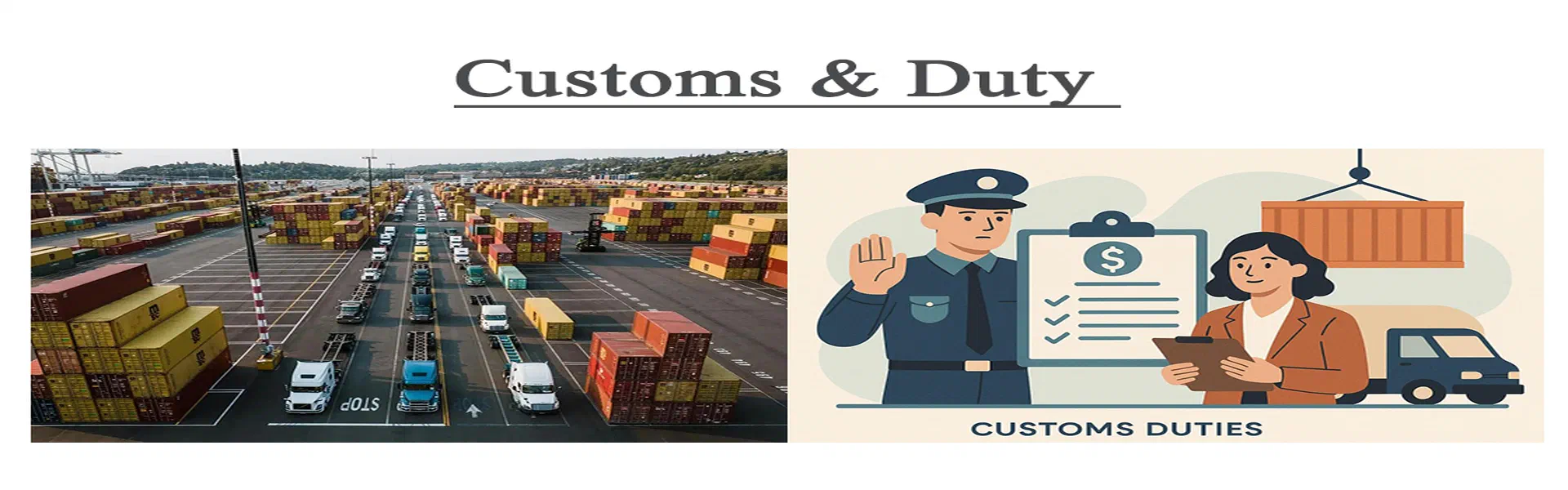
The customs clearance process for electric and hybrid vehicles requires specific documentation, including Form M, PAAR, and a certificate of origin. Duties are typically calculated on a Cost, Insurance, and Freight (CIF) basis, with penalties for older vehicles applied based on age restrictions set by destination markets. Disputes regarding vehicle valuation can arise during customs clearance, highlighting the importance of accurate documentation. Engaging a clearing agent can facilitate a smoother process by ensuring all paperwork is in order and addressing any potential delays that may arise.

FAQ
Q: What should I check regarding battery health before purchasing an electric vehicle for export?
A: Buyers should request a battery health report that outlines the battery’s current capacity and any history of maintenance or replacements.
Q: What documents are required for customs clearance of electric vehicles?
A: Required documents typically include Form M, PAAR, and a certificate of origin, along with other specific export documentation.