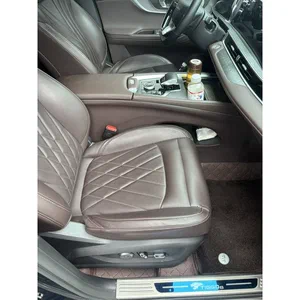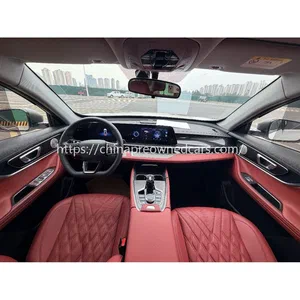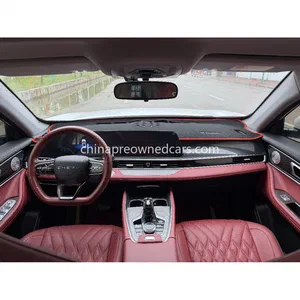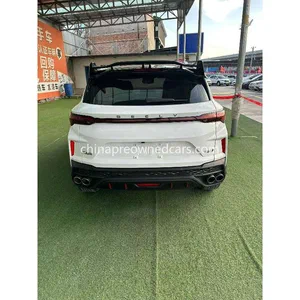
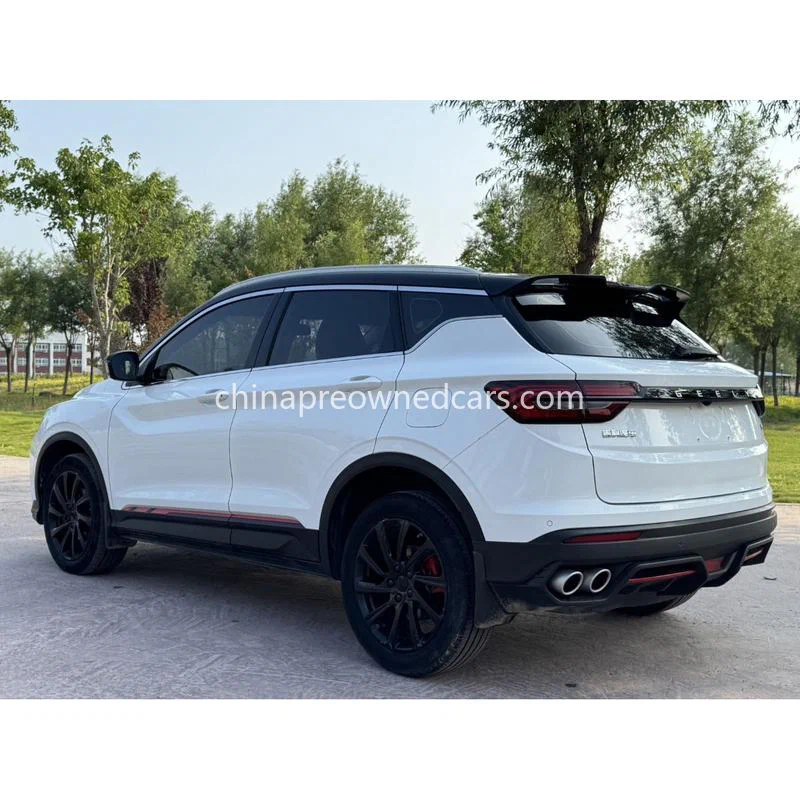
The Chery Tiggo 7 Plus and BYD Atto 3 represent two prominent choices in the growing market for electric and hybrid SUVs in China. Each vehicle offers distinct features and specifications that cater to various buyer preferences, especially for export to markets in Africa, such as Ghana and Nigeria. This comparison evaluates the two models based on powertrain performance, range, emission standards, and suitability for left-hand drive markets, along with necessary customs and duty considerations for importing these vehicles.
The powertrain differences between the Chery Tiggo 7 Plus and BYD Atto 3 are significant. The Tiggo 7 Plus is equipped with a turbocharged engine, providing a balance of power and efficiency, while the Atto 3 features an electric motor that offers immediate torque and reduced fuel consumption. The Tiggo 7 Plus may appeal more to customers looking for traditional combustion options, whereas the Atto 3 is targeted at those interested in electric vehicles, particularly appealing in regions with growing interest in sustainable transport solutions.
Range and fuel consumption are critical factors for buyers. The BYD Atto 3 boasts an electric range that can cover daily commuting needs with ease, which is often a selling point in urban areas. In contrast, the Chery Tiggo 7 Plus, with its fuel-efficient engine, provides flexibility for longer trips without the need for frequent refueling. For markets with developing charging infrastructure, the Tiggo 7 Plus could be a more practical choice if the electric vehicle charging facilities are limited.
Emission standards vary by market and can impact importability. The BYD Atto 3 aligns well with many countries’ growing emission regulations, making it a suitable option for environmentally conscious consumers. However, the Chery Tiggo 7 Plus may also meet various standards, depending on the specific version. Buyers should verify the latest emission requirements for their destination countries, as these standards frequently change based on local regulations.
Parts and service availability can affect long-term ownership satisfaction. The Chery brand has established a solid service network in various African markets, ensuring easier access to parts and maintenance. Conversely, BYD’s growing presence also promises expanding support, but the long-term availability of parts may vary by region. It is essential for buyers to assess the local service capabilities for each brand before making a purchase.

Understanding customs and duty procedures is essential for successful vehicle importation. Duty is typically calculated on a cost, insurance, and freight (CIF) basis, with additional considerations for vehicle age that may incur penalties. Required documentation includes a Form M, PAAR, and a certificate of origin. Engaging a clearing agent can facilitate the customs clearance process, although delays may arise from incomplete paperwork or valuation disputes over the vehicles. Exporters need to ensure that all documentation is accurate and complete to avoid unnecessary setbacks.
FAQ
Q: What are the key differences between the Chery Tiggo 7 Plus and BYD Atto 3?
A: The main differences lie in their powertrain options, with the Tiggo 7 Plus offering a combustion engine and the Atto 3 featuring an electric motor, affecting range and fuel consumption.
Q: How is duty calculated for importing vehicles?
A: Duty is calculated based on the cost, insurance, and freight (CIF) value of the vehicle, considering any age penalties as stipulated by the destination country’s regulations.
Q: What documents are required for vehicle importation?
A: Required documents typically include a Form M, PAAR, and a certificate of origin, which are essential for customs clearance.