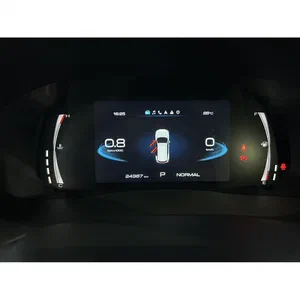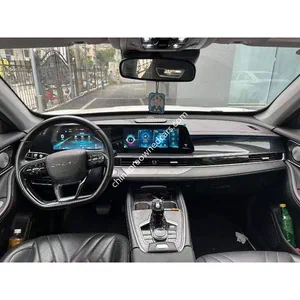
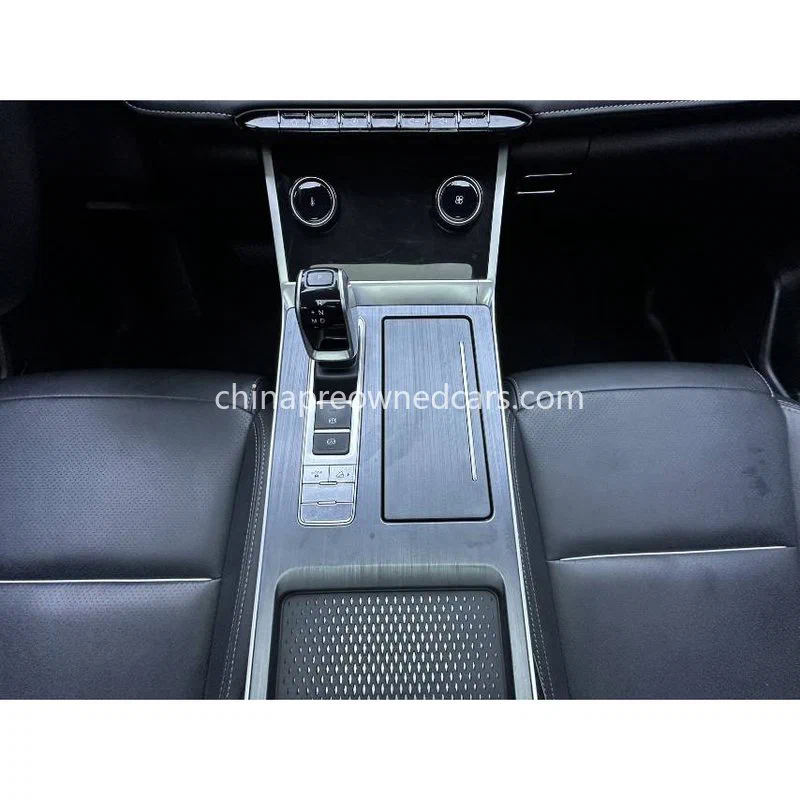
Electric and hybrid vehicles are increasingly becoming a focus in the used vehicle export market, particularly for affordable used car dealers catering to regions such as Africa, the Middle East, and South America. Specific considerations are essential when exporting these vehicles, including battery state-of-health assessments, charging connector standards, and compliance with local import regulations. Understanding these factors is crucial for ensuring successful transactions and customer satisfaction.
Battery state-of-health is a key determinant of an electric vehicle’s resale value. Exporters should verify the battery’s capacity and degradation levels through diagnostic tools. Different markets accept specific charging connector standards, such as GB/T, CCS, and CHAdeMO. Exporters must ensure that the vehicles conform to the charging infrastructure available in the destination country. This includes confirming that the charging types are compatible with local charging stations to prevent usability issues for end customers.
Transport regulations for batteries also play a significant role in the export process. Vehicles must comply with UN 3480 transport regulations, which classify lithium batteries as dangerous goods. Exporters should ensure that proper packaging and labeling are adhered to, as these are crucial for avoiding delays at customs. Additionally, potential buyers should be informed about the logistics associated with battery transport, including necessary documentation and compliance checks.
When exporting electric and hybrid vehicles, customs and duty procedures must be understood thoroughly. Duty calculations are often based on the CIF (Cost, Insurance, and Freight) value, and penalties may apply for older vehicles due to age limits set by the importing country. Required documentation typically includes Form M, the PAAR (Pre-Arrival Assessment Report), and a certificate of origin. Disputes may arise regarding vehicle valuation, necessitating a clear understanding of how to substantiate the vehicle’s worth during customs clearance.
Furthermore, clearing agents play a vital role in facilitating the customs process. They handle the paperwork and ensure compliance with local regulations, which can be complex and vary by country. Delays in shipments can occur if documentation is incorrect or incomplete, emphasizing the importance of meticulous preparation. Exporters should work closely with clearing agents to streamline the process, thus minimizing potential obstacles.

Practical guidance for buyers sourcing electric vehicles includes verifying the vehicle’s condition, particularly the battery health and overall functionality. Buyers should also consider the payment terms, which can vary significantly depending on the seller’s policies and the buyer’s location. Shipping lead times are another factor to keep in mind, as they can range typically from 15 to 25 days, depending on the chosen shipping method—either RoRo or container shipping.
FAQ
Q: What should I verify before purchasing an electric vehicle for export?
A: Buyers should check the battery state-of-health, vehicle condition, and ensure compliance with local regulations related to charging standards and emissions.
Q: How is customs duty calculated for imported electric vehicles?
A: Customs duty is generally calculated based on the CIF value, and vehicles may incur additional penalties based on their age and compliance with local import regulations.