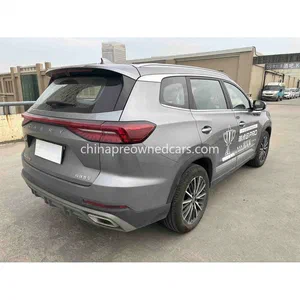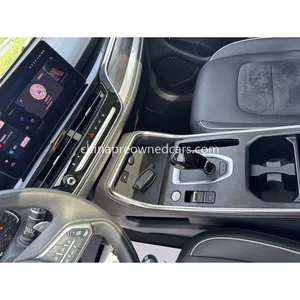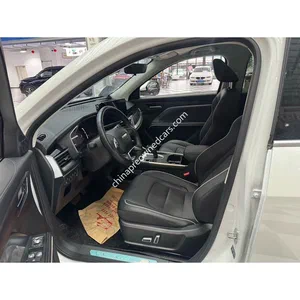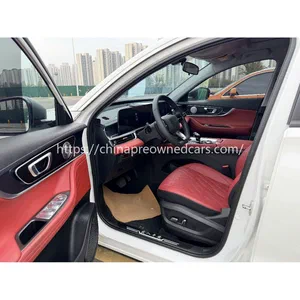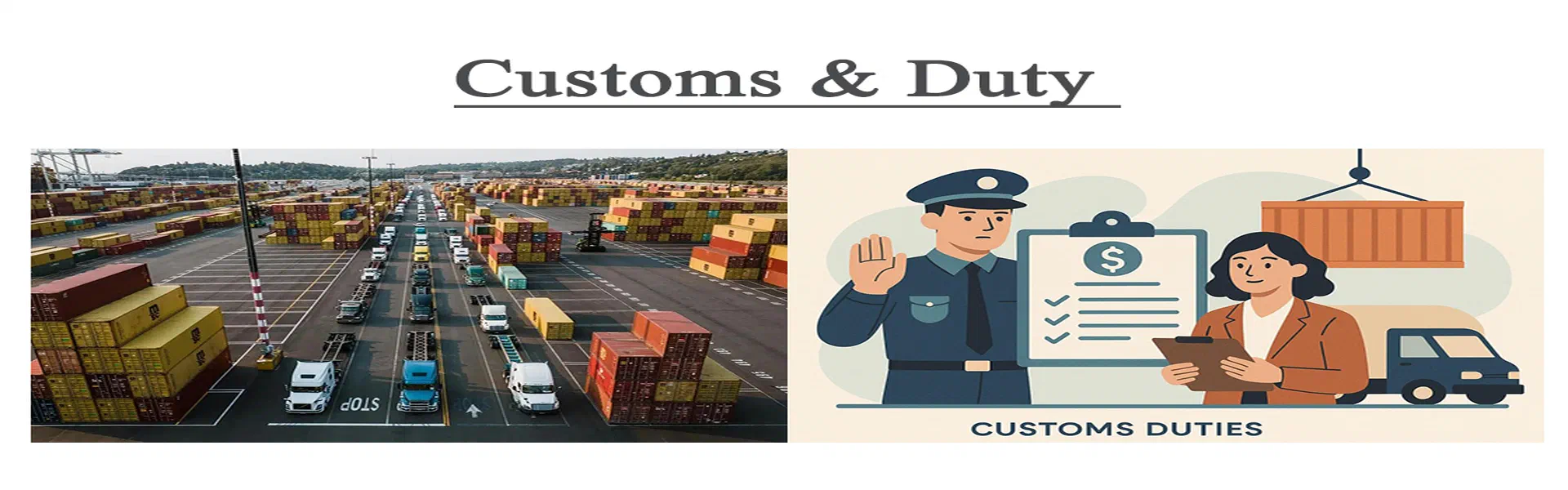
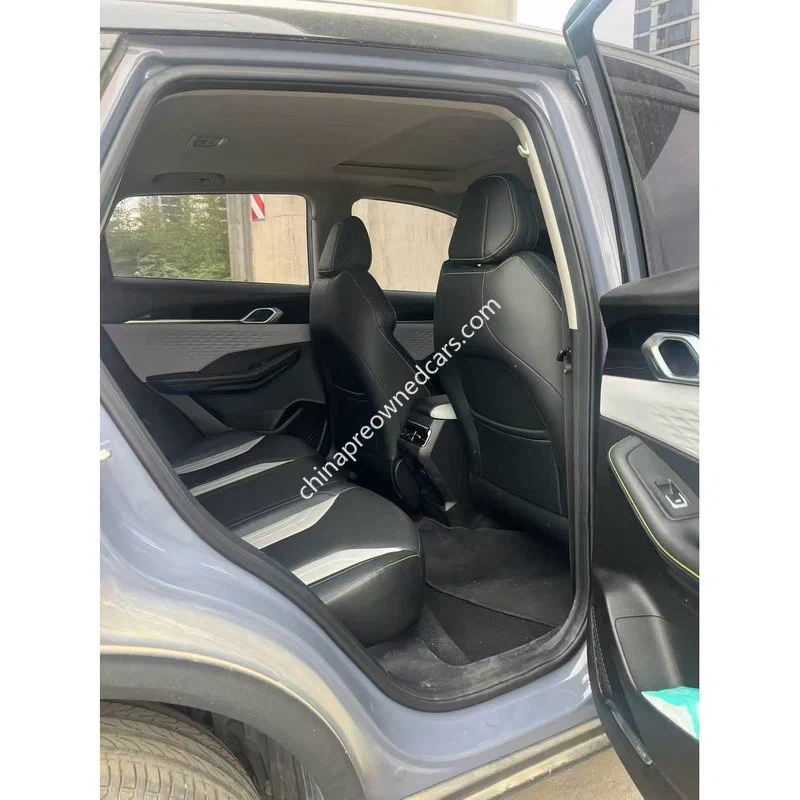
The export process for used vehicles, particularly in the context of Chinese-brand electric and hybrid SUVs, involves several critical steps that ensure compliance with international trade regulations. Each vehicle undergoes a thorough pre-shipment inspection, which includes checks on mechanical and electrical systems, body condition, and overall functionality. Certification of these inspections is essential for smooth customs clearance.
Export documentation plays a vital role in the process. Key documents include the customs declaration, which details the vehicle’s specifications and value, the bill of lading that serves as a receipt for the shipping company, and a certificate of origin that confirms the vehicle’s manufacturing details. These documents must be meticulously prepared to avoid delays during customs processing.
Shipping methods vary, with RoRo (Roll-on/Roll-off) and container shipping being the two primary options. RoRo is generally more cost-effective and suitable for vehicles that do not require additional protection. Conversely, container shipping offers better security against damage but comes at a higher cost. The choice of method can depend on the vehicle’s condition and the destination market’s regulations.
Once the vehicles arrive at the destination port, they must be handled according to local customs laws. Duties are typically calculated on a CIF (Cost, Insurance, and Freight) basis, and different countries impose various penalties based on vehicle age and emission standards. Required documents at this stage often include Form M, PAAR, and the certificate of origin. Valuation disputes can arise, making the role of a clearing agent crucial for navigating the complexities of local regulations and ensuring timely processing.

Lead times for shipping can vary significantly based on the chosen method and destination. While RoRo shipments may take around 15-25 days, container shipping can extend the timeline due to additional handling. Buyers should also verify vehicle condition and documentation thoroughly before making a purchase, as these factors directly impact the ease of the export process.
FAQ
Q: What is the role of pre-shipment inspection in the export process?
A: Pre-shipment inspection ensures that the vehicle meets safety and functionality standards, and it provides necessary certification for customs clearance.
Q: How are duties calculated for imported vehicles?
A: Duties are calculated based on the CIF value and can differ depending on the vehicle’s age and local emission standards.
Q: What shipping methods are available for exporting vehicles?
A: The main shipping methods are RoRo, which is cost-effective, and container shipping, which offers better protection but at a higher cost.