The BYD Atto 3 is a battery-electric SUV, so its suitability for export depends on more than its advertised driving range. Buyers in Ghana, Nigeria, Kenya, Uganda and Tanzania need to assess battery condition, charging access, vehicle configuration and the customs cost of importing a used electric vehicle. The customs calculation can materially change the landed cost, particularly when the declared value or vehicle classification is disputed.
BYD Atto 3 specifications and export suitability
The Atto 3 uses BYD’s Blade Battery technology and an electric front-wheel-drive powertrain. Battery capacity, motor output and rated range vary by model year and market specification. Common versions use a battery capacity of approximately 49.9 kWh or 60.5 kWh, with published driving ranges depending on the testing cycle. These figures should not be treated as a guaranteed distance in African operating conditions. Air-conditioning use, road gradients, traffic, vehicle load, battery ageing and driving speed all affect actual range. Unlike the Chery Tiggo 7 Plus, Chery Tiggo 8 Pro, Geely Coolray and Haval H6 in the exporter’s wider inventory, the Atto 3 has no petrol engine and produces no tailpipe emissions during driving. It is not a hybrid. Buyers should also distinguish between the vehicle’s rated range and the remaining usable battery capacity of an individual used unit.
The Atto 3’s ground clearance is approximately 150 mm when laden, which deserves attention for buyers operating on uneven roads, damaged urban streets or unpaved access routes. Its front-wheel-drive layout is suited to ordinary road use, but it is not an off-road vehicle. Charging infrastructure is another deciding factor. Buyers should check the availability of compatible AC and DC charging equipment near their intended operating areas, including connector compatibility and electricity reliability. A home or workplace charging arrangement can make ownership more practical where public charging coverage remains limited. The vehicle’s LFP battery chemistry is a relevant feature, but it does not remove the need for an independent battery assessment. The best rated second hand cars are not necessarily the vehicles with the highest advertised specifications; documented condition and local operating requirements matter more.
Used condition assessment and customs valuation

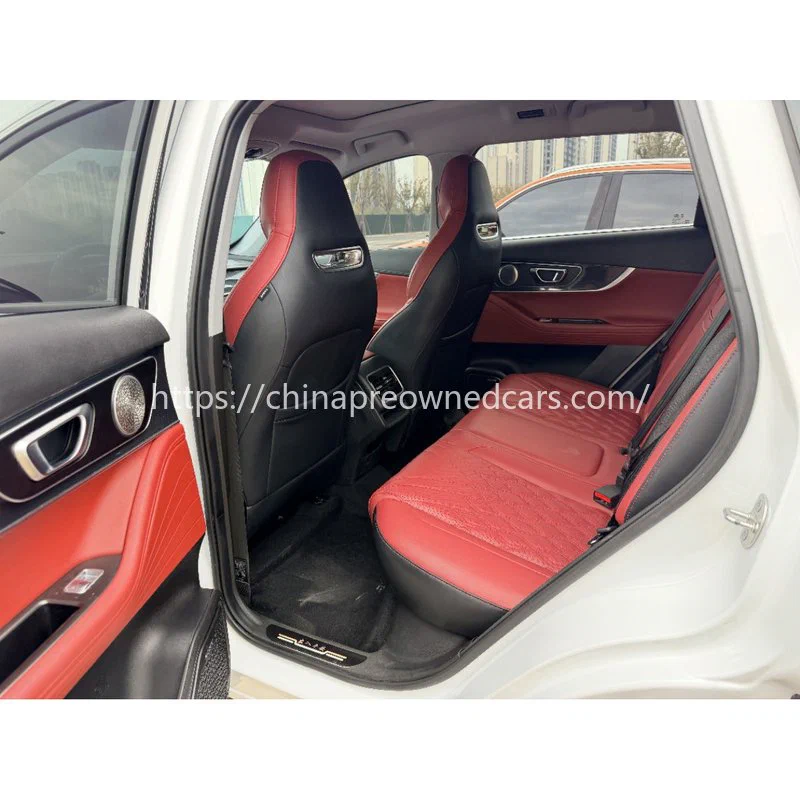
A used Atto 3 should be assessed in several separate areas before its export value is agreed. A condition grade can describe the exterior, interior, mechanical components and electrical systems, but the grading method should be defined by the exporter rather than assumed to be a universal industry standard. Buyers should request photographs of body panels, underbody components, tyres and interior fittings, alongside an inspection report covering accident repairs, water exposure and warning lights. The battery requires particular attention. Request a battery state-of-health report where available, diagnostic fault records, charging tests and information about previous battery repairs. A vehicle with acceptable cosmetic wear may still have a battery or electronic fault that affects its suitability. VIN verification should also establish the manufacturing year, original configuration and available ownership history. These details matter because customs authorities may assess a vehicle using their own valuation references rather than accepting the commercial invoice without review.
Customs duty is generally calculated using the customs value, commonly based on cost, insurance and freight (CIF), although the precise valuation method and applicable charges depend on the destination’s legislation. The invoice price, freight cost and insurance documentation therefore need to be consistent. Customs may question an unusually low declared value and request supporting evidence, potentially delaying assessment. Vehicle age can also affect eligibility or valuation. Some markets apply age-related restrictions or additional valuation adjustments, while others prohibit vehicles outside their permitted age range. Buyers should not assume that paying an age penalty will make an otherwise prohibited vehicle eligible for import. In Nigeria, the import process includes Form M registration and a Pre-Arrival Assessment Report (PAAR), supported by documents such as the commercial invoice, bill of lading, packing list and certificate of origin. These are Nigerian procedures, not universal requirements for every African destination.
Import documentation and destination checks
A clearing agent plays an important role in confirming tariff classification, submitting declarations and responding to customs valuation queries. For an electric SUV, the vehicle’s classification as a vehicle propelled solely by an electric motor must be checked rather than automatically applying a petrol or hybrid tariff category. The agent should also confirm whether destination-specific taxes, levies, inspection fees or additional documentation apply. The export file generally needs a commercial invoice, vehicle identification details, export customs declaration, certificate of origin, inspection records and shipping documentation. The exact document set varies. For Kenya, official import guidance specifies right-hand-drive vehicles, a roadworthiness inspection and an age-related eligibility requirement. This creates a significant issue for buyers considering the Atto 3: most vehicles sourced from China’s domestic market are left-hand drive. A standard Chinese-market LHD unit should not be purchased for Kenyan registration without written confirmation that it qualifies under the current rules. Ghana, Nigeria, Uganda and Tanzania also require destination-specific checks covering steering position, vehicle age, emissions where applicable and import eligibility.
Shipping arrangements should be agreed only after the buyer and clearing agent have confirmed that the vehicle can be imported and registered. RoRo shipping is generally suitable for operable vehicles that meet the carrier’s acceptance conditions, while container shipping provides enclosed transport and may suit buyers who require additional protection or are consolidating cargo. Electric vehicles require advance confirmation of carrier acceptance and battery-related transport documentation. Exporters must also complete China’s applicable export licensing, customs declaration and pre-shipment inspection procedures. Delays can arise from incomplete Form M or PAAR information, inconsistent VIN details, disputed customs values, missing certificates, inspection failures or port congestion. Before payment, buyers should establish which party handles export clearance, destination documentation, freight, insurance and local port charges. A written agreement should identify the inspection scope and explain how discrepancies are handled. Shipping estimates should be treated as planning guidance, not guaranteed arrival dates. For an Atto 3 destined for an African market, customs eligibility and battery condition should be resolved before freight is booked.
FAQ
Q: Is the BYD Atto 3 suitable for African roads?
A: Its front-wheel-drive configuration and SUV ground clearance suit ordinary urban and suburban use. Buyers should assess road conditions, ground clearance and access to charging facilities before purchasing.
Q: How is customs duty calculated when importing a used BYD Atto 3?
A: Customs generally considers the vehicle’s CIF value, tariff classification and applicable destination taxes. Age restrictions and additional charges vary by country, so the final assessment should be checked with a licensed clearing agent.
Q: Can a left-hand-drive BYD Atto 3 be imported into Kenya?
A: Kenya’s published import guidance requires right-hand-drive vehicles. Buyers should obtain confirmation of current eligibility before purchasing a Chinese-market left-hand-drive Atto 3.