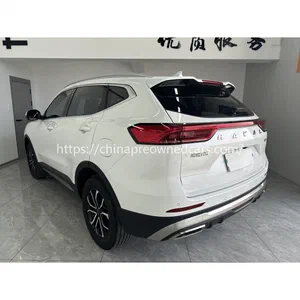

The export journey of used vehicles from China involves several critical stages, including pre-shipment inspection, export documentation, shipping methods, and customs clearance. This process ensures that vehicles meet the necessary standards before they reach their new owners in regions such as Africa, the Middle East, and South America. It is essential for buyers to understand these steps to ensure a smooth transaction and compliance with local regulations.
Pre-Shipment Inspection and Export Documentation
Before a vehicle is shipped, it undergoes a thorough pre-shipment inspection. This inspection typically covers several aspects, including the vehicle’s mechanical condition, exterior and interior quality, and emission standards. A report is generated, which may be required for customs clearance. Essential documentation includes the customs declaration, bill of lading, and certificate of origin. Buyers should verify that these documents are in order to avoid delays at the destination port.
Shipping Methods: RoRo vs Container

Vehicles can be shipped using two primary methods: Roll-on/Roll-off (RoRo) and container shipping. RoRo is often the more cost-effective option, allowing vehicles to be driven onto the ship, making loading and unloading straightforward. However, it does expose vehicles to the elements during transit, which can increase the risk of damage. Container shipping, while generally more expensive, offers additional protection from environmental factors, making it a preferred choice for high-value vehicles or those requiring extra care. Buyers should weigh the trade-offs between cost and risk based on their specific needs.
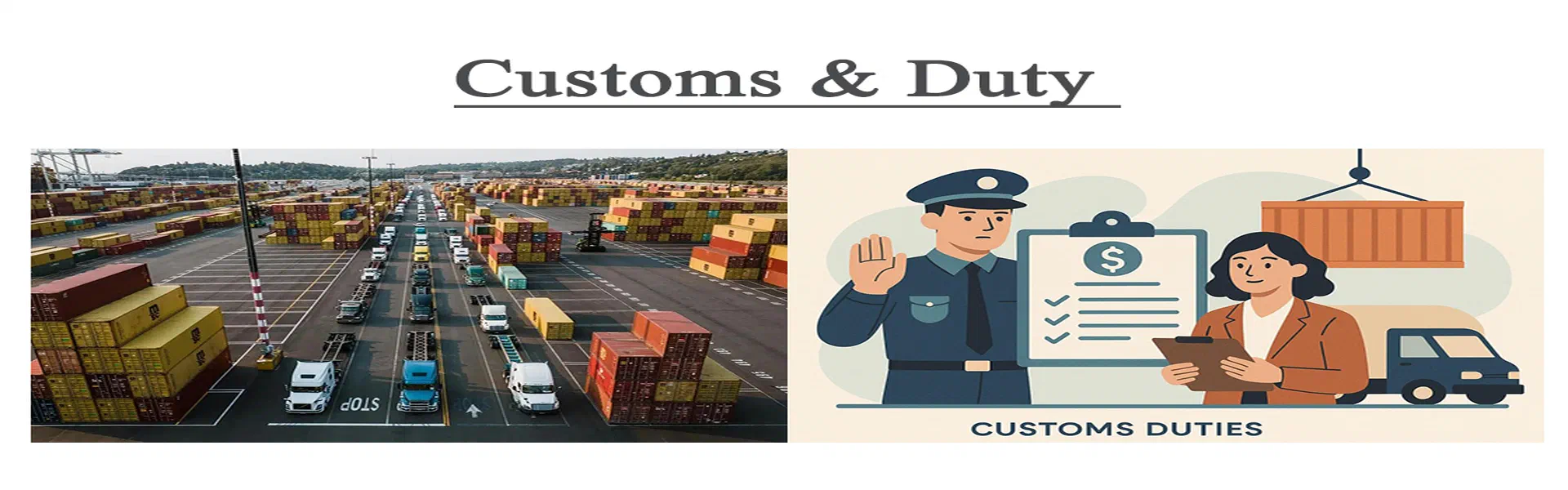
Customs Clearance and Duty Calculation
Upon arrival at the destination port, the customs clearance process begins. Duties are usually calculated on a Cost, Insurance, and Freight (CIF) basis. Potential age penalties may apply, depending on local regulations. Required documents for customs clearance typically include Form M, Pre-Arrival Assessment Report (PAAR), and the certificate of origin. Disputes over vehicle valuation can lead to delays, emphasizing the importance of accurate documentation. Engaging a reliable clearing agent can facilitate this process, helping to navigate local import regulations.
FAQ
Q: What should I check before purchasing a used vehicle for export?
A: Buyers should verify the vehicle’s condition, inspection reports, and all necessary documentation to ensure compliance with import regulations.
Q: How long does the shipping process usually take?
A: Shipping lead times can vary but typically range from 15 to 25 days, depending on the chosen method and destination.