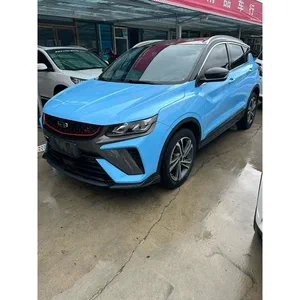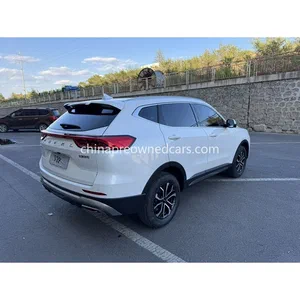
The Haval H6 stands out as a reliable choice for export markets, particularly in regions like Africa. This model showcases a blend of performance, comfort, and practicality that aligns with the needs of buyers in countries such as Ghana, Nigeria, Kenya, Uganda, and Tanzania. With its left-hand drive configuration, the H6 is well-suited to these markets, where road conditions and service availability are crucial considerations.
The Haval H6 is equipped with a turbocharged engine, delivering a power output that typically ranges around 150 to 200 horsepower, depending on the variant. Fuel efficiency is a strong point for this SUV, often achieving approximately 30 miles per gallon on highways, making it an economical option for both urban and rural driving. The vehicle adheres to various emission standards, which is essential for compliance in different destination markets. Buyers should verify the specific emission standard applicable in their region, as these requirements can vary significantly.
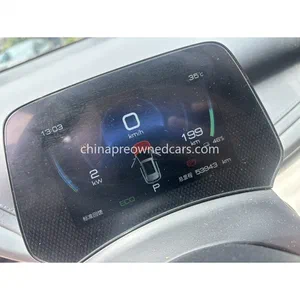
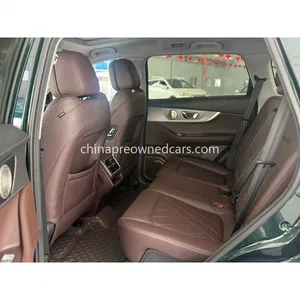
Condition grading is an important aspect when sourcing used Haval H6 units. Most vehicles come with a grading system that assesses various factors, such as exterior and interior condition, mechanical performance, and mileage. Typically, a grade of B or C indicates a vehicle in good working condition but may show signs of wear. Buyers should always request detailed inspection reports and vehicle history to assess the H6’s condition thoroughly.

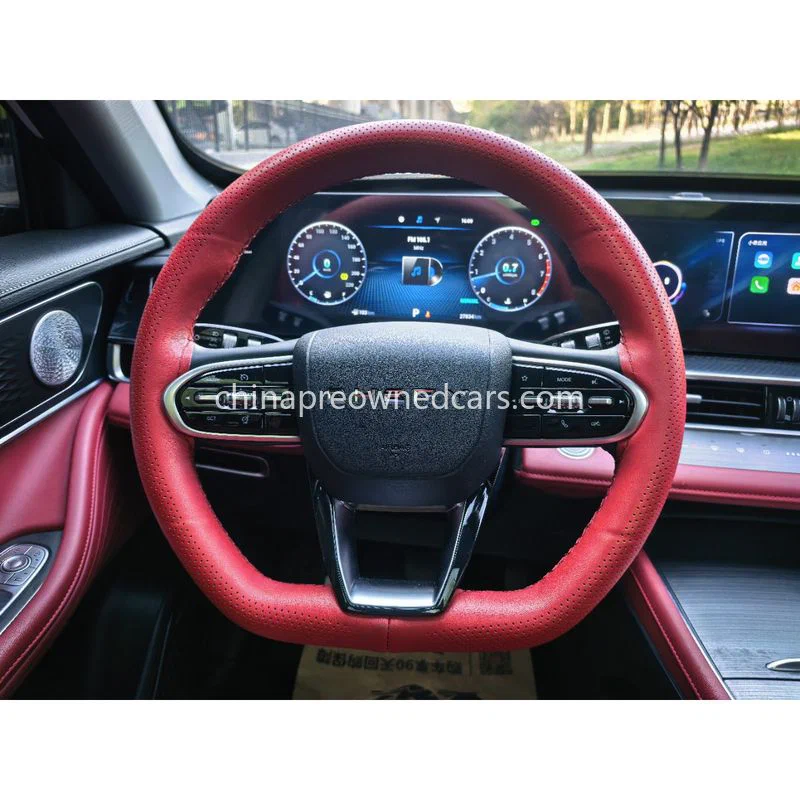
The Haval H6’s design and features make it practical for export markets. It includes spacious interiors, advanced safety features, and modern infotainment systems, which enhance the driving experience. Moreover, parts availability and a growing service network in Africa contribute to the model’s appeal. Buyers should consider local service options and the availability of spare parts when evaluating the H6 for purchase. This ensures that maintenance is manageable and cost-effective post-purchase.
Export procedures for the Haval H6 involve several steps, including pre-shipment inspections, customs clearance, and documentation. Vehicles are typically shipped either by RoRo (Roll-on/Roll-off) or in containers, depending on the logistics and buyer preferences. Required documents include a Form M for customs, a PAAR (Pre-Arrival Assessment Report), and a certificate of origin, among others. Engaging a reliable clearing agent can facilitate a smoother customs process, as delays often occur due to incomplete or incorrect documentation.
When considering the purchase of a used Haval H6, buyers should verify several key aspects. These include the vehicle’s mileage, service records, and the completeness of its documentation. Payment terms can vary, so understanding the seller’s policies is essential for a smooth transaction. Shipping lead times are generally around 15 to 25 days, depending on the chosen shipping method and the destination port. After-sales support is another critical factor; buyers should inquire about warranty options and available service agreements to ensure continued satisfaction after the purchase.
FAQ
Q: What documents are required for importing a Haval H6?
A: Required documents typically include a Form M, PAAR, and a certificate of origin.
Q: How is customs duty calculated for the Haval H6?
A: Customs duty is usually calculated on a CIF (Cost, Insurance, and Freight) basis, and penalties may apply for older vehicles.
Q: What should I verify before purchasing a used Haval H6?
A: Buyers should verify the vehicle’s condition, mileage, service history, and completeness of documentation.