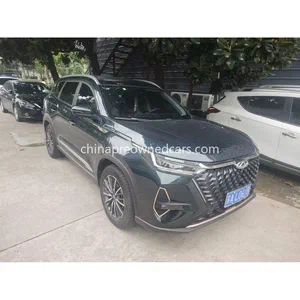

The export process for second-hand vehicles from China involves several critical steps, ensuring compliance with international regulations and destination market requirements. This article outlines the workflow, including pre-shipment inspection, export documentation, shipping methods, and customs procedures relevant to buyers in Africa and other markets.
Pre-shipment inspection is a vital part of the export process. This inspection assesses the vehicle’s condition, including its mechanical systems, bodywork, and interior. Key checks typically include verifying the odometer reading, battery health for electric vehicles, and ensuring the vehicle meets destination emission standards. A certificate of inspection is usually required to confirm that the vehicle is roadworthy and complies with both Chinese export regulations and the standards of the importing country.
Export documentation is another crucial aspect of the process. Buyers must ensure that all necessary documents are prepared accurately to facilitate customs clearance. Essential documents include the customs declaration, bill of lading, and certificate of origin. The customs declaration provides detailed information about the vehicle, while the bill of lading serves as a contract between the shipper and carrier. Additionally, the certificate of origin verifies the vehicle’s manufacturing origin, which may be required by the destination country’s customs authorities.
Shipping methods also play a significant role in the export process. Vehicles may be shipped using either Roll-on/Roll-off (RoRo) or container shipping. RoRo is typically less expensive and involves driving the vehicle onto the ship, while container shipping offers greater protection from damage during transit. Each method has its pros and cons, with RoRo generally being faster but potentially exposing the vehicle to weather and handling risks. Buyers should assess their priorities regarding cost, transit time, and vehicle safety when choosing a shipping method.
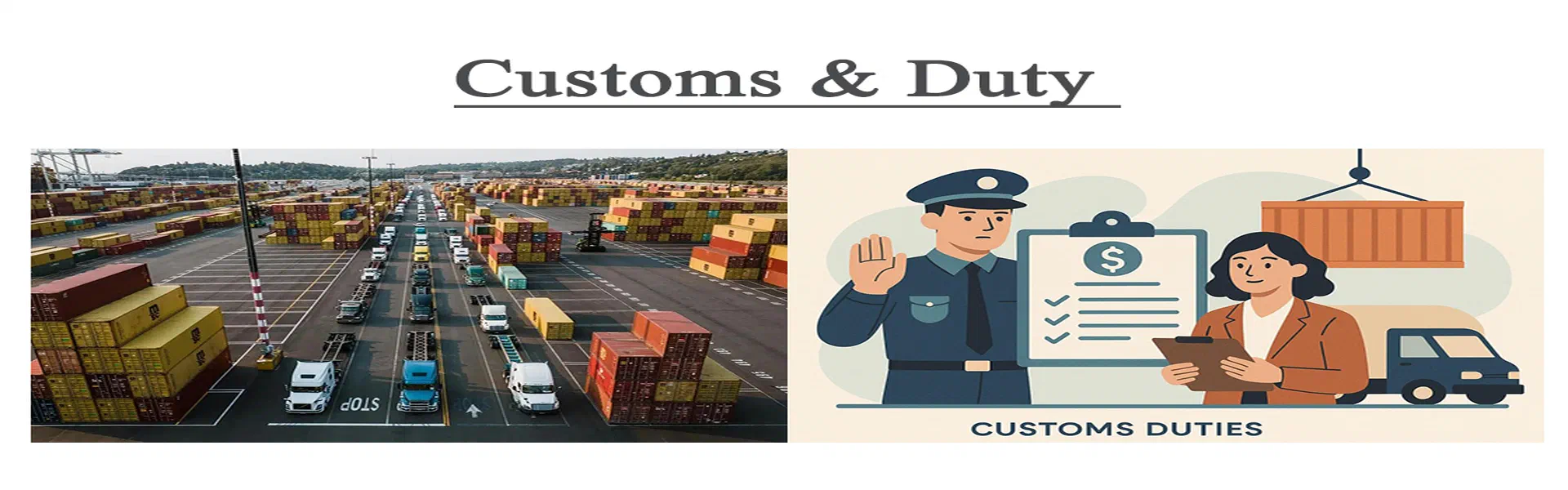
Customs clearance is a critical stage that can delay shipments if not handled correctly. Duty calculations are typically based on the Cost, Insurance, and Freight (CIF) value of the vehicle. Import regulations may impose penalties based on the age of the vehicle, affecting the overall cost. Buyers should familiarize themselves with required documents such as Form M and the Pre-Arrival Assessment Report (PAAR), which can be critical for ensuring smooth customs processing. Engaging a reputable clearing agent can help navigate the complexities of customs requirements and expedite the clearance process.

Typical lead times for the entire export process can vary significantly depending on the method of shipping and the efficiency of customs clearance. Generally, the complete process from vehicle inspection to arrival at the destination port can take several weeks, often ranging from 15 to 25 days. Buyers should plan accordingly, factoring in potential delays due to documentation issues or customs inspections.
Finally, practical guidance for buyers includes verifying the vehicle’s condition and history before purchase. This may involve requesting detailed inspection reports and ensuring that all documentation is in order. Payment terms can vary, so it is advisable to discuss these early in the negotiation process. Buyers should also consider after-sales support, as reliable communication with the exporter can facilitate any post-purchase issues.
FAQ
Q: What is the role of pre-shipment inspection in vehicle export?
A: Pre-shipment inspection verifies the vehicle’s condition and compliance with export and destination market standards, ensuring it is roadworthy.
Q: How is customs duty calculated for imported vehicles?
A: Customs duty is usually calculated based on the CIF value, and additional penalties may apply depending on the vehicle’s age and local import regulations.