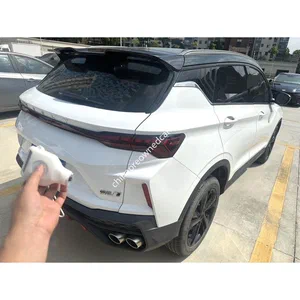
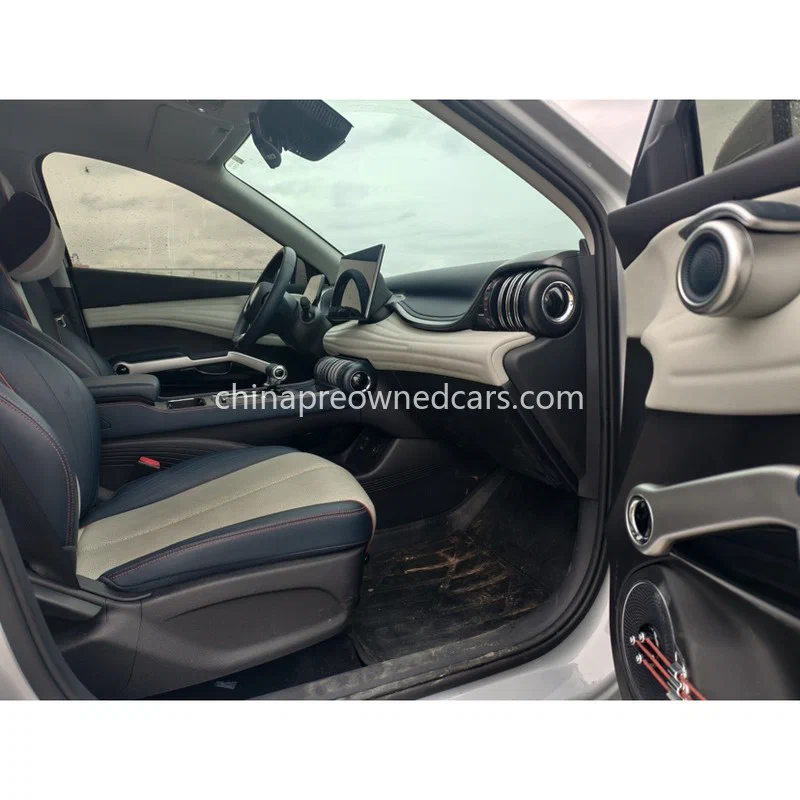
Understanding the vehicle pricing trends in West Africa requires an examination of market demands and regulatory frameworks that affect used vehicle imports. This region, particularly countries like Ghana, Nigeria, Kenya, Uganda, and Tanzania, has specific requirements regarding vehicle specifications, age limits, and emissions standards that potential buyers should be aware of. These factors significantly influence the pricing and suitability of models such as the BYD Atto 3, Chery Tiggo 7 Plus, and Haval H6.
Most vehicles in the current inventory are left-hand drive (LHD), which aligns with the driving norms in West Africa. However, buyers must confirm local regulations concerning age limits and emission standards, which can vary widely by country. For example, while some markets may impose restrictions on the age of vehicles that can be imported, others may prioritize emissions compliance due to increasing environmental concerns. It is essential for buyers to conduct thorough used car price research to ensure they select models that meet these requirements, as non-compliance can result in additional costs or shipment delays.
The export process involves several steps, including pre-shipment inspection, customs clearance, and documentation. Key documents typically required for import include Form M, the PAAR (Pre-Arrival Assessment Report), and a certificate of origin. Duty calculation is usually based on the cost, insurance, and freight (CIF) value of the vehicle, and age penalties may apply depending on the specific regulations in the destination country. Engaging a reliable clearing agent can facilitate smoother customs processes, but delays may occur due to incomplete documentation or valuation disputes.
Buyers should prioritize verifying the condition of vehicles, including battery health for electric models, and ensuring all necessary documentation is complete before purchase. Payment terms often require upfront deposits, and shipping lead times can vary; typically, expect a range of 15 to 25 days for delivery via RoRo (Roll-on/Roll-off) or container shipping. After-sales support is another critical consideration, especially for vehicles like electric SUVs, where battery management and servicing may be required post-purchase.

FAQ
Q: What should I check before purchasing a used vehicle for export?
A: Buyers should verify the vehicle’s condition, documentation, and compliance with local import regulations.
Q: How is duty calculated for imported vehicles?
A: Duty is usually calculated on a CIF basis, and age penalties may apply depending on the vehicle’s age and the destination country’s regulations.