Battery state of health should be assessed before a used electric vehicle is purchased for export, because it affects the vehicle’s usable range, resale value and import valuation. For buyers sourcing Chinese electric and hybrid SUVs for Ghana, Nigeria, Kenya, Uganda and Tanzania, the assessment also needs to cover charging compatibility, dangerous goods requirements and customs documentation. A battery report is useful, but it must be considered alongside the vehicle’s identity, service records and intended destination.
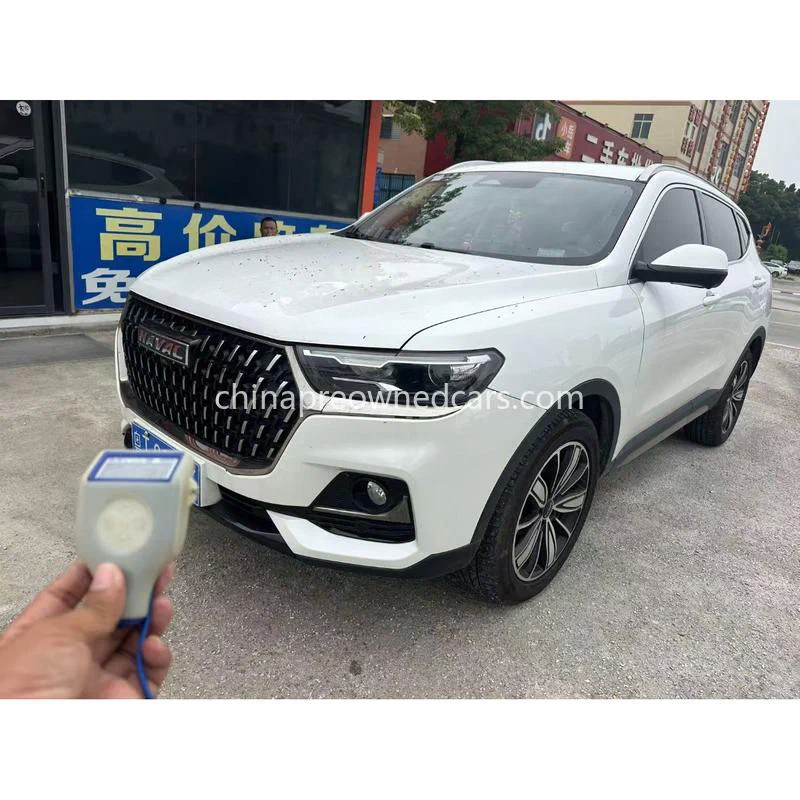
Battery state of health (SOH) describes the battery’s remaining capacity relative to its original usable capacity. It is different from the dashboard’s estimated driving range, which changes with temperature, driving conditions, speed and recent energy consumption. Before agreeing to purchase, buyers should request a diagnostic report showing SOH, battery voltage information, cell voltage differences, fault codes and available charging history. The report should identify the test date, diagnostic method and vehicle VIN. A screenshot showing a single percentage is insufficient evidence of battery condition. For Chinese models such as the BYD Atto 3, the assessment should also identify the battery type and relevant manufacturer specifications. Where possible, an independent technician should repeat the diagnostic test and conduct a controlled charging and driving assessment. This is particularly important when considering vehicles with unclear service histories or long periods of storage. Questions to ask dealership when buying a used car should include whether the battery has been repaired or replaced, whether individual modules have been changed, and whether the vehicle has recorded charging-related faults. Buyers should also establish whether any remaining battery warranty can be transferred internationally. Warranty coverage in China should not automatically be treated as valid in an overseas market.

Battery condition also affects customs valuation and the commercial case for importing an EV. Customs authorities commonly calculate import duties and related charges using a customs value based on CIF: cost, insurance and freight to the destination port. The applicable tax base and adjustments depend on national customs legislation. A vehicle’s purchase invoice, shipping documents and insurance value therefore need to be consistent. Where an importing authority questions the declared value, it may request payment evidence, comparable vehicle information, auction records or an independent valuation. A battery with substantial degradation can reduce a vehicle’s market value, but a buyer should not assume that declaring a lower battery capacity automatically reduces the customs value accepted by the authority. Age-related penalties, where applicable, may also affect the final assessment. Their calculation differs by country and should be checked against current regulations. For Nigerian imports, buyers should establish the applicable Form M and Pre-Arrival Assessment Report (PAAR) requirements before shipment. Form M is part of the import documentation process, while PAAR supports the assessment of goods before arrival. The clearing agent should confirm the current procedure with the relevant authorities and the buyer’s authorised bank. A certificate of origin may also be required to establish where the vehicle was manufactured. The commercial invoice, packing list where applicable, bill of lading, export declaration and vehicle identification details should agree. Differences in declared value, VIN, model description or freight charges can trigger additional checks and delay clearance.
Charging compatibility requires a separate technical review. Chinese domestic-market EVs commonly use GB/T charging connectors, while CCS and CHAdeMO are established alternatives in other vehicle markets. These standards are not interchangeable without suitable equipment and electrical compatibility. Buyers should confirm the exact AC and DC charging interfaces fitted to the individual vehicle, rather than relying on a model name or online specification. The BYD Atto 3, for example, may have different connector configurations depending on its market version. Destination infrastructure matters just as much. Ghana, Nigeria, Kenya, Uganda and Tanzania have differing levels of public charging provision, and access outside major urban areas may be limited. Before importing, buyers should identify the connector standards used by local charging operators, the availability of compatible home charging equipment and the electrical supply requirements for installation. Adapters should not be treated as a universal solution. Their suitability depends on connector design, communication protocols, charging power and manufacturer approval. A vehicle that charges successfully in China may not be practical for a buyer whose local charging network uses a different standard. Hybrid vehicles can offer an alternative where charging access is limited, but their high-voltage batteries still require diagnostic checks. Battery condition, charging speed and realistic driving range should all be reflected in the resale assessment.
Shipping introduces another set of requirements. Lithium-ion traction batteries are subject to dangerous goods transport rules, including the UN 3480 classification for lithium-ion batteries shipped separately and UN 3481 for batteries contained in or packed with equipment. A complete EV shipped with its installed traction battery is generally assessed under the applicable vehicle and dangerous goods provisions, rather than automatically treated as a shipment of standalone UN 3480 batteries. The shipping line and freight forwarder must confirm the correct classification, documentation, battery condition requirements and any restrictions applying to the chosen vessel or service. Damaged or defective batteries can face additional transport restrictions. Buyers should disclose battery faults before booking cargo space. RoRo shipping is commonly used for operable vehicles that can be driven on and off the vessel. Container shipping provides a different handling arrangement and may suit buyers who require enclosed transport or are consolidating cargo. Neither method removes the need for accurate dangerous goods declarations where applicable. China’s used vehicle export process also involves the required export licensing, customs declaration and pre-shipment inspection. The inspection should record the VIN, odometer reading, visible body condition, vehicle operation and relevant battery diagnostic findings. Buyers should request the inspection scope in writing. A general vehicle inspection does not necessarily include a detailed high-voltage battery assessment.
The final purchase decision should connect battery evidence with the destination’s import rules and expected resale market. Ghana, Nigeria, Kenya, Uganda and Tanzania each have their own requirements concerning vehicle age, emissions, roadworthiness, steering position and customs documentation. These rules can change, so an importer should obtain confirmation from a local clearing agent before paying the balance or authorising shipment. Most vehicles sourced from China’s domestic market are left-hand drive (LHD). This must be checked against the destination’s registration and import rules, particularly in markets where right-hand-drive vehicles are the norm. The buyer should also confirm whether the specific EV or hybrid configuration is eligible for registration. Before shipment, the commercial invoice, certificate of origin, export documents, inspection report and bill of lading should be checked against the VIN and declared specifications. Payment terms should link the transaction to verifiable milestones, such as completion of inspection and release of shipping documents. Buyers should retain diagnostic reports and photographs as part of the purchase record. For resale planning, projected range should be estimated conservatively using battery condition and local operating conditions, not the manufacturer’s original range figure. A vehicle with a lower purchase cost can become commercially unattractive if its connector is incompatible, its battery needs repair or customs clearance is delayed. These are import costs that should be evaluated before the vehicle leaves China.
FAQ
Q: Does battery state of health affect used EV import duty?
A: Battery SOH can influence a vehicle’s commercial market value, but customs authorities determine the accepted customs value under their applicable valuation rules. Buyers should retain diagnostic evidence and confirm the treatment of vehicle condition with a local clearing agent.
Q: Can a Chinese GB/T electric vehicle be imported into Ghana or Nigeria?
A: Compatibility depends on the vehicle’s exact connector configuration and the destination’s charging infrastructure. Buyers should verify local charging standards, adapter compatibility and current vehicle import requirements before shipment.