The landed cost of a used car for export is determined by more than its purchase price. Customs duty is calculated using the vehicle’s customs value, generally based on Cost, Insurance and Freight (CIF), while destination-country tariffs, taxes, vehicle age and applicable import restrictions can substantially change the final amount payable.
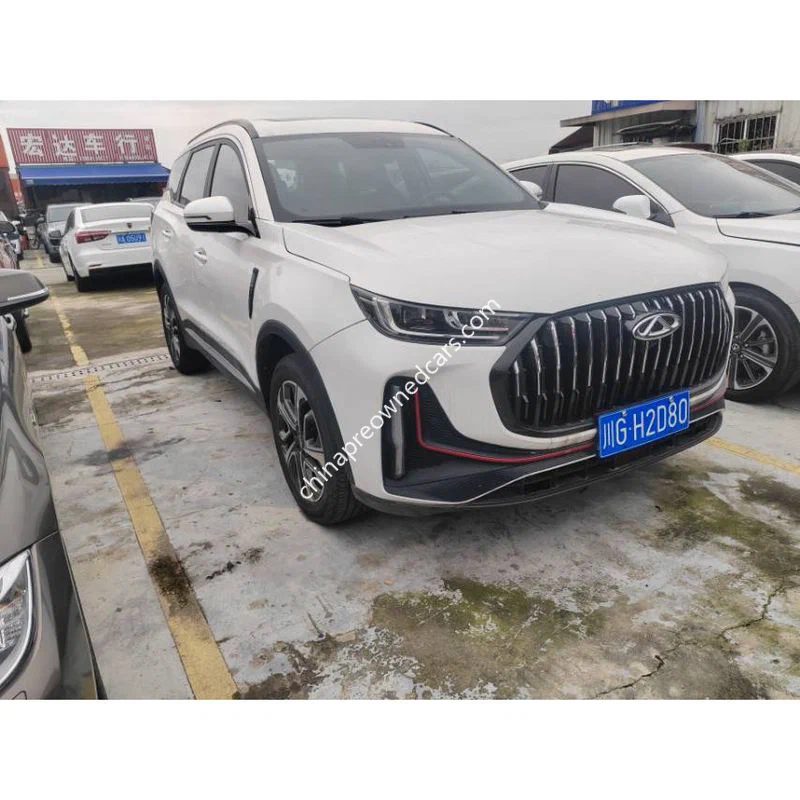
For buyers importing Chinese used vehicles into Ghana, Nigeria, Kenya, Uganda or Tanzania, the distinction between the vehicle price and its landed cost is important. CIF normally includes the vehicle’s purchase value, international freight and insurance up to the destination port. Customs authorities use this value as the starting point for assessing import duties and other applicable charges. The exact calculation depends on the destination country’s tariff classification and current tax regulations. Additional charges may include import duty, value-added tax, excise duty, levies and other statutory fees. These are not necessarily applied in the same way across all five markets. A buyer comparing a BYD Atto 3 with a Chery Tiggo 8 Pro, for example, should request a landed-cost estimate for each vehicle rather than comparing the export purchase prices alone. Differences in vehicle classification, propulsion type and customs valuation can affect the final calculation.

Vehicle age is another factor that can influence the amount payable or determine whether an import is permitted. Some destination markets apply age-related restrictions, additional charges or valuation adjustments to older vehicles. These provisions change over time and may depend on the vehicle category and applicable customs policy. Buyers should confirm the current requirements before paying a deposit or arranging shipment. Import regulations in Nigeria, for instance, involve specific procedures that should not be confused with those in Ghana, Kenya, Uganda or Tanzania. Nigerian importers generally need to arrange Form M through an authorised bank and obtain a Pre-Arrival Assessment Report (PAAR) through the applicable customs process. These documents support import processing and customs assessment; they are not substitutes for the vehicle’s export and shipping documents. Requirements in other markets differ. A certificate of origin may also be required to establish where a vehicle was manufactured, while the commercial invoice and bill of lading provide evidence of the transaction and shipment. Vehicle identification details must match across the paperwork. For Chinese-brand vehicles, the exporter should provide accurate model information, VIN details, manufacturing information where available and the relevant vehicle specifications. Left-hand-drive configuration should also be checked against destination-country import rules before shipment.
Customs valuation disputes can increase the cost and time involved in clearing a vehicle. Customs authorities are not necessarily required to accept the declared purchase price as the final assessable value. If an invoice appears inconsistent with comparable market values, vehicle specifications or available valuation references, officers may request supporting evidence or apply an alternative valuation method under local rules. Buyers should retain the purchase invoice, payment records, vehicle specifications and inspection findings to help explain the declared transaction value. A clearing agent familiar with vehicle imports in the destination country can review the paperwork, advise on applicable tariff classifications and calculate estimated duties before the shipment arrives. The agent also handles customs submissions, coordinates inspections where required and arranges payment of assessed charges. This is particularly important for used electric vehicles. A BYD Atto 3 may require additional technical information concerning its battery and propulsion system, while battery condition and transport documentation can affect shipping arrangements. RoRo shipping and container shipping have different handling and cost structures, but neither removes the need for correct customs documentation. The selected shipping method should be reflected in the freight and insurance figures used for the CIF estimate.
Several avoidable problems can delay clearance. Incomplete Form M information, missing PAAR documentation, inconsistent VIN records, incorrect vehicle descriptions and discrepancies between the commercial invoice and shipping documents can all trigger additional checks. A delayed customs declaration or outstanding duty payment may also prevent release of the vehicle. Pre-shipment inspection helps identify documentation and condition issues before export, although the inspection report does not guarantee customs acceptance or eliminate destination-country checks. Before confirming an order, buyers should request a breakdown separating the vehicle purchase price, export handling, inspection, freight, insurance and estimated destination charges. The exporter should clarify which costs are included in the quotation and which remain payable to the shipping company, port operator, customs authority or local clearing agent. It is also sensible to confirm the expected shipping schedule, required original documents, payment milestones and responsibility for port storage or demurrage if clearance takes longer than planned. At chinapreownedcars.com, export arrangements cover vehicle sourcing, pre-shipment inspection, documentation and shipping coordination. Buyers should provide their destination port and intended vehicle model early so that the relevant export paperwork and estimated shipping costs can be reviewed before shipment. Final duty calculations should always be confirmed with the destination country’s customs authority or an authorised local clearing agent.
FAQ
Q: Is customs duty calculated on the used car’s purchase price?
A: Not necessarily. Customs duty is generally assessed using the customs value, commonly based on CIF, which includes the vehicle value, freight and insurance.
Q: Do all African countries require Form M and PAAR?
A: No. Form M and PAAR are associated with Nigeria’s import procedures. Ghana, Kenya, Uganda and Tanzania have their own customs documentation and clearance requirements.
Q: Can an incorrect vehicle invoice delay customs clearance?
A: Yes. Differences between the declared value, vehicle specifications and supporting documents can trigger customs valuation checks and delay release.