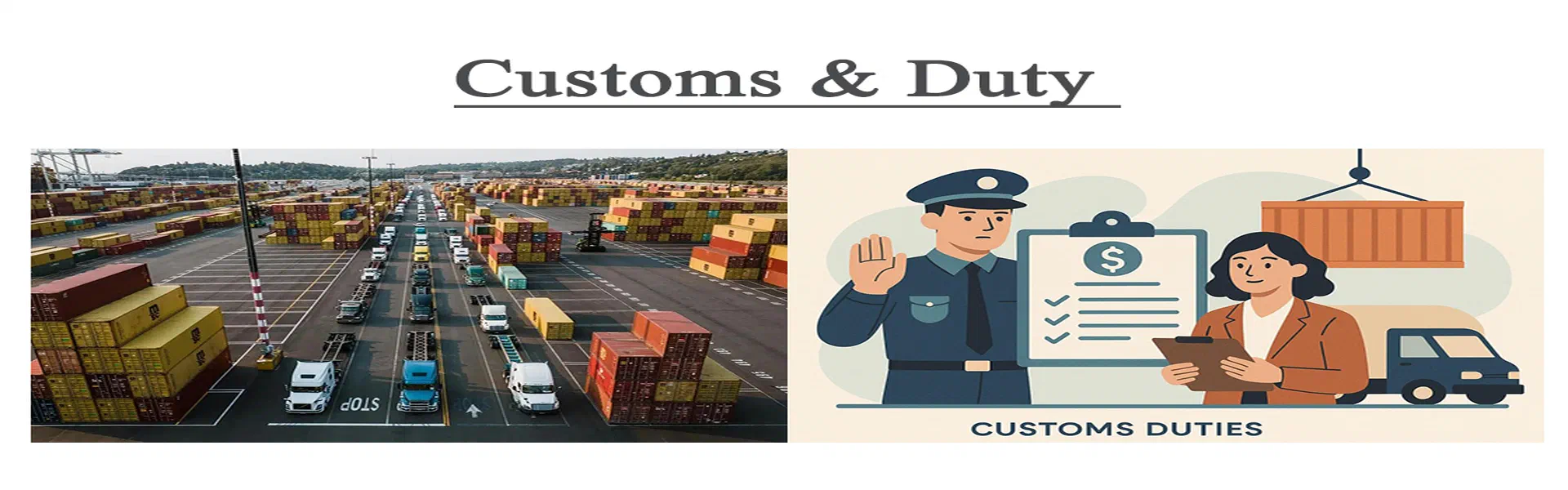

The best price for a second-hand car in export markets is influenced by several factors, including vehicle condition, brand, and local demand. Buyers should consider that prices fluctuate based on these elements and the associated import duties and taxes in their destination country.
When importing used vehicles, duties are typically calculated on a Cost, Insurance, and Freight (CIF) basis. This means that the total value of the vehicle, including shipping and insurance costs, is used to determine the duty payable. Some countries impose additional penalties based on vehicle age, so it’s crucial to confirm these rules beforehand. For instance, many African nations apply stricter duties on older vehicles, which can significantly affect overall import costs.
Documentation is another critical component in the import process. Essential documents may include Form M, which is required for imports in some countries, the Pre-Arrival Assessment Report (PAAR), and a certificate of origin. These documents help customs officials verify the vehicle’s details and establish its value for duty purposes. Buyers should ensure that all paperwork is complete and accurate to avoid delays during customs clearance.
The role of a clearing agent is often pivotal in navigating the complexities of customs procedures. An experienced agent can facilitate the import process by ensuring that all documentation is in order and that any applicable duties are paid promptly. They can also help resolve any valuation disputes that may arise with customs officials, which can otherwise lead to significant delays in the shipping process.
Delays in shipments can occur for various reasons, including incomplete documentation, discrepancies in vehicle valuation, or inspections that take longer than expected. It’s advisable for buyers to anticipate these potential issues and plan their logistics accordingly, allowing sufficient time for customs clearance. Pre-shipment inspections are also common and may be mandated by certain countries, adding another layer of complexity to the process.
Before making a purchase, buyers should verify several aspects of the vehicle. Checking the vehicle condition, mileage, and history is essential, but it’s equally important to ensure that the vehicle meets the destination country’s emission standards and regulations. Most of the inventory from this exporter consists of left-hand drive vehicles, which is a consideration for markets where right-hand drive is required.

FAQ
Q: What are the common duties and taxes applied to imported used vehicles?
A: Duties and taxes vary by country, often calculated on a CIF basis, and may include penalties based on vehicle age. It is crucial to check the specific regulations for each destination market.
Q: How can I expedite the customs clearance process?
A: Ensuring that all required documentation is complete and accurate can significantly expedite customs clearance. Engaging a knowledgeable clearing agent can also help navigate potential delays.