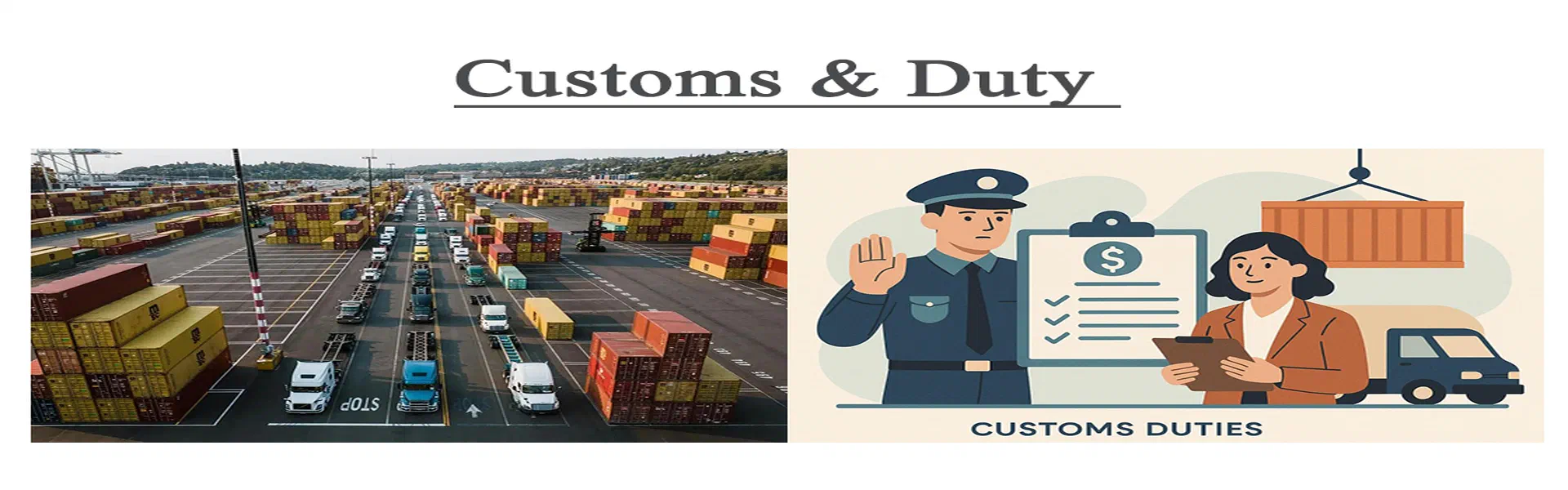
Used car sale dealerships play a crucial role in the export of vehicles, particularly when dealing with customs and duty regulations. Navigating these processes is essential for ensuring a smooth transaction and timely delivery of vehicles to international markets, especially in regions such as Africa, the Middle East, and South America.
Customs duty on imported vehicles is typically calculated on a Cost, Insurance, and Freight (CIF) basis. This means that the total value of the vehicle, including the cost of shipping and insurance, is assessed to determine the applicable duty. Import regulations vary by destination country, and certain age penalties may apply to older vehicles, which can affect the overall cost. It is advisable for buyers to check the specific customs requirements in the importing country to avoid unexpected charges.
Documentation is a critical component of the customs clearance process. Essential documents include the Form M, which is required for imports, and the PAAR (Pre-Arrival Assessment Report), which helps assess the duty owed. Additionally, a certificate of origin is necessary to confirm where the vehicle was manufactured. Buyers should ensure that all paperwork is accurately completed and submitted to avoid delays in customs clearance.
Valuation disputes can arise if the customs authorities believe the declared value of the vehicle is too low. This can lead to additional assessments or the need for negotiations. It is important for dealerships to provide comprehensive documentation that substantiates the declared value, including invoices and any relevant appraisals. Engaging a reliable clearing agent can help facilitate the process and minimize the risk of disputes.
The role of a clearing agent cannot be overstated. These professionals assist with the customs clearance process and ensure that all paperwork is in order. They also help navigate any potential issues that may arise during customs inspections. Choosing an experienced clearing agent can make a significant difference in the efficiency of the import process and can help prevent delays that could impact delivery timelines.
Delays in shipments can occur for various reasons, including incomplete documentation, customs inspections, or issues with the shipping method. Common methods for shipping used vehicles include Roll-on/Roll-off (RoRo) and container shipping. RoRo is often more cost-effective and faster, while container shipping provides added protection for high-value vehicles. Buyers should communicate clearly with their dealerships to understand the shipping method being used and any potential impacts on delivery times.

Before purchasing from a used car sale dealership, it is critical for buyers to verify the vehicle’s condition, mileage, and history. This information will help in assessing whether the vehicle is suitable for their specific market needs. Having a pre-shipment inspection conducted by an independent service can provide additional peace of mind regarding the vehicle’s condition. Buyers should also familiarize themselves with the emission standards and age limits set by their respective countries to ensure compliance upon arrival.
Payment terms are another important consideration when dealing with used car sale dealerships. Buyers should clarify the accepted methods of payment, deposit requirements, and any financing options available. Understanding these terms can help prevent misunderstandings and ensure a smoother transaction process.
FAQ
Q: What documents are required for importing a used vehicle?
A: Required documents typically include Form M, PAAR, and a certificate of origin. Additional paperwork may be necessary depending on the destination country’s regulations.
Q: How is customs duty calculated for imported vehicles?
A: Customs duty is usually calculated based on the CIF value of the vehicle, which includes the cost of the vehicle, shipping, and insurance. Age penalties may apply for older vehicles.