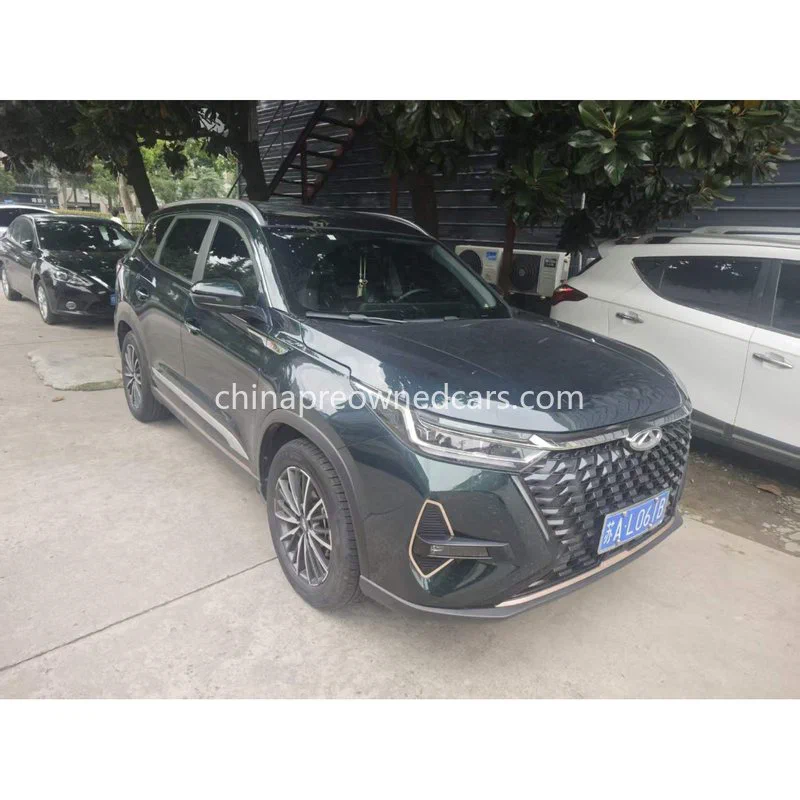
The export process for used vehicles, including those priced around $3,500, involves several critical steps that ensure compliance with both local and international regulations. Understanding the pre-shipment inspection, export documentation, and shipping methods is essential for anyone looking to engage in the used car export trade, particularly for models like the BYD Atto 3 or Chery Tiggo 7 Plus.
Pre-shipment inspection is a mandatory step where vehicles undergo thorough checks to assess their operational condition and compliance with export standards. Inspectors evaluate various components, including the engine, brakes, and battery health, particularly for electric vehicles. Certification from recognized agencies is often required, confirming that the vehicle meets the necessary safety and environmental regulations for the destination market. This process helps prevent potential disputes related to vehicle condition upon arrival.
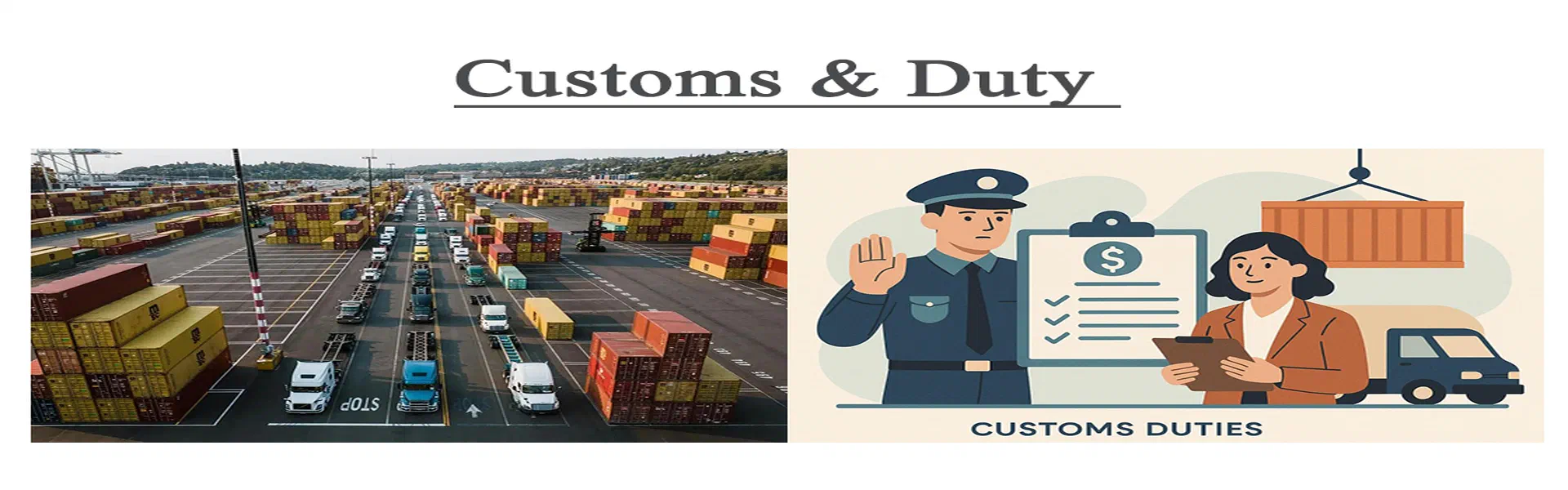
Export documentation is another crucial aspect of the process. Essential documents include the customs declaration, bill of lading, certificate of origin, and other relevant paperwork. The customs declaration outlines the vehicle’s details and value, which is vital for calculating any import duties. The bill of lading serves as a receipt for the cargo and a contract between the shipper and carrier. Buyers should be aware that these documents are necessary for customs clearance upon arrival in countries like Ghana or Nigeria, where specific regulations regarding vehicle age and emissions often apply.
Shipping methods primarily involve two options: Roll-on/Roll-off (RoRo) and container shipping. RoRo shipping is generally more cost-effective and suitable for vehicles that can be driven onto the ship. However, this method carries a higher risk of damage during transit. Container shipping offers better protection, especially for higher-value vehicles or those with sensitive technology but is typically more expensive. Exporters need to assess the best option based on the vehicle type, destination, and budget constraints when dealing with used cars for $3,500.

Finally, potential delays in the export process can arise from various factors, including incomplete documentation, customs disputes regarding vehicle valuation, or inspection failures. Engaging a reliable clearing agent can help navigate these challenges, ensuring timely customs clearance and reducing the risk of unexpected costs. Exporters and buyers should remain proactive in verifying all aspects of the vehicle and documentation before the shipping process to facilitate a smooth transaction.
FAQ
Q: What is included in the pre-shipment inspection?
A: The pre-shipment inspection typically includes checks on the vehicle’s mechanical systems, safety features, and overall condition, including battery health for electric vehicles.
Q: What documents are necessary for customs clearance?
A: Necessary documents include the customs declaration, bill of lading, and certificate of origin, among others specific to the destination country.
Q: How is shipping cost determined between RoRo and container methods?
A: Shipping costs vary based on the method; RoRo is generally cheaper but riskier, while container shipping offers protection at a higher cost.