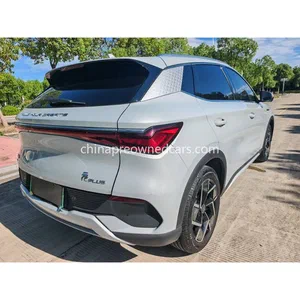
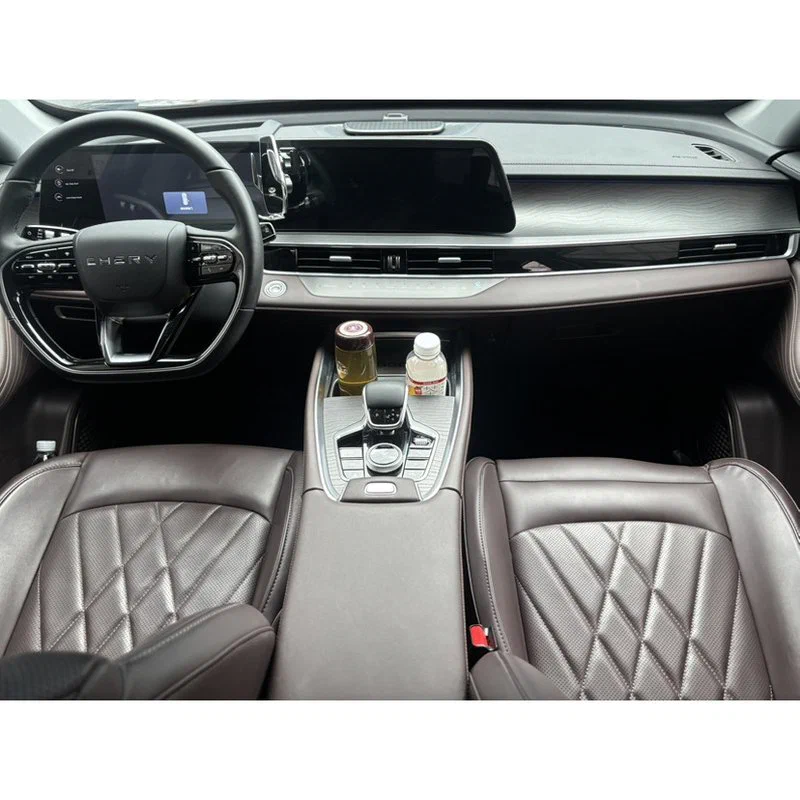
Reliable used cars for sale can be found through exporters specializing in the used vehicle market, particularly those from China. These exporters often provide a range of vehicles, including electric and hybrid SUVs tailored for various international markets, including Africa and the Middle East.
When importing used vehicles, understanding customs and duty regulations is crucial. Duties are typically calculated on a Cost, Insurance, and Freight (CIF) basis. This includes the vehicle purchase price, shipping costs, and insurance. Import duties can vary significantly based on the destination country, vehicle age, and other factors. Some markets impose age penalties, meaning older vehicles may incur higher duties, while others may have specific emissions standards that must be met. It is essential for buyers to verify the current duty rates and regulations applicable to their specific market.
Key documents are required for customs clearance when importing used vehicles. These typically include a Form M, which is essential for the importation process, a Proof of Assessment and Release (PAAR) document, and a certificate of origin to confirm the vehicle’s provenance. Buyers should work closely with a clearing agent who can facilitate the customs process, ensuring all paperwork is correctly submitted to avoid delays. Disputes can arise over vehicle valuation, particularly when the declared value does not match the customs authority’s assessment, leading to further complications in the clearance process.
Shipping methods also play a significant role in the logistics of exporting used cars. Vehicles can be shipped via Roll-on/Roll-off (RoRo) or in containers. RoRo is often more cost-effective for larger shipments, whereas container shipping can offer additional protection for high-value vehicles. Buyers need to understand the implications of each method, including costs and potential delays. Shipping lead times can vary, and it is advisable to inquire about typical timeframes for the chosen method, which can generally range from 15 to 25 days.

Before finalizing a purchase, potential buyers should conduct thorough checks on the vehicle’s condition. This includes verifying the vehicle’s history, mileage, and overall condition through a pre-purchase inspection. Buyers should also confirm battery health for electric vehicles, as this can significantly impact performance and resale value. Understanding payment terms is crucial, as different exporters may have varying policies regarding deposits, payment methods, and timelines for fund transfers. After-sales support is another important aspect; buyers should ensure that they have access to assistance for any issues that may arise post-purchase.
FAQ
Q: What documents do I need for importing a used vehicle? A: You typically need a Form M, PAAR, and a certificate of origin to clear customs.
Q: How is the import duty calculated for used cars? A: Import duty is usually calculated on a CIF basis, which includes the vehicle price, shipping, and insurance costs.