The BYD Atto 3 and Haval H6 serve different buyers: the Atto 3 is a fully electric SUV, while the petrol-powered Haval H6 relies on a conventional combustion engine. For importers in Ghana, Nigeria, Kenya, Uganda and Tanzania, the better choice depends on charging access, fuel availability, local regulations and the ability to maintain the vehicle after arrival.
1. Powertrain, range and operating costs
The main difference is how each vehicle uses energy. The BYD Atto 3 runs entirely on electricity, with a battery-powered drivetrain and no petrol engine. It produces no exhaust emissions during operation and is particularly suitable for buyers who have dependable access to charging facilities. The Haval H6 petrol version uses an internal combustion engine, making it less dependent on electrical infrastructure. It can be refuelled at conventional filling stations, which remains a practical advantage in areas where public EV charging is limited. Buyers should compare the exact engine and drivetrain specification of each used unit rather than relying on the model name alone.
Range and energy consumption require different calculations. For the Atto 3, the usable battery capacity, battery condition, driving speed, air-conditioning use and road conditions all affect the distance available between charges. Advertised driving range should not be treated as a guaranteed real-world figure. A buyer should request the battery state-of-health assessment, charging records where available and evidence of the vehicle’s actual battery performance. For the Haval H6, fuel consumption depends on engine specification, transmission, maintenance history, traffic and driving conditions. Stop-start traffic and heavily loaded journeys can increase consumption. Comparing both vehicles over the same expected monthly distance gives importers a more useful operating-cost estimate than comparing manufacturer figures alone.
Emissions compatibility is another important distinction. The Atto 3 has no tailpipe emissions, but its eligibility for import still depends on the destination country’s applicable vehicle classification, registration procedures and technical requirements. The petrol Haval H6 must be assessed against the relevant emissions standard and inspection rules. Importers should not assume that a vehicle accepted in China automatically qualifies for registration in Ghana, Nigeria, Kenya, Uganda or Tanzania. Requirements can change, and vehicle age restrictions, emissions limits and roadworthiness conditions may differ. Before paying a deposit, the buyer should confirm the current rules with the destination country’s customs authority or an authorised local clearing agent.
2. Charging, maintenance and parts availability
Charging compatibility is a specific issue for the Atto 3. Buyers should confirm the charging connector fitted to the selected vehicle, its supported AC and DC charging arrangements, and whether local charging equipment is compatible. The availability of suitable charging stations matters just as much as the vehicle’s advertised range. An importer should also consider whether the intended operating location has reliable electricity and whether workplace or home charging can be arranged. In locations where charging networks are developing, a vehicle that depends on frequent public fast charging may create operational difficulties. Charging equipment, adapters and any necessary installation arrangements should be checked before shipment.
Maintenance planning also differs. The Atto 3 has fewer conventional engine-related service requirements because it does not use engine oil, spark plugs or a petrol exhaust system. However, it still requires attention to tyres, suspension, brakes, cooling systems, electrical components and high-voltage battery systems. Repairs involving battery modules or specialist electrical components may require trained technicians and suitable diagnostic equipment. The Haval H6 has familiar combustion-engine maintenance requirements, including engine oil, filters, cooling-system checks and transmission servicing according to its specification. Its maintenance may be easier to arrange where petrol vehicle workshops are widely established, although parts availability should never be assumed. Importers should identify local suppliers for common service parts and confirm access to model-specific diagnostic support.
Parts and after-sales support can influence the total cost of ownership more than the initial purchase price. The Atto 3 is a sensible candidate where BYD parts, qualified EV technicians and battery diagnostic services are accessible. The Haval H6 may suit buyers who prefer conventional workshop arrangements and have access to technicians familiar with petrol SUVs. Both vehicles require a parts check before purchase. This should include filters, brake components, suspension parts, electronic modules and other items likely to need replacement. For EVs, battery cooling components and charging-system parts deserve additional attention. A buyer should also establish whether replacement parts can be sourced locally or must be ordered from China, including the likely effect on maintenance downtime.
3. Drive configuration, inspection and export suitability
Drive configuration is a critical consideration for African imports. Most Chinese domestic-market vehicles are left-hand drive, including many examples of the Atto 3 and Haval H6. Ghana, Nigeria, Kenya, Uganda and Tanzania generally operate right-hand-drive road systems. However, the legality of importing a left-hand-drive vehicle must be checked separately for each destination and intended registration category. Road-side convention alone does not establish import eligibility. Some markets impose restrictions or additional conditions on left-hand-drive vehicles. Buyers should obtain written confirmation before selecting a unit. If a right-hand-drive vehicle is required, it must be specifically sourced and verified rather than assumed to be available in the standard domestic inventory.
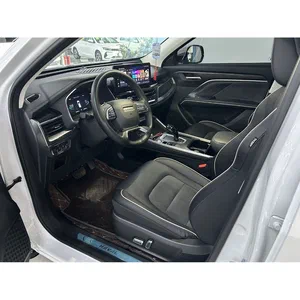
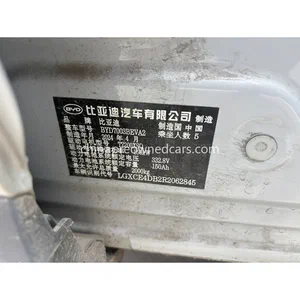
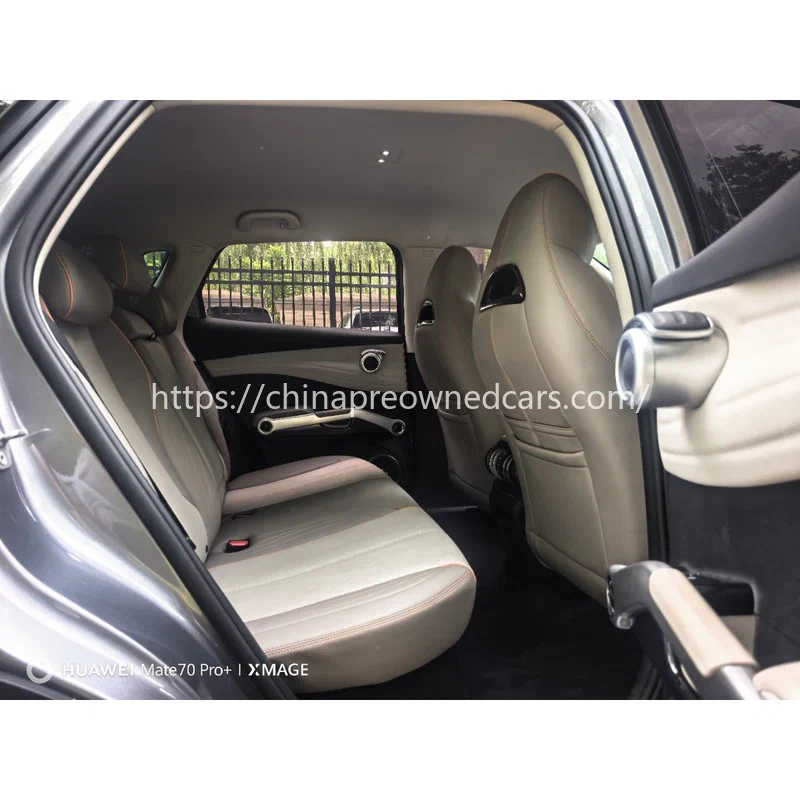
Condition assessment should cover more than exterior appearance and odometer readings. For the Atto 3, request a battery state-of-health report, diagnostic scan, charging-system test and inspection of the battery enclosure for impact damage. Check for warning messages, charging faults and evidence of previous battery repairs. For the Haval H6, examine the engine, transmission, cooling system, suspension, braking system and exhaust components. Both models require VIN verification, accident-history checks where records are available, paint and body inspection, tyre assessment and confirmation that the recorded mileage is consistent with the available maintenance history. Photographs and inspection reports should be reviewed before purchase. No used vehicle should be treated as having guaranteed condition simply because it has passed a pre-shipment inspection.
Export preparation involves several stages after the vehicle has been selected. The exporter must arrange the applicable export licensing, documentation, customs declaration and pre-shipment inspection before the vehicle can leave China. The buyer should receive clear information about the vehicle identification details, purchase agreement, inspection findings and shipping arrangements. RoRo shipping is generally suitable for operational vehicles that can be driven onto and off the vessel. Container shipping provides enclosed transport and may be preferable when additional protection or specific cargo arrangements are required. Shipping schedules and transit times depend on the departure port, destination port, carrier availability and customs procedures. The final choice should reflect the vehicle’s condition, transport budget and destination handling requirements.
For buyers comparing the best used vehicle to buy, the decision should follow the conditions at the destination rather than the vehicle’s technology alone. The Atto 3 is a stronger candidate for operations with dependable charging, suitable registration eligibility and access to EV maintenance. The petrol Haval H6 is more practical where conventional refuelling and workshop support are established, subject to emissions and import compliance. Before confirming an order, buyers should agree on payment milestones, inspection arrangements, shipping responsibility and the documents supplied with the vehicle. They should also clarify what after-sales assistance is available if a fault is identified after arrival. These checks provide a clearer basis for comparing the purchase cost with the actual cost of putting the SUV into service.

FAQ
Q: Is the BYD Atto 3 cheaper to operate than the Haval H6?
A: It can be, particularly where electricity is affordable and charging is convenient. Actual savings depend on electricity tariffs, petrol prices, driving distance, battery condition and maintenance costs.
Q: Can the BYD Atto 3 and Haval H6 be imported into Ghana or Nigeria?
A: Both require verification against current import regulations, vehicle age restrictions, emissions requirements and drive-side rules. Buyers should confirm eligibility with local customs authorities before purchasing.
Q: Should an importer choose RoRo or container shipping?
A: RoRo is suitable for operational vehicles, while container shipping provides enclosed transport. The appropriate method depends on the vehicle’s condition, shipping arrangements, budget and destination requirements.