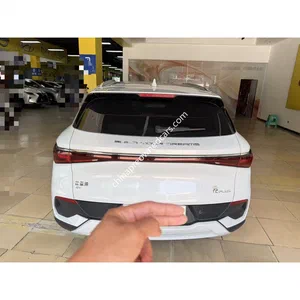

Electric and hybrid vehicles offer distinct advantages and challenges for export markets, particularly for countries in Africa, the Middle East, and South America. Understanding the differences between these vehicles is crucial for informed purchasing decisions. Key factors to consider include powertrain technology, range and fuel consumption, emissions standards compatibility, and parts availability.
Electric vehicles (EVs), such as the BYD Atto 3, utilize electric motors powered by batteries, resulting in zero tailpipe emissions. They tend to have higher energy efficiency and lower operating costs compared to traditional combustion engines. However, buyers must consider the charging infrastructure in their destination markets. Many regions in Africa and the Middle East are still developing their EV infrastructure, which may limit the practicality of owning an electric vehicle unless the necessary charging facilities are in place.
Hybrid vehicles, such as the Chery Tiggo 7 Plus and Chery Tiggo 8 Pro, combine a conventional internal combustion engine with an electric motor. This configuration allows for greater flexibility in fueling options, as hybrids can switch between gasoline and electric power. They often provide better range than fully electric models, making them suitable for markets where fuel availability is more consistent than charging stations. However, hybrids may face stricter emissions regulations, and parts availability can vary based on the model and market.

When selecting between electric and hybrid options, buyers should also consider the left-hand drive (LHD) aspect of most Chinese domestic vehicles. Most available models cater to markets that accept LHD vehicles, which is essential for compliance with local driving regulations. For markets with specific emission standards, it’s important to verify that the vehicle meets local requirements, as these can differ significantly from country to country.
Lastly, the condition grading of used vehicles is paramount. Buyers should conduct thorough inspections to assess battery health for EVs and overall vehicle condition for hybrids. Documentation related to pre-shipment inspections and customs clearance are also vital to ensure smooth export processes. Working with a trusted exporter will facilitate these logistics and provide necessary after-sales support.
FAQ
Q: What is the certified pre owned meaning?
A: Certified pre-owned vehicles are used cars that have been inspected and refurbished to meet specific standards defined by the manufacturer. This status often includes a limited warranty, providing additional buyer assurance.
Q: What should I verify before purchasing a hybrid or electric vehicle?
A: Buyers should check the vehicle’s condition, battery health for electric models, and ensure that it meets local emissions and safety regulations. It’s also advisable to confirm the availability of parts and service in the destination market.