
The choice between manual and automatic transmissions can significantly impact a vehicle’s performance and suitability for specific export markets. Each option has distinct advantages and considerations that may influence buyer decisions, especially in regions such as Africa and South America. This article compares these two powertrain types, examining essential factors like fuel efficiency, emissions, and vehicle compatibility with market regulations.
Manual transmissions often provide better fuel economy than their automatic counterparts. They allow drivers to have precise control over gear selection, which can enhance driving efficiency. This is particularly relevant for vehicles exported to regions where fuel costs are a significant concern. In contrast, automatic transmissions typically offer greater convenience, especially in urban environments with heavy traffic. Buyers should weigh the driving conditions in their market when deciding which transmission type is more suitable.

Emissions standards play a crucial role in the export of used vehicles. Many countries have specific regulations regarding emissions, particularly for diesel engines. Manual vehicles can sometimes meet these standards more readily due to their simpler design and typically lower emissions during operation. However, modern automatic transmissions have also advanced, with many newer models incorporating technologies that reduce their environmental impact. Buyers should always verify the specific emission requirements of their target market, as these can vary significantly.
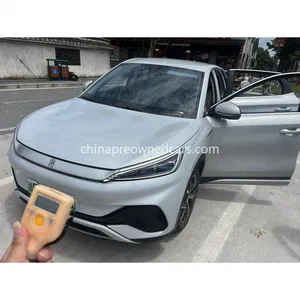
The parts and service availability is another critical factor to consider when exporting vehicles. Regions with developed automotive service networks may offer better support for both manual and automatic vehicles, while more remote areas might favor manual options due to their simpler mechanics. Models like the BYD Atto 3 and Haval H6, which are popular in many markets, may have different maintenance requirements that buyers should investigate. Understanding local service capabilities can help ensure long-term satisfaction with the chosen vehicle.
Charging standards are particularly relevant for electric vehicles (EVs). For example, the BYD Atto 3 is an electric SUV that must comply with local charging infrastructure. Buyers need to ensure that the charging standards in their market align with the vehicle’s requirements to prevent compatibility issues. While manual and automatic choices generally do not affect EV charging, understanding the infrastructure can be crucial for operational success.
Lastly, left-hand drive (LHD) compatibility is essential for many markets. Most vehicles in this inventory are LHD, making them suitable for countries where this standard applies. However, regions that require right-hand drive vehicles may need to source specific models, which could limit options. Buyers should confirm the driving orientation required in their destination market to ensure compliance and usability.
FAQ
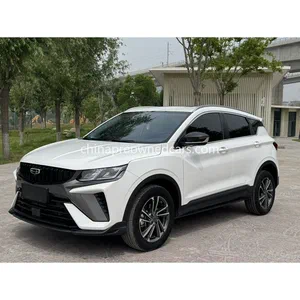
Q: What are good used manual cars for export? A: Good used manual cars for export typically include popular models like the Chery Tiggo 7 Plus and Geely Coolray, known for their reliability and fuel efficiency.
Q: How does the choice of transmission affect vehicle performance? A: The choice of transmission impacts fuel efficiency, control, and maintenance needs. Manual vehicles generally offer better fuel economy, while automatics provide ease of use in heavy traffic situations.