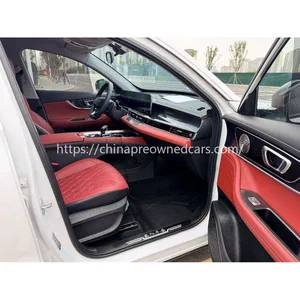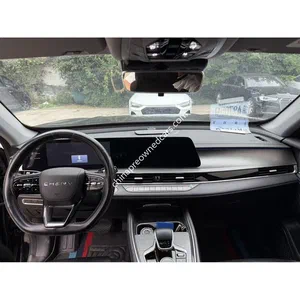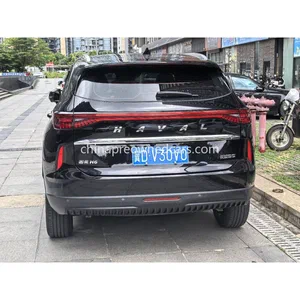

Emerging markets like those in Africa and South America present unique challenges and requirements for importing vehicles. This article compares the expectations for pre-owned cars versus used cars, focusing on the suitability of models such as the BYD Atto 3, Chery Tiggo 7 Plus, Chery Tiggo 8 Pro, Geely Coolray, and Haval H6. Understanding these specifications helps buyers make informed decisions when sourcing vehicles from China.
Market Demands and Vehicle Specifications
In countries like Ghana, Nigeria, Kenya, Uganda, and Tanzania, buyers prioritize specific features when considering vehicles. Most of the inventory consists of left-hand drive models, which aligns with the driving norms of these markets. Emission standards can vary significantly, so understanding local regulations regarding acceptable emissions is crucial. Buyers should verify whether the vehicles meet the required standards for their destination.
Climate and road conditions also play a significant role in vehicle choice. Many regions in these markets experience rough terrain and unpredictable weather, demanding vehicles that can handle challenging driving conditions. Models like the Haval H6, known for their durability and high ground clearance, are well-suited for such environments.
Import Regulations and Shipping Procedures
Importing vehicles involves navigating various regulations and paperwork. Each country has its own set of rules governing vehicle age, emissions, and overall roadworthiness. Buyers should confirm the current regulations in their destination market, as these can change. For instance, some countries may have age limits for imported vehicles or specific requirements regarding emissions.
Export procedures include pre-shipment inspections, customs clearance, and choosing between RoRo (Roll-on/Roll-off) and container shipping methods. RoRo shipping is often preferred for vehicles, as it can be more cost-effective and faster compared to container shipping. Nonetheless, container shipping may provide better protection for high-value vehicles.
Payment Terms and After-Sales Support
Buyers should be aware of the payment terms set by exporters. Common arrangements include upfront payments or deposits, followed by balance payments upon shipment or delivery. Understanding these terms is essential for financial planning.
After-sales support is another factor to consider. Reliable exporters often provide assistance with registering the vehicle, sourcing replacement parts, and addressing any issues that may arise post-purchase. This support can be crucial for maintaining the vehicle’s longevity and performance in demanding conditions.

Vehicle Condition and Quality Assessment
Evaluating the vehicle’s condition is vital before making a purchase. Buyers should request comprehensive reports detailing the vehicle’s history, including previous ownership, accident records, and maintenance logs. Conducting a thorough pre-purchase inspection is also advisable to assess the mechanical and cosmetic condition of the vehicle. This step is particularly important for pre-owned cars, as they may have hidden issues that could affect performance.
Battery health is a critical consideration for electric vehicles, especially models like the BYD Atto 3. Buyers must verify the state of the battery and ensure it meets the expected performance standards for their usage needs.
Fuel and Charging Infrastructure
The availability of fuel and charging infrastructure is a significant consideration for buyers, particularly in regions with developing infrastructure. While traditional combustion vehicles may fare better in areas with limited charging stations, electric vehicles like the BYD Atto 3 can be advantageous in urban areas where charging infrastructure is expanding. Buyers should assess the local availability of charging stations to determine the practicality of electric vehicles in their region.
Conclusion
In summary, the landscape for importing vehicles into emerging markets requires careful consideration of various factors. Buyers must align their vehicle choice with local regulations, road conditions, and available infrastructure. By selecting models that meet these demands, such as the Chery Tiggo 8 Pro or the Geely Coolray, importers can enhance their chances of success in these markets.
FAQ
Q: What is the difference between pre-owned cars and used cars?
A: Pre-owned cars typically refer to vehicles that have had one or fewer previous owners, while used cars can have multiple owners. This distinction can affect the vehicle’s condition and resale value.
Q: What should I check before purchasing a vehicle for import?
A: Buyers should verify the vehicle’s condition, history, and compliance with local regulations. A pre-purchase inspection and reviewing documentation are essential steps in this process.