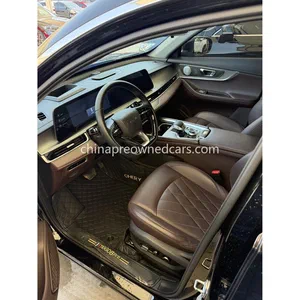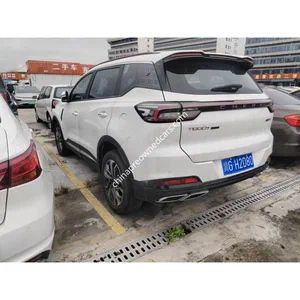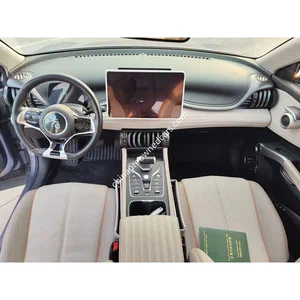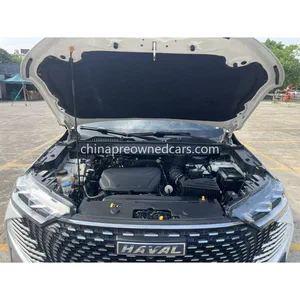
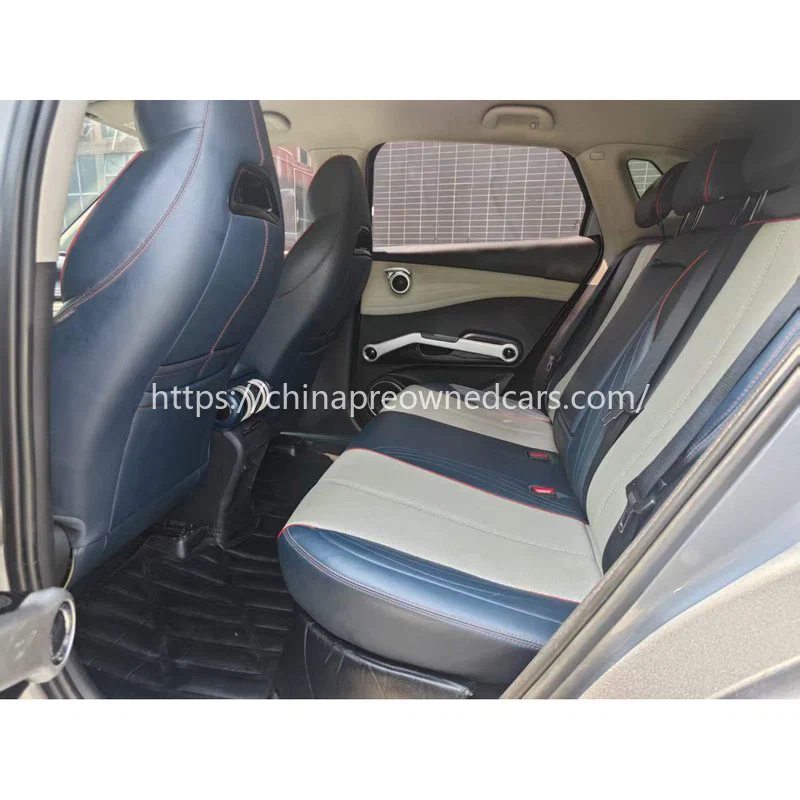
Verification is crucial when purchasing a certified pre-owned car for sale, especially in the context of used vehicle exports. Buyers should take several key steps to ensure the vehicle’s quality and compliance with their destination’s regulations. This includes checking the car’s condition, verifying its documentation, and understanding the exporter’s credibility.
The first step is to assess the vehicle’s condition. Buyers should request detailed information regarding mileage and service history. A lower mileage typically indicates less wear and tear, while a comprehensive service history can reveal how well the vehicle has been maintained. Additionally, for electric vehicles, checking the battery health is essential. Buyers should also verify the Vehicle Identification Number (VIN) for authenticity, ensuring that the vehicle matches the description provided by the exporter.
Documentation is another critical aspect of the purchasing process. Buyers should ask for an inspection report that outlines the vehicle’s condition, including any repairs or issues identified during inspection. An export license is necessary for legal clearance, and customs clearance paperwork should also be obtained to facilitate the import process. These documents not only support the legitimacy of the vehicle but also provide a clear record for future reference.
Evaluating the credibility of the exporter is vital. Buyers should look for customer reviews and testimonials to gauge the experiences of previous clients. Asking about the exporter’s experience in handling specific markets, such as those in Africa or South America, can provide insights into their reliability. Additionally, it’s important to understand the payment terms, which can vary widely. Standard practices may include upfront payments or deposits, so clarity is necessary to avoid potential disputes.

Shipping logistics are another area where issues can arise. Buyers should be aware of the differences between RoRo (Roll-on/Roll-off) shipping and container shipping. RoRo is often more cost-effective, but container shipping offers better protection for the vehicle. Understanding the shipping lead time is essential as well, with typical durations ranging from 15 to 25 days, depending on the destination.
Buyers should also familiarize themselves with market-specific requirements. For instance, many vehicles exported from China are left-hand drive, which may not be suitable for all markets. Emission standards and vehicle age limits can differ significantly between countries, so confirming current regulations for the target market is essential. This ensures that the vehicle can be legally registered and used upon arrival.
Finally, it is advisable to have a clear understanding of what can go wrong during the purchasing process. Issues may arise from discrepancies in vehicle condition upon arrival, unexpected customs fees, or delays in shipping. Having a reliable after-sales support plan can mitigate these risks, providing assistance with any post-purchase concerns.
FAQ
Q: What documents should I request when buying a certified pre-owned car for export?
A: Buyers should request an inspection report, export license, and customs clearance paperwork to ensure compliance and vehicle quality.
Q: How can I assess the credibility of the exporter?
A: Research customer reviews, testimonials, and the exporter’s experience with specific markets to gauge their reliability.