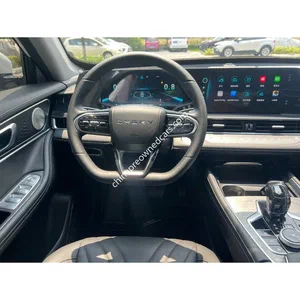
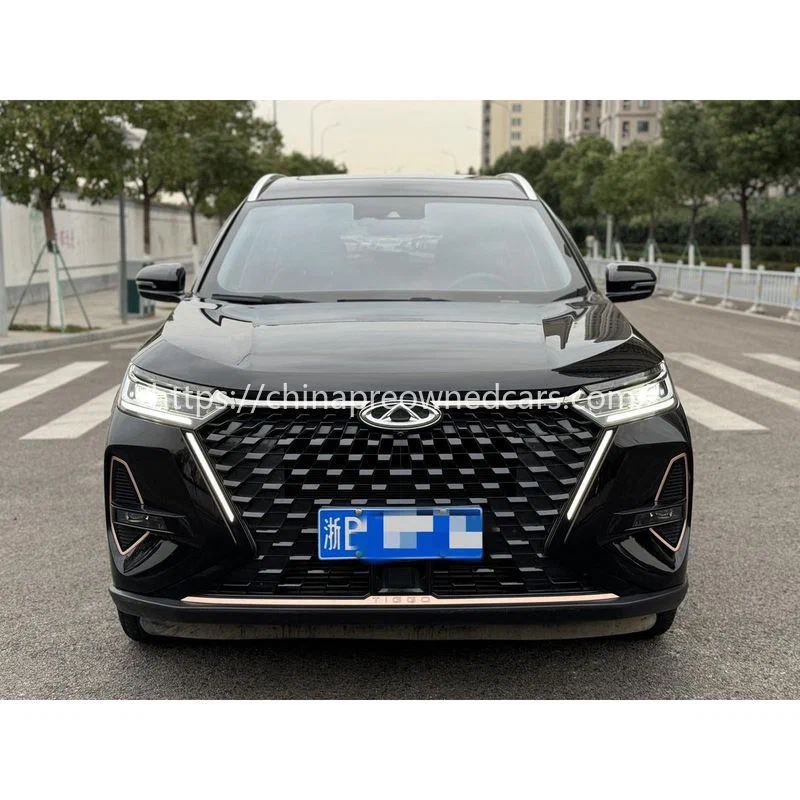
Emission standards significantly affect the export of electric and hybrid cars, especially in relation to destination countries like Ghana, Nigeria, Kenya, Uganda, and Tanzania. These standards dictate the allowable levels of pollutants emitted from vehicles, impacting which models are compliant and therefore eligible for import. Buyers must consider whether the vehicles meet specific emission regulations in their respective markets, as non-compliance can lead to costly rejections at customs.
Electric vehicles (EVs) like the BYD Atto 3 and hybrid models such as the Chery Tiggo 7 Plus are generally favored in markets with stricter emission standards. The BYD Atto 3, for example, has a zero-emission powertrain, making it suitable for countries promoting electric mobility. However, buyers should verify local regulations, as some regions may have restrictions on battery specifications or overall vehicle age.
Fuel consumption and range are also critical factors for hybrid models. The Haval H6 offers a balance of fuel efficiency and performance, which may appeal to buyers in markets where fuel costs are a concern. Conversely, the Chery Tiggo 8 Pro provides a larger capacity and versatility, appealing to families needing more space, but may consume more fuel compared to smaller models. It’s essential for buyers to consider not just the specifications but how these features align with their market’s demands.
Parts availability and service infrastructure are crucial for long-term vehicle ownership. Countries with a growing market for electric and hybrid vehicles may lack sufficient service facilities, making models like the Geely Coolray or Chery Tiggo 7 Plus, which have established service networks, more attractive. Buyers should assess whether they can obtain parts and support easily, as delays can lead to increased maintenance costs.
Charging standards are another consideration specific to EVs. Many electric cars use Type 2 charging connectors, which are widely supported in many regions. However, buyers must confirm the compatibility of charging infrastructure in their destination markets to avoid potential inconveniences. This is particularly important for electric models, which require reliable access to charging stations for practical daily use.

Finally, the left-hand drive configuration of most vehicles in the inventory, including the Haval H6 and BYD Atto 3, is generally suitable for many African and South American markets. However, right-hand-drive markets must be approached carefully, as sourcing specific configurations can be challenging. Buyers need to be aware of these drive-side requirements to ensure they select vehicles that align with local road regulations.
FAQ
Q: What should I check before purchasing a used electric or hybrid vehicle for export?
A: Buyers should verify the vehicle’s emission compliance, battery health, and overall condition. It’s also important to check for parts availability and service support in the destination market.
Q: How does the age of the vehicle impact its exportability?
A: Many countries impose age limits on imported vehicles, which can vary significantly. Buyers must check current regulations to ensure compliance with local laws.
Q: What shipping options are available for exporting used vehicles?
A: Vehicles can be shipped via RoRo (Roll-on/Roll-off) or in containers. The choice often depends on cost and the type of vehicle being exported.