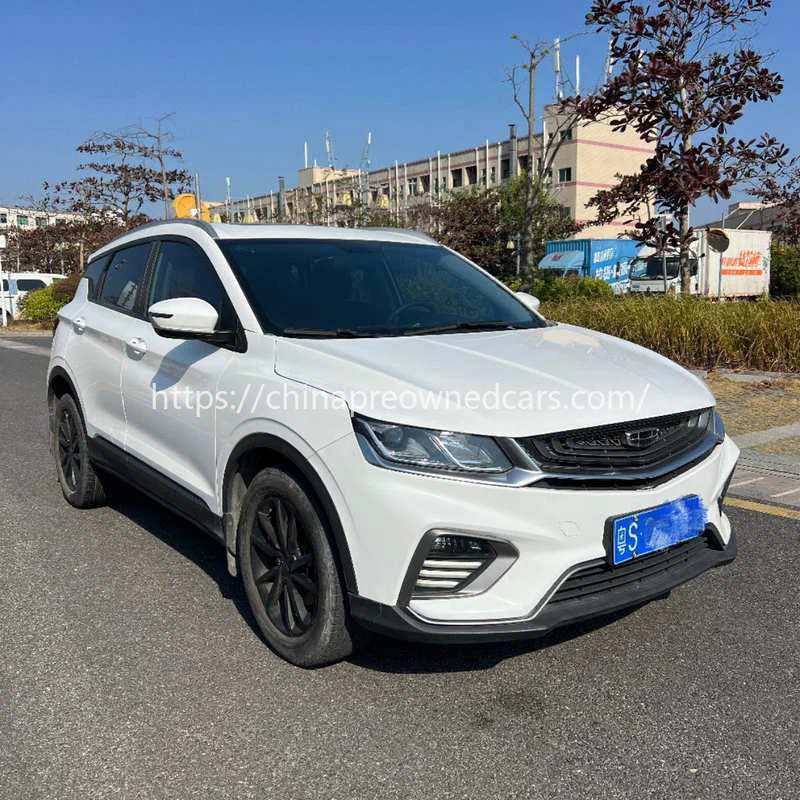
Low cost used cars exported from China go through a defined process before they leave the country: vehicle inspection, export documentation, customs clearance and international shipping. For buyers in Ghana, Nigeria, Kenya, Uganda and Tanzania, understanding these stages helps clarify what is included in an export order, which checks should be completed before payment and how the shipping method affects the final delivery.
How does the inspection and export process work?

The process begins with vehicle selection and verification. Once a buyer identifies a suitable vehicle, the exporter confirms its model, VIN, registration details and available ownership records. The VIN should be checked against the vehicle itself and the documents supplied. Any differences in model year, trim level or vehicle identification details should be resolved before the purchase proceeds. This is particularly important when buying remotely, since the buyer cannot independently examine the vehicle at the seller’s premises.
Pre-shipment inspection follows. The inspection should cover the exterior body, paintwork, glass, tyres, lights, doors and signs of previous collision repairs. Inside the vehicle, inspectors should check seat condition, dashboard functions, air conditioning, infotainment equipment and warning lights. The mechanical inspection should include the engine or electric drive system, transmission where applicable, suspension, steering, braking system and visible fluid leaks. A road test, where practical, can help identify unusual noises, vibration or handling problems.
Electric and hybrid vehicles require additional checks. For a BYD Atto 3, battery state of health is a particularly important item. Buyers should request available battery diagnostic results, charging-system checks and information about any battery-related fault codes. Hybrid models also require checks of the interaction between the combustion engine, electric motor and battery system. An inspection report should record observed defects rather than simply describe a vehicle as being in good condition. Any applicable export inspection or certification requirements must also be confirmed before shipment; an ordinary workshop inspection report should not be treated as a substitute for a government-required certificate.
Export documentation, shipping methods and port handling
After inspection approval, the exporter prepares the documents required for Chinese export clearance and destination-country import procedures. China’s used vehicle export process requires the appropriate export licensing arrangements, customs declaration and applicable pre-shipment inspection. The paperwork commonly includes the commercial invoice, vehicle identification details, export declaration, bill of lading and certificate of origin where required. Vehicle ownership or deregistration documents may also be needed, depending on the transaction and applicable procedures. The exporter should provide copies for review before shipment and confirm which original documents will be sent to the buyer or destination agent.
Shipping is generally arranged through RoRo or container transport. RoRo shipping allows vehicles to be driven onto and off a vessel using dedicated vehicle decks. It is often suitable for standard passenger vehicles and can reduce handling steps. However, vehicles travel within a shared vessel environment, so buyers should clarify access restrictions, port handling arrangements and insurance coverage. Container shipping places the vehicle inside a secured container. This can offer additional protection from exposure during the sea journey and may suit higher-value vehicles or shipments involving more than one unit. It also involves container loading, securing and unloading, which require proper handling to avoid movement damage. Container transport may cost more, particularly for a single vehicle, while the final cost of either method depends on the route, port charges and service arrangements.
Port handling adds another stage. Before departure, the vehicle is transferred to the export terminal, processed against the shipping documents and loaded according to the selected method. Once the vessel departs, the carrier issues the bill of lading as evidence of shipment and the transport contract. The buyer should check the consignee name, destination port, VIN or vehicle description and other shipment details. On arrival, the destination agent handles the applicable port procedures, import declaration, duty assessment and release arrangements. Charges such as terminal handling, storage and customs-related fees should be clarified separately rather than assumed to be included in the vehicle purchase price.
Lead time depends on several stages, not just the sea voyage. Vehicle sourcing and inspection may take additional time if a particular specification is required. Export documentation and customs processing must be completed before loading, while vessel schedules and port congestion affect departure and arrival. Buyers should request an estimated timeline covering vehicle preparation, export clearance, vessel departure and destination-port handling. A quoted shipping period should not be interpreted as a guaranteed vehicle-release date. For buyers in Ghana, Nigeria, Kenya, Uganda and Tanzania, the destination agent should also confirm current import rules, including vehicle age restrictions, emissions requirements, roadworthiness standards and applicable taxes. Most vehicles sourced from China’s domestic market are left-hand drive. This makes drive-side verification essential before purchase, alongside confirmation that the vehicle can legally be registered in the intended destination.
FAQ
Q: Are low cost used cars from China inspected before export?
A: They should undergo vehicle condition and identification checks before shipment. Buyers should request an inspection report covering mechanical condition, bodywork, mileage records where available and relevant battery diagnostics for electric vehicles.
Q: Is RoRo or container shipping better for used cars?
A: RoRo is often suitable for standard vehicles and may offer lower shipping costs. Containers provide enclosed transport but involve additional loading and securing costs, so the choice depends on vehicle value, shipment size and available routes.
Q: What documents are needed to import a used car from China?
A: Common documents include the commercial invoice, bill of lading, export customs declaration and certificate of origin where applicable. Buyers should confirm additional requirements with the destination customs authority before shipment.