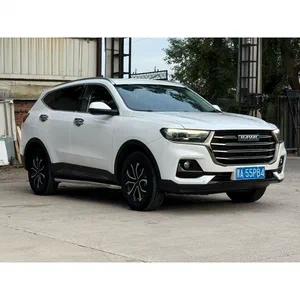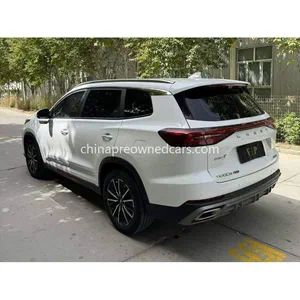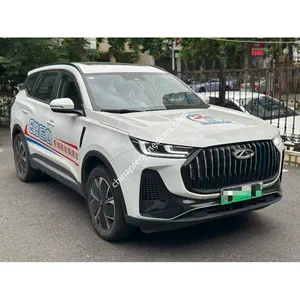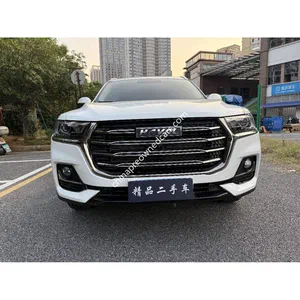
Buyers interested in certified pre-owned vehicles need to approach the process with due diligence. It’s essential to verify several aspects of the vehicle and understand the export procedures involved in purchasing a used vehicle from China. This article outlines the key considerations for overseas buyers, focusing on vehicle verification, documentation, exporter credibility, payment terms, and potential pitfalls.
Vehicle Verification
Before finalizing any purchase, buyers should conduct thorough checks on the vehicle, focusing on several critical aspects. Key factors to verify include mileage, service history, accident records, and battery health for electric vehicles. The Vehicle Identification Number (VIN) should also be checked for authenticity to ensure it matches the information provided by the seller. These details can often provide insights into the vehicle’s condition and past usage, which are vital for assessing its overall value.
Documentation Requirements
Proper documentation is crucial when exporting vehicles. Buyers should request a detailed inspection report that verifies the vehicle’s condition and compliance with local regulations. Additionally, an export license is necessary for legal clearance. Buyers should ensure that customs clearance paperwork is in order, as this will be required to avoid delays during shipment. Having all documentation prepared can streamline the process and prevent complications at the destination port.
Export Procedures
The export process involves several steps that must be meticulously followed. First, pre-shipment inspections are typically conducted to meet the destination country’s regulations. Vehicles can be shipped either via Roll-on/Roll-off (RoRo) or container shipping, depending on the buyer’s preferences and the nature of the shipment. Each method has its advantages, with container shipping often providing better protection for the vehicle but at a higher cost. Buyers should consider their budget and shipping timelines when choosing a shipping method.
Market-Specific Requirements
Different destination markets have unique requirements that buyers must adhere to. Most vehicles in the inventory are left-hand drive, which suits many markets in Africa and the Middle East. Emission standards and vehicle age limits can also vary significantly by country, so it’s essential for buyers to confirm current regulations for their specific destination. Understanding these requirements can prevent potential issues upon arrival and ensure compliance with local laws.
Assessing Exporter Credibility
Choosing a reputable exporter is vital in the used vehicle market. Buyers should research the exporter’s history, looking for reviews and testimonials from previous customers. Check if the exporter has a solid track record in handling documentation and logistics. A credible exporter will provide clear communication regarding the vehicle’s condition, shipping timelines, and any potential issues that may arise during the export process.
Standard Payment Terms
Payment terms can vary widely among exporters, but standard practices often include upfront deposits followed by the balance due before shipment. Buyers should clarify these terms in advance to avoid misunderstandings. Using secure payment methods can also help protect against fraud. It’s advisable to request invoices that detail all costs associated with the purchase, including shipping and customs fees.
Common Pitfalls

Several common issues can arise when purchasing used vehicles for export. Buyers should be cautious of vehicles with unclear histories or those that lack proper documentation. Additionally, hidden fees and unexpected delays can complicate the buying process. Buyers are encouraged to maintain open lines of communication with the exporter and ask questions whenever uncertainties arise. Taking these steps can help mitigate risks associated with purchasing a certified pre-owned vehicle.
FAQ
Q: What should I check when buying a used car?
A: Important checks include verifying mileage, service history, accident records, battery health for EVs, and ensuring the VIN matches the documentation.
Q: What is the process for exporting a vehicle from China?
A: The process involves obtaining an export license, completing a pre-shipment inspection, and preparing necessary customs clearance paperwork for shipment.