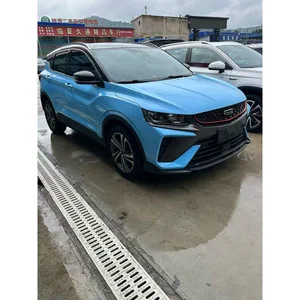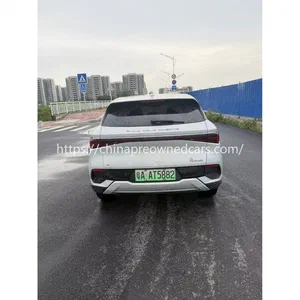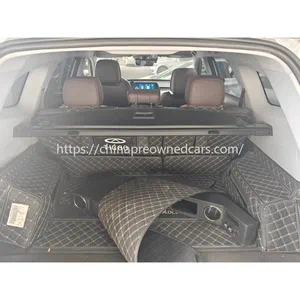
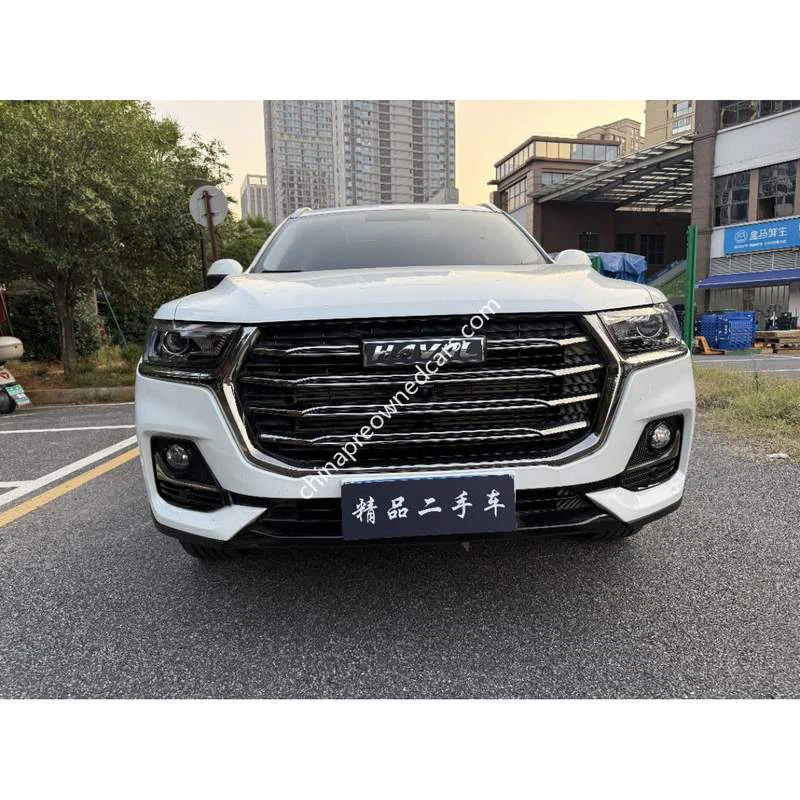
Overseas buyers looking to purchase used vehicles from China should focus on several key factors to ensure a successful transaction. This includes verifying the vehicle’s condition, assessing the credibility of the exporter, and understanding the necessary documentation and regulations for importation. The process can be straightforward with the right knowledge and preparation.
Mileage is a critical aspect to verify when buying a used car. Buyers should aim to obtain the vehicle’s service history, which provides insight into its maintenance and any past repairs. It is essential to check for any accident records as well, as these can affect both safety and resale value. For electric vehicles, the battery’s health is particularly important; buyers should request a battery state-of-health report to understand its current capacity and performance. Authenticating the vehicle identification number (VIN) can also prevent potential fraud, ensuring that the vehicle being purchased matches its documentation.
Documentation is a vital part of the export process. Buyers should request a pre-shipment inspection report, which confirms that the vehicle meets the required standards for export. Additionally, an export license and customs clearance paperwork are necessary for legal compliance. These documents should be carefully reviewed to ensure that they are complete and accurate. Missing or incorrect documentation can lead to delays or additional costs during shipping.
Understanding the exporter’s credibility is essential for a smooth transaction. Buyers should research the exporter’s reputation by looking for reviews and testimonials from previous clients. Engaging in direct communication can also help assess professionalism and responsiveness. Payment terms vary, but it is common for exporters to require a deposit upfront, with the balance due before shipping. Buyers should be cautious of deals that seem too good to be true, as they may indicate a lack of transparency.
Shipping procedures must also be taken into account. Exporting vehicles typically occurs via RoRo (Roll-on/Roll-off) or container shipping methods. RoRo shipping is generally more cost-effective but requires that vehicles be in operational condition. Container shipping provides added protection but may incur higher costs. Buyers should factor in shipping lead times, which can vary based on the destination and shipping method, generally ranging from 15 to 25 days. They should also confirm the destination market’s specific import regulations, which may include restrictions on vehicle age, emission standards, and drive side compatibility.

Finally, buyers should be aware of common pitfalls in the used car export process. Issues may arise from incomplete inspections, misleading vehicle histories, or exporter disputes. Establishing clear terms and conditions in writing can help prevent misunderstandings. After-sales support is also an important consideration, as some exporters may offer assistance with registration or additional services after the vehicle arrives.
FAQ
Q: What should I check before purchasing a used car?
A: Verify the vehicle’s mileage, service history, accident records, battery health for EVs, and the authenticity of the VIN.
Q: What documents do I need for importing a vehicle?
A: Request a pre-shipment inspection report, an export license, and customs clearance paperwork to ensure compliance with import regulations.
Q: How can I assess the credibility of a used vehicle exporter?
A: Research reviews and testimonials from past clients, and assess the exporter’s professionalism through direct communication.