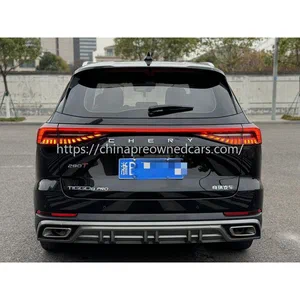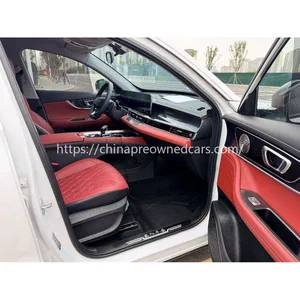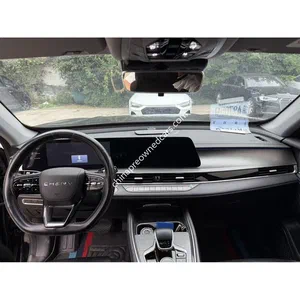
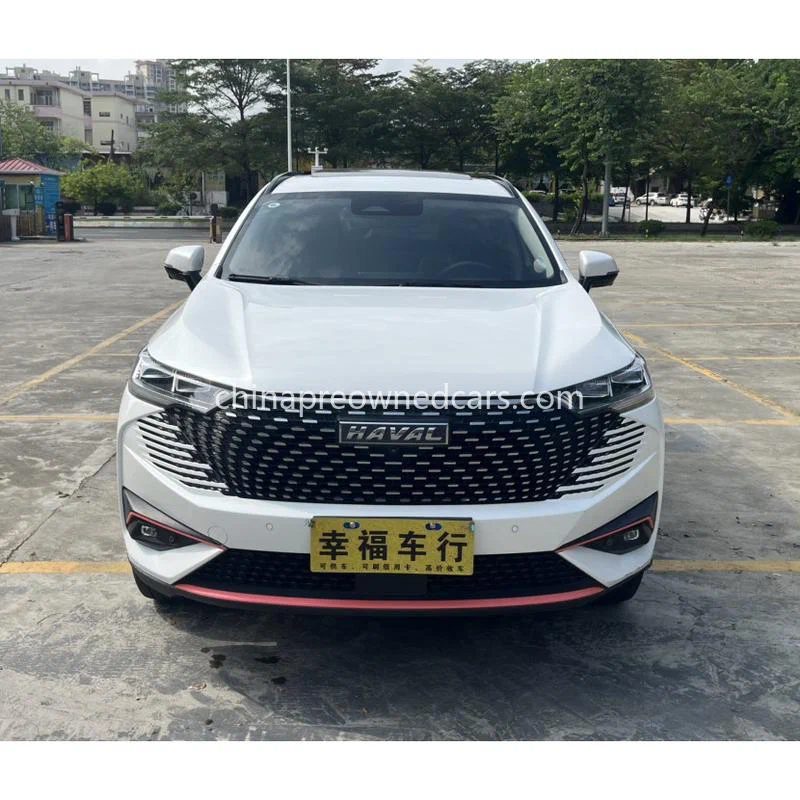
Electric SUVs have gained traction in various markets, particularly in regions such as Africa, the Middle East, and South America. Buyers considering these vehicles for export must take into account specific factors related to battery health, charging standards, and regional regulations. This article outlines key considerations when sourcing electric SUVs like the BYD Atto 3, Chery Tiggo 7 Plus, and others, especially for those looking for the best second hand car under 10k.
Battery State-of-Health Assessment
A crucial aspect of purchasing used electric vehicles is the assessment of battery state-of-health (SoH). Battery degradation can significantly impact a vehicle’s performance and resale value. Buyers should request documentation that includes battery capacity measurements and any previous maintenance records related to the battery system. A thorough examination can help determine if the battery still holds a charge adequately and whether it is suitable for the intended use in the destination market.
Charging Connector Standards
Different markets accept various charging standards, which can affect the usability of an electric vehicle. The most common standards include GB/T, CCS, and CHAdeMO. For example, China predominantly uses GB/T connectors, while many European and North American countries favor CCS. Buyers need to verify which standards are compatible with local charging infrastructure in their target markets, as this can impact the vehicle’s accessibility and convenience for end-users.
Battery Transport Regulations

Exporting electric vehicles involves adhering to stringent regulations concerning battery transport. Vehicles with lithium-ion batteries fall under UN 3480 regulations, classifying them as dangerous goods. Exporters must ensure compliance with these regulations to prevent delays or issues during shipping. This includes proper packaging and documentation to facilitate customs clearance. Buyers should confirm that their chosen exporter has experience handling these specific requirements, as this can streamline the entire shipping process.
Destination Charging Infrastructure
The availability of charging stations in the destination market is another consideration when exporting electric SUVs. Countries like Ghana, Nigeria, and Kenya are in various stages of developing their charging networks. Buyers should investigate the current infrastructure and projected growth in these markets to assess whether the imported vehicles will be practical for consumers. An electric vehicle may be less appealing if adequate charging options are not readily available.
Range and Battery Degradation
Range is a critical factor for electric vehicles, and it can be influenced by battery degradation. As batteries age, their capacity diminishes, which can lead to reduced driving range. Potential buyers should verify the original range specifications of the vehicle and compare them with current performance metrics. Understanding how much capacity a battery has lost will help in making informed purchasing decisions and in predicting the vehicle’s usability over time.
Practical Buyer Guidance
Before finalizing a purchase, buyers should verify several practical aspects. This includes ensuring that all relevant export documentation is in order, such as the export license and customs declarations. Payment terms should be clearly outlined, and buyers should expect shipping lead times that may vary from 15 to 25 days depending on the logistics involved. After-sales support is also essential; buyers should inquire about warranties or service options available in their markets.
FAQ
Q: What should I check regarding battery health before buying an electric SUV?
A: Buyers should request a battery state-of-health report and check for any maintenance records related to the battery system.
Q: Are there specific charging standards I need to consider for my market?
A: Yes, different regions use various charging standards such as GB/T, CCS, and CHAdeMO. It’s important to verify which standard is compatible with local infrastructure.
Q: How do I ensure compliance with battery transport regulations when exporting?
A: Work with an experienced exporter who understands UN 3480 regulations and can handle proper packaging and documentation for shipping electric vehicles.