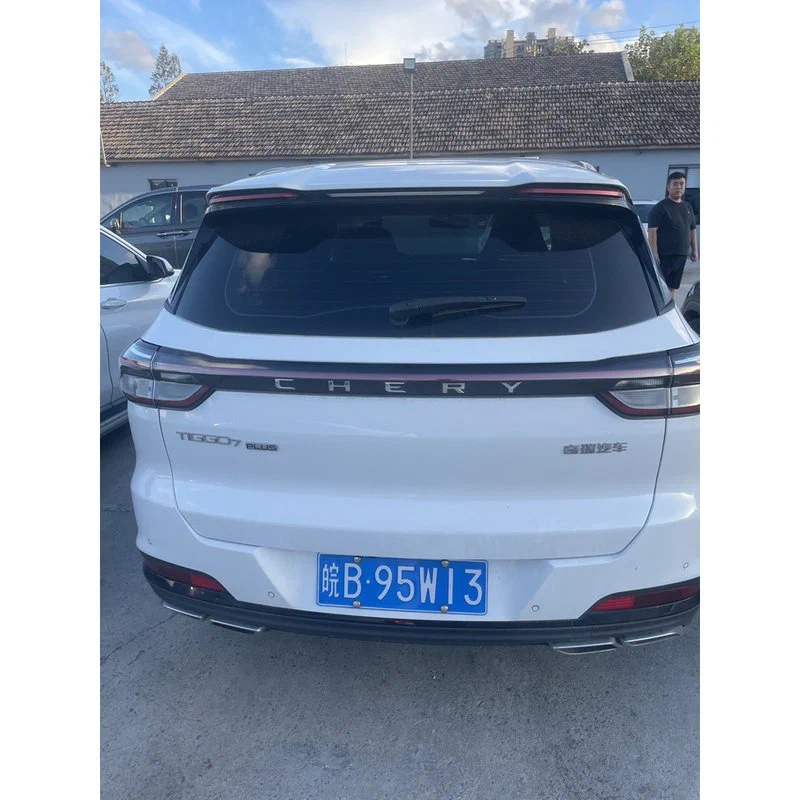
The export process for used vehicles, particularly electric and hybrid SUVs, involves several critical stages that ensure compliance with international regulations and quality standards. Understanding the workflow from pre-shipment inspection to shipping methods helps buyers make informed decisions. This article outlines the essential steps in the export process, particularly for vehicles like the BYD Atto 3, Chery Tiggo 7 Plus, and others available for export to markets in Africa, the Middle East, and South America.
Pre-shipment inspection is a fundamental phase in the export workflow. This inspection verifies that the vehicle meets quality and safety standards before shipping. Common checks include assessing the vehicle’s mechanical integrity, verifying the battery state of health for electric vehicles, and ensuring that all necessary documentation is in order. An inspection certificate may be issued, which is crucial for customs clearance at the destination. Buyers should ensure that they receive this certification as part of the documentation.
Export documentation is another vital component of the process. Key documents include the customs declaration, which outlines the vehicle details for customs authorities, the bill of lading that serves as a shipping contract, and the certificate of origin confirming where the vehicle was manufactured. Buyers need to have these documents ready for a smooth customs clearance process upon arrival in their respective countries. Additionally, ensuring that the documentation is complete and accurate helps mitigate any delays during shipping.
Shipping methods play a significant role in the export process. Two primary shipping methods are RoRo (Roll-on/Roll-off) and container shipping. RoRo is often more cost-effective for larger shipments and allows vehicles to be driven directly onto the vessel. However, it’s essential to consider the risk of potential damage during transit. Container shipping provides more protection and may be preferable for high-value vehicles or when shipping smaller quantities. Buyers should assess their needs and weigh the cost versus the potential risk of damage when choosing a shipping method.
Port handling and logistics are also important in the export workflow. Once the vehicle arrives at the destination port, it undergoes further customs checks. This phase may involve additional fees or taxes according to local regulations. Buyers should be aware of the specific import regulations in their country, which can vary widely. For example, some markets may have age limits or specific emission standards that must be met. Understanding these requirements ensures that the vehicle can be registered and used legally upon arrival.

Typical lead times for shipping can vary based on the chosen method and destination. For RoRo shipping, transit times are generally shorter, often ranging from 15 to 25 days, while container shipping may take longer due to additional handling and logistics. Buyers should plan accordingly and be prepared for potential delays that can arise from customs processing or unforeseen circumstances. Clear communication with the exporter regarding expected lead times is essential for effective planning.
Before completing a purchase, buyers should verify critical aspects of the vehicle. This includes checking the vehicle’s condition, mileage, and any available history reports. Engaging in a pre-purchase inspection can provide additional assurance regarding the vehicle’s status. Moreover, understanding payment terms and after-sales support offered by the exporter can facilitate a smoother transaction experience. Buyers must also be aware of shipping lead times and any potential after-sales services to ensure they are adequately supported after the purchase.
FAQ
Q: What is included in the pre-shipment inspection?
A: The pre-shipment inspection typically includes checks on the vehicle’s mechanical integrity, battery health for electric models, and verification of documentation.
Q: How do I know which shipping method is best for my vehicle?
A: The choice between RoRo and container shipping depends on factors such as cost, risk of damage, and the value of the vehicle; assessing these factors can guide your decision.
Q: What should I verify before purchasing a used vehicle?
A: Buyers should check the vehicle’s condition, mileage, and history, and consider engaging in a pre-purchase inspection for added assurance.