
Buying used preowned vehicles from a Chinese exporter requires more than checking photographs and agreeing on a price. Overseas buyers should verify the vehicle’s mileage, service records, accident history, VIN, and mechanical condition before making payment. For electric vehicles, battery health and charging compatibility also need attention. The exporter’s licensing, documentation process, and payment arrangements deserve the same scrutiny as the vehicle itself.
What should buyers check before paying for a used vehicle?
The first step is to establish that the vehicle being offered is the same one that will be inspected, purchased, and shipped. Request the full VIN and compare it against the vehicle identification plate, windscreen marking, registration documents, and available factory records. The VIN should be consistent across the relevant documents. Any mismatch needs a written explanation before the transaction proceeds. Buyers should also request clear photographs of the VIN markings rather than relying on a number typed into a quotation.
Mileage is another important check, but a low reading does not automatically indicate a better vehicle. Ask for the odometer reading alongside dated service invoices, maintenance records, and available inspection documents. Look for consistency between mileage, vehicle age, tyre wear, steering wheel condition, seat wear, and pedal condition. If the service history contains long unexplained gaps, the buyer should ask whether maintenance was performed outside an authorised service network. An exporter should be able to explain what records are available and identify information that cannot be independently confirmed.
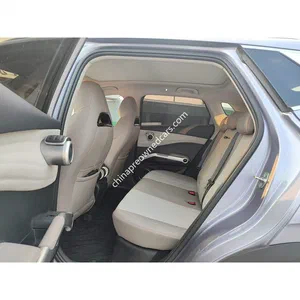
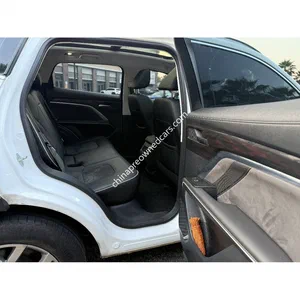
Accident history requires separate attention. Request photographs of the exterior, interior, engine compartment, underbody, and structural areas. Inspect door gaps, paint differences, repaired panels, glass markings, and signs of corrosion. A professional pre-shipment inspection should record visible damage, warning lights, tyre condition, fluid leaks, and the operation of major electrical systems. Buyers should distinguish between cosmetic repairs and structural damage. Evidence of chassis repairs, airbag deployment, or flood exposure deserves particular scrutiny. An inspection report is useful evidence, not a guarantee that every previous incident has been discovered.
What additional checks apply to Chinese electric and hybrid SUVs?
Battery condition is a major consideration when purchasing a pre-owned electric vehicle. For a BYD Atto 3, buyers should request available battery state-of-health information, diagnostic records, charging test results, and details of any battery repairs or replacements. State of health indicates the battery’s remaining capacity relative to its original condition, but the reported figure should be supported by a dated diagnostic record. A dashboard range estimate alone is not sufficient because driving conditions, temperature, tyre pressure, and previous usage can affect the displayed figure.
Charging compatibility also needs checking before shipment. Confirm the charging connector, supported charging standards, onboard charger specifications, and compatibility with the equipment available in the destination market. Buyers should establish whether the vehicle supports the local electricity supply and whether suitable charging equipment can be obtained. Battery transport arrangements are another issue. The exporter and shipping operator must account for applicable battery transport and safety requirements, including any necessary declarations and carrier acceptance procedures.
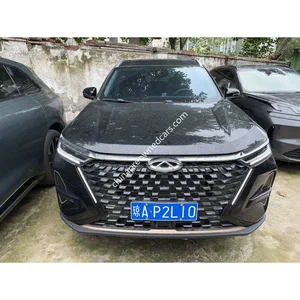
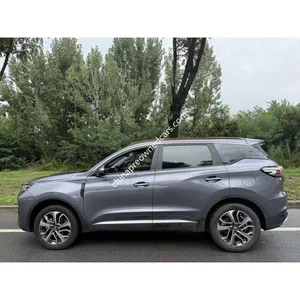
Hybrid vehicles require a different inspection approach. The petrol engine, electric motor, transmission, cooling system, and high-voltage battery should all be assessed. A Chery Tiggo 7 Plus or Chery Tiggo 8 Pro should be checked against its exact powertrain specification because equipment and drivetrain configurations can vary. Buyers considering a Geely Coolray or Haval H6 should also confirm the engine and transmission variant rather than relying on a model name alone. Specification differences can affect parts availability, maintenance costs, and suitability for local operating conditions. A vehicle that appears attractive in photographs may still require substantial preparation before it is ready for regular use.
What documents and exporter checks should be completed before payment?
A credible exporter should provide a clear documentary trail. Before transferring funds, request a pro forma invoice identifying the vehicle, VIN, agreed specification, purchase amount, payment schedule, and responsibility for shipping costs. The inspection report should correspond to that VIN and include the inspection date, mileage reading, photographs, identified defects, and test results where available. If repairs or preparation work are included in the agreement, those items should be listed separately rather than described vaguely as general vehicle preparation.
The exporter should also explain the Chinese export documentation process. Used vehicle exports require the appropriate export licensing, customs declaration, and pre-shipment inspection arrangements. Ask for confirmation that the exporting entity is authorised to handle the transaction and clarify which company will appear on the export documents. The final customs clearance paperwork and shipping documents should be provided according to the agreed transaction and shipping terms. Buyers should establish in advance which documents will be supplied before departure and which will follow after vessel loading.
Exporter credibility cannot be established through a professional website alone. Check the company’s registered business details, trading history, physical contact information, and ability to explain the export process. Request a sample inspection report with sensitive customer information removed, and compare its format with the report proposed for the actual vehicle. Confirm the receiving bank account belongs to the contracting company or obtain a documented explanation if a different entity receives payment. Be cautious about pressure to transfer funds before the VIN, vehicle condition, and contract details have been verified. A refusal to provide basic documentation is a reason to pause negotiations.
Payment terms should be written into the sales contract. International vehicle transactions commonly use a deposit followed by a balance payment at an agreed stage, such as after inspection or before shipment. The exact arrangement varies by exporter and transaction. Buyers should avoid paying the full amount solely on the basis of photographs or an informal message. The contract should specify the deposit’s treatment if the vehicle fails an agreed inspection requirement, how discrepancies are handled, and what happens if shipment cannot proceed. Bank transfer records, invoices, and written payment confirmations should be retained. Verbal promises about refunds or replacement vehicles offer limited protection when a dispute arises.

Common problems often begin with unclear responsibilities. A vehicle may pass a basic visual inspection but later reveal mechanical faults, missing accessories, or specification differences. Shipping costs may also change if port handling, storage, documentation, or inland transport were excluded from the original quotation. Buyers should request an itemised breakdown covering vehicle cost, inspection, export handling, customs procedures, freight, and any additional destination-side charges known at the time. Shipping can be arranged through RoRo or container transport. RoRo is generally suitable for vehicles accepted as operational cargo, while containers offer a different loading arrangement and may suit consolidated shipments or specific handling requirements. The chosen method, cargo insurance responsibility, and expected shipping schedule should be confirmed in writing.
Destination compliance must be checked before the vehicle is purchased. Ghana, Nigeria, Kenya, Uganda, and Tanzania each apply their own import requirements, which may include vehicle age restrictions, emission standards, roadworthiness conditions, and customs procedures. These rules can change, so buyers should confirm the current requirements with the relevant customs authority or a qualified local clearing agent. Drive side is especially important. Most Chinese domestic-market vehicles are left-hand drive, which may restrict their suitability in right-hand-drive markets unless the buyer has confirmed that the specific vehicle can legally be imported and registered. The final specification should also account for local parts availability, service support, fuel quality where relevant, and charging infrastructure for electric models. These checks should be completed before the deposit is released, not after the vehicle reaches the destination port.
FAQ
Q: What documents should I request before paying a Chinese used vehicle exporter?
A: Request a VIN-specific inspection report, pro forma invoice, exporter licensing information, and written payment and shipping terms. Confirm how customs clearance documents and the final shipping paperwork will be provided.
Q: Can I rely on the mileage and battery health figures supplied by the exporter?
A: No figure should be accepted without supporting evidence. Compare mileage against service records and inspection findings, and request dated diagnostic information for an EV battery’s state of health.
Q: What is the biggest risk when importing a used vehicle from China?
A: Buying a vehicle that does not meet destination-country requirements or differs from the agreed specification can create significant costs. Verify vehicle condition, VIN authenticity, export documentation, drive side, and current import rules before making payment.