An overseas buyer should verify a used vehicle’s mileage, service records, accident history, VIN, and mechanical condition before making payment. For electric vehicles, battery health requires separate checks, while export documents, shipping arrangements, and destination-country import rules must also be confirmed before the vehicle leaves China.
1. Check the Vehicle’s History and Physical Condition
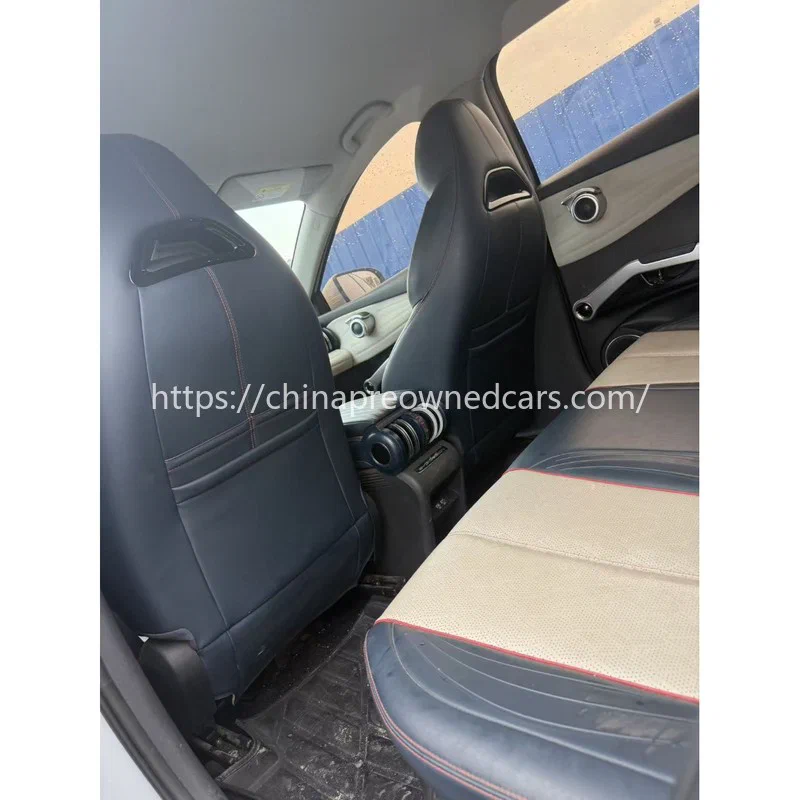
A useful used vehicle checklist starts with evidence rather than the seller’s description. Mileage is one of the first details to verify, but a low odometer reading does not automatically indicate a better vehicle. Compare the displayed mileage with available service records, maintenance invoices, inspection documents, and signs of wear inside the cabin. Steering wheel surfaces, pedals, driver seats, and door controls can provide clues about how the vehicle has been used. If the mileage cannot be supported by records, treat it as unverified.
Service history deserves equal attention. Ask for available maintenance records showing routine servicing, replacement parts, repairs, and any recurring mechanical problems. Check whether major components have been repaired or replaced. The accident record should also be reviewed. Look for evidence of structural repairs, paint differences between body panels, uneven panel gaps, replaced glass, and signs of chassis damage. A professional inspection should include the engine compartment, suspension, braking system, tyres, underbody, electrical systems, and diagnostic fault codes. Cosmetic repairs are not necessarily a reason to reject a vehicle, but undisclosed structural damage can affect safety and future resale value.
VIN verification is another essential step. Request clear photographs of the vehicle identification number on the body, the manufacturer’s identification plate, and the relevant registration or ownership documents. These details should match. Buyers should also check that the VIN has not been altered and that the vehicle’s model, production information, and configuration correspond with the seller’s description. For exports from China, discrepancies between identification records and export paperwork can delay customs processing or create problems during destination-country registration. Any unexplained mismatch should be resolved before payment.

2. Battery Health, Equipment and Model Suitability
Electric and hybrid vehicles require additional checks beyond those applied to conventional petrol vehicles. For a used BYD Atto 3, request a battery diagnostic report showing the available state-of-health information, current battery condition, reported capacity, and any recorded battery-related faults. State of health (SOH) is an important indicator, but it should not be considered a complete assessment on its own. Buyers should also ask about charging history where available, previous battery repairs, charging performance, and whether the vehicle has experienced prolonged storage or unusually demanding use. A qualified technician should check the battery management system and charging equipment. Battery transport requirements must also be addressed separately when arranging international shipping.
Hybrid models require inspection of both their combustion and electric systems. The battery, electric motor, transmission, cooling arrangements, and engine should be assessed together. A fault in one system can affect the operation of the entire vehicle. Buyers should also confirm whether the charging connector, charging cable, and onboard charging equipment are compatible with the intended market. Charging infrastructure differs across Ghana, Nigeria, Kenya, Uganda, and Tanzania, so local charging availability and connector compatibility should influence purchasing decisions.
Vehicle suitability also depends on the buyer’s intended use. The Chery Tiggo 7 Plus and Geely Coolray may suit buyers looking for compact SUV configurations, while the Chery Tiggo 8 Pro offers a larger vehicle layout. The Haval H6 provides another SUV option, and the BYD Atto 3 is an electric model. Equipment can vary by production year and configuration. Before confirming an order, request photographs and a written specification covering safety equipment, infotainment, driver assistance features, air conditioning, tyre condition, and included accessories. Do not assume that two vehicles carrying the same model name have identical equipment.
3. Export Documents, Payment and Shipping Checks
Before transferring funds, establish exactly which documents the exporter will provide and when each document becomes available. The buyer should request a pre-shipment inspection report covering the vehicle’s identification, mileage reading, visible condition, equipment, and inspection findings. The report should refer to the specific vehicle being purchased, not simply the same model. Ask for dated photographs or inspection videos to support the findings. An inspection report records the condition observed at a particular time; it does not guarantee that the vehicle will remain unchanged during storage or transport.
The exporter should also explain its export licensing arrangements and the documentation required for customs declaration in China. Relevant paperwork includes the commercial invoice, sales contract, packing list where applicable, export declaration records, and shipping documents. The export license and customs clearance paperwork should be handled through the appropriate authorized procedures. Buyers should clarify which documents will be supplied before departure and which will follow after shipment. Destination authorities may require additional ownership, conformity, inspection, or registration documents. Requirements should be confirmed with the relevant customs authority or a licensed clearing agent before the purchase is finalized.
Payment terms should be documented in a signed agreement. The contract should identify the vehicle by VIN, state the agreed specification and condition disclosures, explain the payment schedule, and define responsibility for inspection, export handling, port charges, and shipping. A staged payment arrangement may involve an initial deposit followed by a balance payment after agreed inspection and documentation milestones. Buyers should verify the beneficiary’s business identity and ensure that bank account details match the contracting entity. Avoid transferring money to unrelated personal accounts or accepting last-minute changes to payment instructions without independent verification.
Shipping arrangements need similar attention. RoRo shipping places the vehicle on a vessel’s vehicle deck, while container shipping loads it into a secured container. RoRo can be suitable for standard running vehicles where the route and service are available. Containers may offer additional protection and can accommodate different cargo arrangements, but loading, securing, and handling must be properly managed. Confirm the shipping method, destination port, insurance arrangements, expected transit range, and responsibility for port handling charges. Shipping schedules can change because of vessel availability, port congestion, customs inspections, and documentation delays.
Exporter credibility should be assessed before any commitment. Request the company’s registered business information, export experience, physical business contact details, and examples of completed shipments where these can be verified. Check whether staff can explain the export process clearly and provide consistent answers about inspection, payment, and shipping responsibilities. Be cautious of unusually low quotations, pressure to pay immediately, incomplete vehicle photographs, and refusal to provide VIN information. Common problems include mileage discrepancies, undisclosed accident repairs, battery faults, missing accessories, inconsistent paperwork, and unexpected destination charges. A written agreement should specify how discrepancies found before shipment will be handled. Buyers should also establish what after-sales assistance is available, including help with technical documents, spare parts enquiries, and communication if a vehicle arrives with a reported discrepancy.
FAQ
Q: What documents should I request before buying a used vehicle from China?
A: Request the VIN details, available service history, vehicle inspection report, signed sales contract, commercial invoice, and confirmation of the export licensing and customs declaration process. Also confirm which shipping and destination documents will be provided.
Q: How can I reduce the risk of receiving a vehicle in worse condition than expected?
A: Arrange a vehicle-specific pre-shipment inspection, request dated photographs and diagnostic records, verify the VIN, and document all agreed condition details in the contract. For electric vehicles, obtain a battery health assessment before approving the final payment.