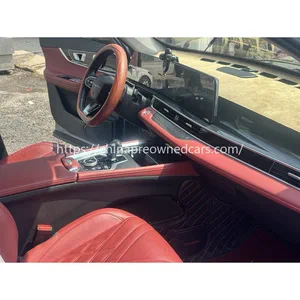

A second-hand car dealer specializes in selling pre-owned vehicles, often sourced from trade-ins, auctions, or individual sellers. These dealers typically provide a range of vehicles, including cars, trucks, and SUVs, and may offer services such as financing, warranties, and trade-in options.
In the context of Chinese used vehicle exports, second-hand car dealers play a crucial role in facilitating the purchase and export of vehicles like the BYD Atto 3 and Chery Tiggo 7 Plus to overseas markets such as Ghana and Nigeria. Buyers should focus on several key aspects when dealing with a dealer. First, it’s essential to check the dealer’s reputation, ensuring they have a history of positive customer experiences and reliable service. This can often be verified through online reviews or word-of-mouth recommendations.
Next, understanding the vehicle’s condition is vital. Dealers should provide detailed reports on the vehicle’s history, including mileage, service records, and any previous accidents. It’s recommended that buyers request a pre-purchase inspection to assess the vehicle’s condition independently. In addition, it’s important to inquire about the dealer’s return policy and any warranties they may offer, as these can provide additional security for the buyer.

When it comes to the export process, several steps must be followed. This includes pre-shipment inspections, which ensure the vehicle meets the importing country’s regulations and standards. Dealers should also assist with necessary documentation, such as export licenses and customs clearance, which are paramount for a smooth shipping experience. Vehicles can be shipped using either Roll-on/Roll-off (RoRo) methods or container shipping, each having its advantages and considerations based on cost and safety.
Specific market requirements must also be taken into account. For instance, most Chinese domestic vehicles, including the Haval H6, are left-hand drive, which is acceptable in many African countries but may not be suitable for others. Emission standards and vehicle age limits can vary widely by country, so it’s crucial for buyers to verify the current regulations in their destination market before finalizing any purchase.
Lastly, buyers should be aware of payment terms and shipping lead times. Payment methods can vary, and it’s crucial to discuss these upfront with the dealer to avoid any misunderstandings. Shipping lead times for used vehicles typically range from 15 to 25 days, depending on the destination and shipping method chosen.
FAQ
Q: What should I look for when buying a second-hand car?
A: Check the vehicle’s condition, history, and the dealer’s reputation. Always request a pre-purchase inspection and verify documentation.
Q: How do I ensure compliance with export regulations?
A: Work with a reputable dealer who can assist with export licensing, customs clearance, and pre-shipment inspections specific to your destination market.
Q: What vehicles are suitable for export to Africa?
A: Generally, left-hand drive vehicles like the BYD Atto 3 and Chery Tiggo 8 Pro are suitable, but it’s essential to confirm specific market regulations.