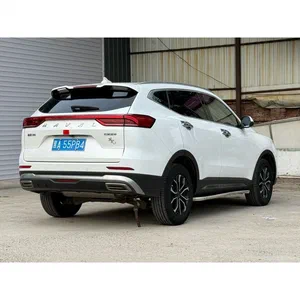
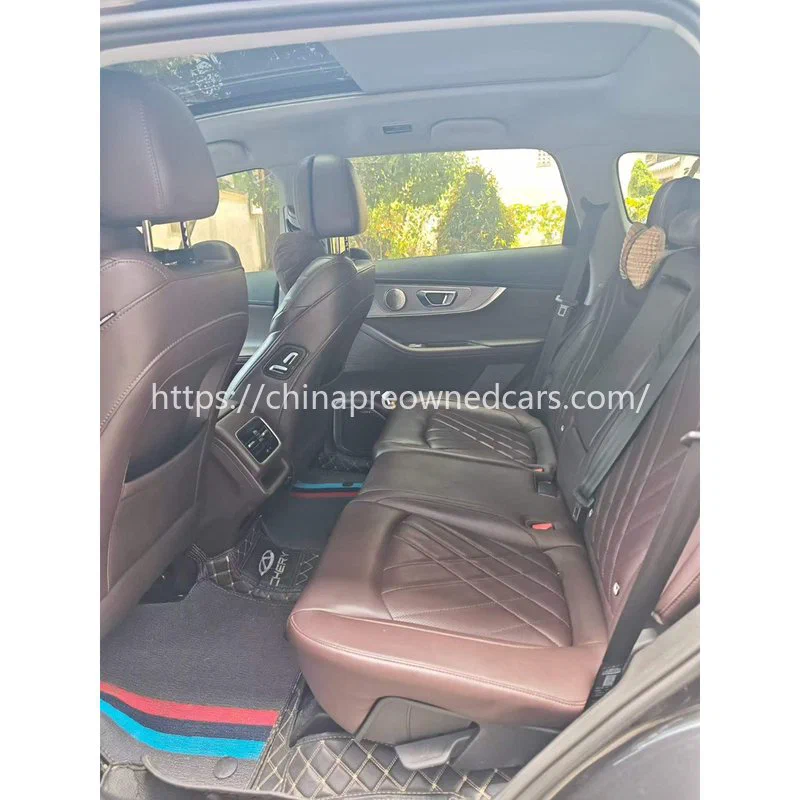
The Haval H6 has gained recognition as an export-friendly vehicle, particularly suited for markets in Africa, the Middle East, and South America. Its combination of practicality, performance, and local service support makes it a notable choice for buyers looking for the best used vehicles to buy in 2026. The following outlines key features, specifications, and considerations for buyers interested in the Haval H6.
Vehicle Specifications and Features
The Haval H6 typically comes equipped with a 1.5-liter turbocharged engine offering an efficient balance of power and fuel economy. This engine configuration delivers approximately 150 horsepower, paired with a 7-speed dual-clutch transmission, contributing to a smooth driving experience. The H6 is primarily designed as a left-hand drive vehicle, aligning well with the road requirements in many target markets. It also meets various emission standards, although buyers should verify specific regulatory compliance based on their destination.
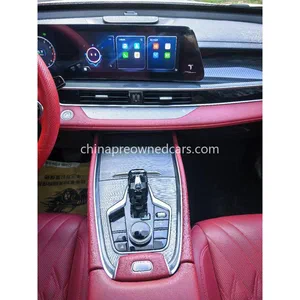
A significant advantage of the Haval H6 is its spacious interior and cargo capacity, which suits family use and commercial applications alike. The vehicle’s design includes advanced safety features, such as multiple airbags and electronic stability control, enhancing its appeal for safety-conscious buyers. Additionally, the H6 boasts a suite of technology options, including infotainment systems that support Bluetooth connectivity and navigation, making it a modern choice for everyday use.

Condition Grading and Practical Considerations
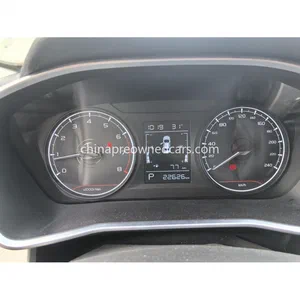
When sourcing a used Haval H6, condition grading is essential for ensuring quality. Buyers should expect vehicles to show varying degrees of wear, so it’s prudent to assess factors like exterior and interior condition, service history, and previous ownership. Typically, vehicles might be categorized as “good,” “fair,” or “excellent,” with corresponding expectations regarding mileage and maintenance. Conducting a thorough inspection, including a test drive, can help ascertain the vehicle’s operational status and comfort level.
Parts availability is another critical factor when considering the H6 for export. Haval has established a growing service network across many regions, which facilitates easier access to spare parts and maintenance support. This is particularly relevant in markets like Ghana, Nigeria, Kenya, Uganda, and Tanzania, where local service centers may already be equipped to handle Haval vehicles.
Export Procedures and Documentation
Exporting a used Haval H6 involves several logistical steps, including pre-shipment inspection, customs clearance, and choice of shipping method. Each vehicle must undergo a thorough inspection to comply with the destination country’s regulations. This includes confirming that the vehicle meets any age or emission standards set by the importing nation.
Documentation is equally crucial. Buyers will need to ensure proper export licensing and customs declarations are in order. Shipping can be done via Roll-on/Roll-off (RoRo) or container methods, depending on cost considerations and the volume of vehicles being exported. RoRo can be more economical, while container shipping offers added protection during transit.
Market-Specific Import Regulations
When importing the Haval H6, buyers must be aware of market-specific requirements that may affect the import process. Many African nations prefer left-hand drive vehicles, which corresponds to the H6 configuration. Additionally, emission standards can vary significantly between countries, and it’s essential to confirm current regulations before proceeding with a purchase.
Some regions may also impose age limits on vehicles, influencing which models are eligible for import. Buyers should conduct research or consult with local experts to ensure compliance with these regulations. Additionally, the vehicle’s roadworthiness and documentation will be scrutinized during customs clearance.
Practical Buyer Guidance
Before finalizing a purchase of the Haval H6, buyers should verify several key aspects. First, ensure the vehicle’s condition aligns with the seller’s description, focusing on any signs of damage or excessive wear. It’s advisable to check service records and ascertain the vehicle’s history, including previous accidents or major repairs.
Payment terms can also vary, so understanding the expectations and options available is crucial. Buyers often find that payment is required in advance, particularly when dealing with international transactions. Shipping lead times can range from 15 to 25 days depending on the chosen method, so planning ahead is recommended. After-sales support is another important consideration; ensuring that local service options are available can enhance the ownership experience.
FAQ
Q: What should I check when buying a used Haval H6 for export? A: Inspect the vehicle’s exterior and interior condition, review service history, and confirm compliance with local emission standards.
Q: How long does shipping typically take for a Haval H6? A: Shipping lead times usually range from 15 to 25 days, depending on the shipping method selected.
Q: What documentation is needed for exporting a Haval H6? A: Buyers must secure export licensing, customs declarations, and ensure the vehicle passes a pre-shipment inspection.