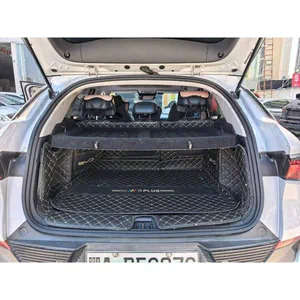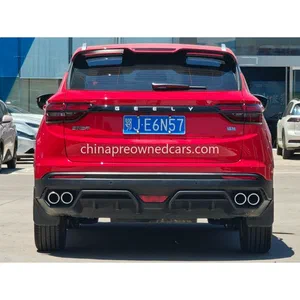
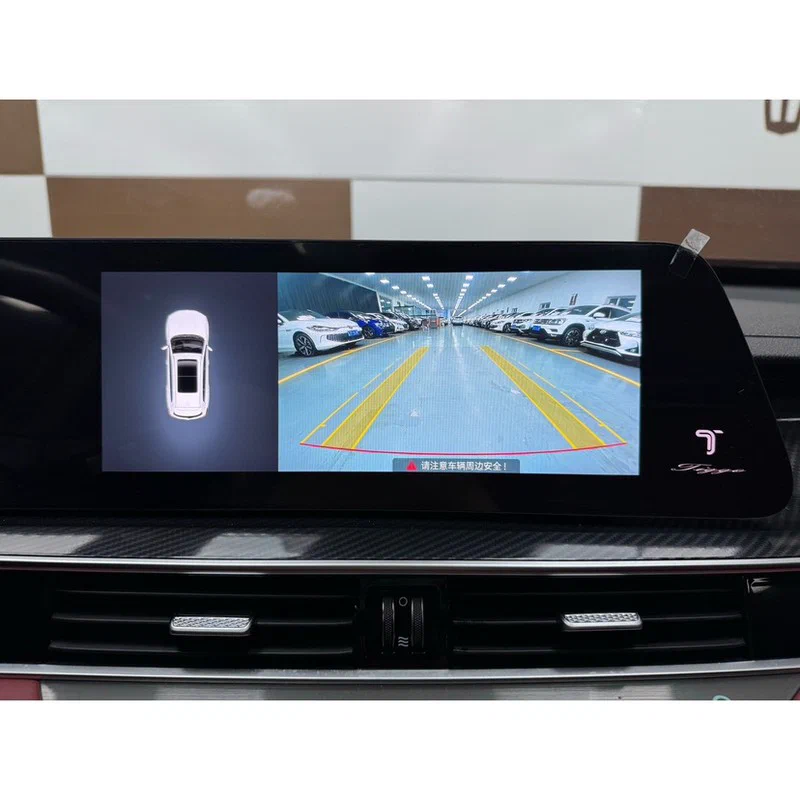
The export process for a used vehicle from China involves several stages, from confirming the vehicle’s condition to completing customs formalities and loading it for international shipment. For buyers in Ghana, Nigeria, Kenya, Uganda, and Tanzania, understanding these stages helps with purchase planning, documentation checks, and coordination at the destination port.
The process begins with vehicle selection and a pre-purchase inspection in China. Once a buyer identifies a suitable model, the exporter confirms its VIN, registration background, available service records, mileage information, and ownership documents. The inspection should cover the body panels, paint condition, chassis, underbody, tyres, brakes, suspension, steering, lights, windows, and interior equipment. The engine and transmission require operational checks on petrol and hybrid vehicles. For electric models such as the BYD Atto 3, battery state of health, charging performance, diagnostic warnings, and battery management system data also require attention. Inspection findings should be recorded with photographs and a written report before the buyer approves the vehicle for export.

Pre-shipment inspection follows the purchase approval and preparation stage. This assessment checks whether the vehicle matches the agreed specification and whether its condition is suitable for shipment and the destination market. A report may document visible damage, mechanical faults, warning indicators, tyre condition, odometer readings, and battery test results where applicable. The relevant export inspection documentation and any certification required by Chinese authorities must be confirmed for the specific shipment. There is no single certificate that replaces every destination country’s import requirements. Buyers should also distinguish between an inspection report and a formal government-issued certificate. The former records findings; the latter may be required under applicable export or import procedures. Any outstanding defects should be discussed before the vehicle moves to the port.
Export documentation is prepared alongside inspection and vehicle processing. The exporter must hold the applicable export licence and arrange the customs declaration through the required procedures. The commercial invoice identifies the transaction value and vehicle details, while the packing list records shipment information where applicable. A certificate of origin establishes the vehicle’s country of origin, subject to the issuing authority’s procedures. After the shipping line or carrier accepts the cargo, a bill of lading is issued as the principal transport document. The paperwork should use consistent information, particularly the VIN, make, model, year, consignee, and shipment details. Discrepancies can delay customs processing or complicate clearance at the destination. Buyers should receive copies for review before departure and confirm whether their clearing agent requires additional documents, translations, or attestations.
Shipping arrangements generally involve roll-on/roll-off (RoRo) transport or container loading. RoRo is suitable for vehicles that can be driven onto and off the vessel under their own power. It usually involves fewer loading operations and can be a practical option for standard passenger vehicles. However, the vehicle remains in a shared vessel environment, and access to it during transit is restricted. Container shipping places the vehicle inside a secured container, offering greater control over exposure to other cargo and allowing suitable protective materials to be used. It can be preferable for higher-value units or shipments requiring additional protection, although loading, securing, and handling add costs. Container dimensions, vehicle measurements, securing points, and loading arrangements must be checked in advance. Neither method eliminates the possibility of transport damage, so pre-loading photographs and condition records are useful when assessing any later claim.
Port handling begins when the vehicle reaches the export terminal. For RoRo shipments, the vehicle is checked into the terminal, processed against the booking, and directed to the designated loading area. For containers, the vehicle is positioned, secured, and inspected as part of the container loading process before the unit is sealed and transferred to the terminal. Port operators complete the necessary handling and vessel-loading procedures. The exporter and shipping agent coordinate the booking, cargo acceptance, customs release, and departure arrangements. Buyers should ask when terminal handover is expected and whether the quoted shipping arrangement includes inland transport, port handling, documentation charges, and other applicable fees. These costs are not always included in the same quotation. A clear breakdown helps prevent disputes over charges arising between the vehicle purchase and vessel departure.
Transit planning must account for more than the vessel’s sailing time. Vehicle sourcing, inspection, document preparation, customs processing, terminal acceptance, vessel schedules, and possible transshipment all affect the overall lead time. A shipment may be ready for loading but still wait for its booked vessel. Port congestion, weather, carrier schedule changes, and document corrections can add further delays. Buyers arranging imports into Ghana, Nigeria, Kenya, Uganda, or Tanzania should obtain an estimated shipping window and confirm whether the quoted period covers departure from China or arrival at the destination port. Destination customs clearance and inland delivery are separate stages and may extend the overall process. Before payment, the parties should agree on the payment milestones, the documents released at each stage, responsibility for shipping charges, and the procedure for handling delays or discrepancies.
Destination requirements need to be checked before a vehicle is purchased, not after it reaches the port. Ghana, Nigeria, Kenya, Uganda, and Tanzania each apply their own rules concerning vehicle age, emissions, roadworthiness, import duties, and documentation. These requirements can change, and eligibility may depend on vehicle category, fuel type, manufacturing date, or other factors. Most Chinese domestic-market vehicles are left-hand drive, so buyers must confirm that the destination accepts LHD vehicles before proceeding. Purely right-hand-drive markets require a specifically sourced vehicle where applicable. Electric and hybrid vehicles also need additional consideration, including battery condition, charging compatibility, transport arrangements, and local charging infrastructure. Buyers comparing the best used vehicle deals should assess the full landed cost rather than the purchase price alone. A vehicle that passes inspection in China may still be unsuitable for a particular import market. The final checks should therefore include confirmation from a destination-country customs broker, review of the shipping documents, and agreement on after-sales support for parts, diagnostics, and technical assistance.
FAQ
Q: What documents are required to export a used vehicle from China?
A: Common documents include the commercial invoice, customs declaration, certificate of origin, and bill of lading. Additional export inspection and destination-specific import documents may also be required.
Q: Is RoRo or container shipping better for used cars?
A: RoRo is generally suitable for standard vehicles that can be driven onto the vessel, while container shipping provides more control over cargo protection. The choice depends on vehicle value, handling requirements, shipping costs, and available services.
Q: How long does the used car export process take?
A: The overall timeline depends on sourcing, inspection, customs processing, vessel schedules, and port conditions. Buyers should request a shipment-specific estimate and distinguish the time to vessel departure from the full transit and destination clearance period.