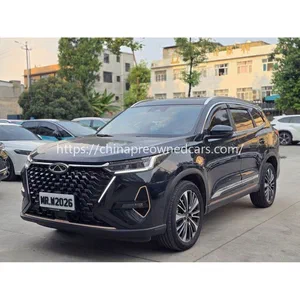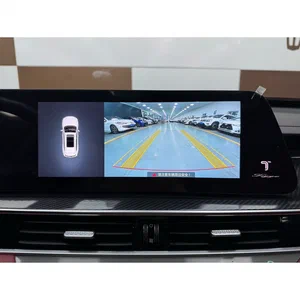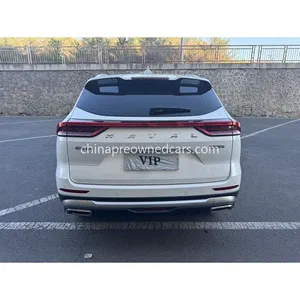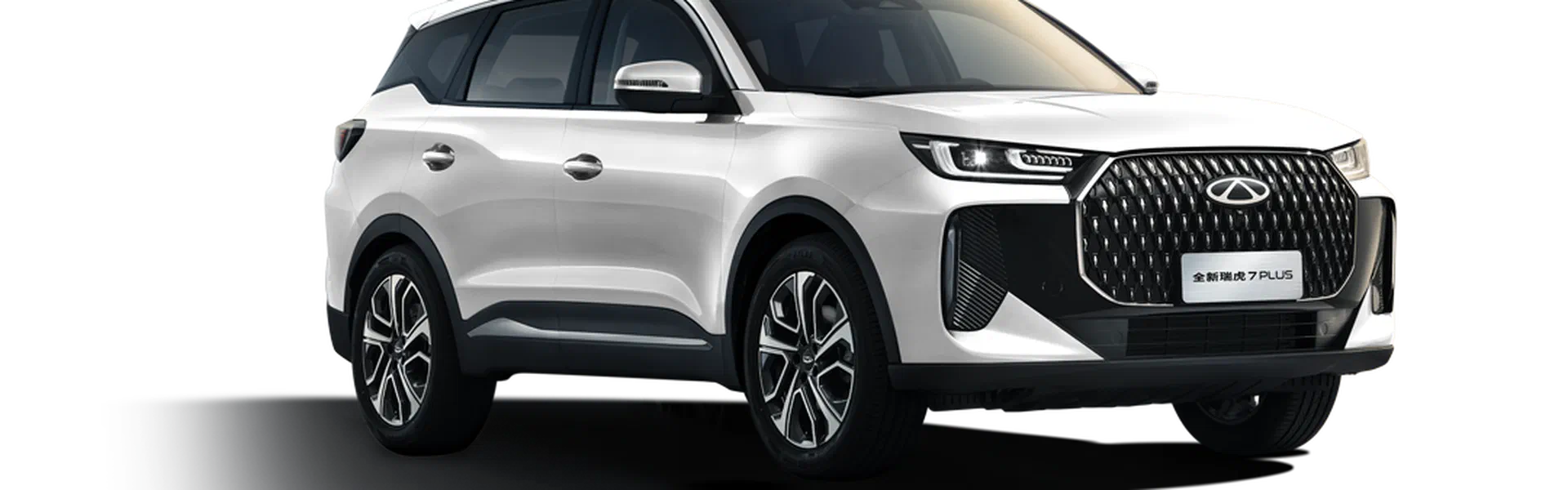
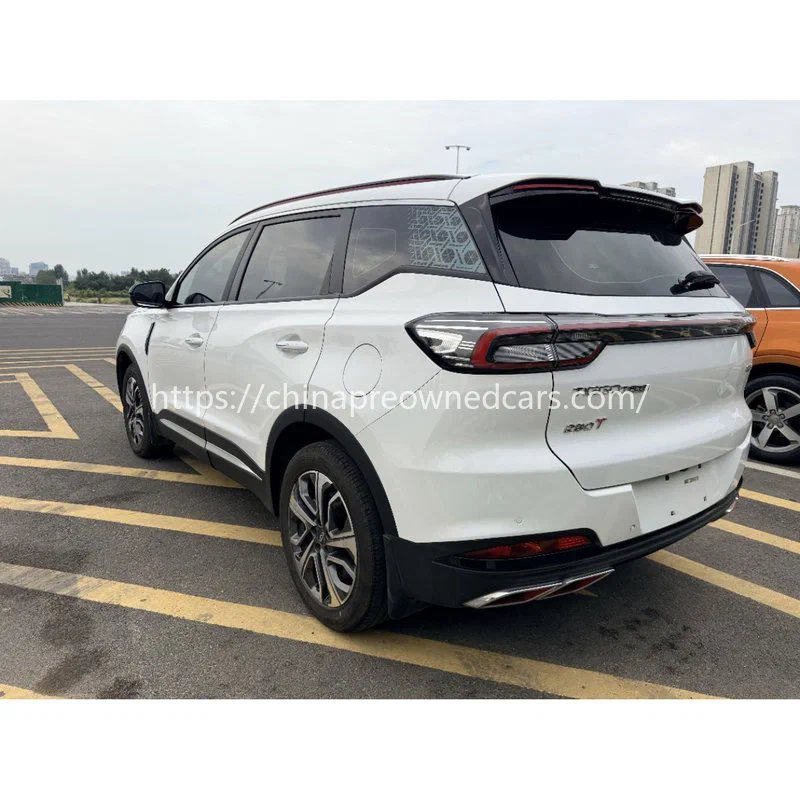
The export process for a used vehicle from China involves several stages, from sourcing and technical inspection to customs clearance, port handling and international shipping. Each stage produces information that overseas buyers need to review before the vehicle leaves China. For buyers in Ghana, Nigeria, Kenya, Uganda and Tanzania, understanding this sequence helps prevent documentation errors and unexpected delays.
Pre-Shipment Inspection: What Gets Checked
Once a vehicle has been selected, the exporter arranges a pre-shipment inspection before export preparation is completed. The inspection establishes the vehicle’s recorded condition and identifies defects that may affect its suitability for the destination market. It is not simply a visual check. The findings should be documented so the buyer can compare the vehicle received at the destination with its condition before loading.
The physical inspection normally covers the body panels, paintwork, glass, lights, tyres, wheels, interior fittings and visible signs of previous repairs. Inspectors also check the odometer reading against available service records and vehicle history information. The engine, transmission, braking system, steering and suspension require attention on combustion and hybrid models. A diagnostic scan can identify stored fault codes that are not visible during a stationary inspection. VIN verification is another essential step. The identification number on the vehicle should match the registration and export documents.
Electric and hybrid vehicles require additional checks. For a BYD Atto 3, battery state of health is particularly important because battery degradation affects usable driving range and future operating costs. The inspection should record available battery diagnostics, charging performance and warning messages. Hybrid vehicles also need checks of their high-voltage systems and the interaction between the combustion engine and electric drive. Buyers should request dated photographs, diagnostic records and the inspection report rather than relying on a general condition description.
Export Documentation and Customs Clearance
After inspection, the exporter prepares the paperwork required for the Chinese export process and the destination country’s import procedures. China’s used vehicle exports require the appropriate export licensing, customs declaration and applicable pre-shipment inspection documentation. The exact document package depends on the vehicle, export arrangement and importing country’s requirements. These requirements should be checked before the vehicle is committed to shipment.
The commercial invoice records the transaction value and vehicle details. The packing list, where applicable, identifies the shipment contents. The export customs declaration provides the information required by Chinese customs, while the bill of lading serves as the carrier’s transport document and records the shipment details. A certificate of origin may also be required by the importing authority or requested by the buyer’s clearing agent. VIN, model description, vehicle identification details and consignee information should remain consistent across the paperwork. Even a minor discrepancy can delay document processing or cargo release.
The exporter should also confirm that the vehicle is eligible for import into its intended destination. Ghana, Nigeria, Kenya, Uganda and Tanzania have their own rules concerning vehicle age, emissions, roadworthiness, documentation and applicable duties. These rules can change. A buyer arranging vw used cars or Chinese-brand SUVs should not assume that an import procedure accepted for one vehicle category applies to another. Most vehicles sourced from China’s domestic market are left-hand drive. This makes drive-side compatibility an important early check, particularly where local regulations restrict left-hand-drive vehicles.
Choosing a Shipping Method and Managing Port Handling
The two main shipping options are Roll-on/Roll-off (RoRo) and container transport. RoRo is generally suitable for operable vehicles that can be driven onto and off the vessel. It avoids the need to secure each vehicle inside an individual container and can be practical for larger shipments. However, vehicles travel through shared vessel and port handling environments. Buyers should consider the exposure to handling-related scratches, access restrictions and port procedures when choosing this option.
Container shipping provides a different arrangement. Vehicles are loaded and secured inside a container, either individually or as part of a consolidated shipment where the arrangement permits. This offers greater control over how the vehicle is positioned and secured during ocean transport. It can be preferable for higher-value vehicles or shipments requiring additional protection. The trade-off is the cost of container space, loading, lashing, unloading and related handling. Incorrect securing can also cause movement damage, so loading photographs and a documented securing procedure are useful records.
Port handling begins before the vessel departs. The exporter coordinates vehicle movement to the departure port, completes the required terminal procedures and arranges customs release before loading. After the shipping line accepts the cargo, the vehicle is loaded according to the selected method and the bill of lading is issued. Buyers should confirm the named departure and destination ports, consignee details, freight arrangements and responsibility for port charges. At destination, local customs clearance, inspection and vehicle collection are handled according to the importing country’s procedures.

Transit planning needs to account for more than the ocean voyage. Inland transportation to the Chinese port, export processing, vessel scheduling, transshipment where applicable and destination port congestion can all affect the overall lead time. A typical export schedule is therefore best presented as an estimated range rather than a guaranteed arrival date. Buyers should distinguish between preparation time, port waiting time and actual sea transit. A vessel booking confirmation does not mean the vehicle has already departed, and an estimated arrival date can change if the sailing schedule is revised.
For overseas buyers, a clear handover between the exporter, shipping line and destination clearing agent is important. Before dispatch, the buyer should receive the inspection report, vehicle photographs, VIN details and available export documents for review. After loading, the shipping reference and bill of lading details provide a basis for tracking the shipment. Any visible damage or discrepancy identified at destination should be recorded promptly with photographs and relevant delivery documents. For electric vehicles, battery condition records taken before shipment are particularly useful when assessing the vehicle after arrival.
FAQ
Q: Is a pre-shipment inspection compulsory for used vehicles exported from China?
A: Used vehicle exports from China require the applicable export licensing, customs declaration and pre-shipment inspection procedures. Buyers should confirm the required inspection documents for their specific vehicle and shipment.
Q: Is RoRo or container shipping better for used SUVs?
A: RoRo is often suitable for operable vehicles and can reduce handling complexity, while container shipping provides more control over vehicle positioning and protection. The choice depends on shipment size, budget, vehicle condition and destination arrangements.
Q: How long does it take to ship a used vehicle from China to Africa?
A: The overall schedule depends on inspection, export documentation, port handling, vessel availability and sea transit. Buyers should request a shipment-specific estimate and allow for possible changes in sailing schedules and destination clearance.