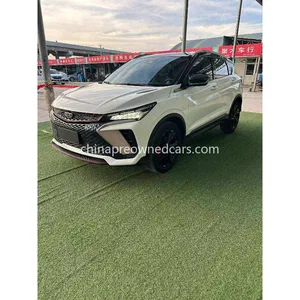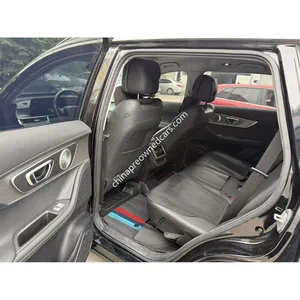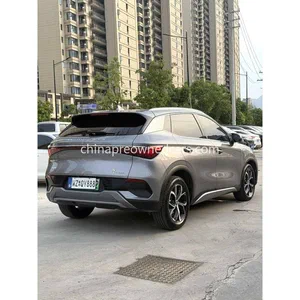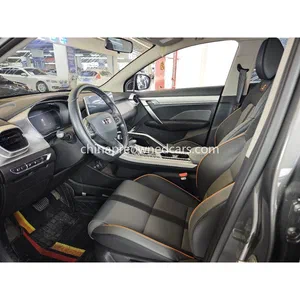
Affordable used SUVs for Ghana need to meet more than a purchase-price target. Road surfaces, seasonal rainfall, left-hand-drive requirements, import costs and access to maintenance all influence whether a vehicle represents good value after arrival. Chinese SUVs are gaining attention among Ghanaian buyers, but their suitability depends on the individual model, its condition and the buyer’s intended use.
Ghana’s SUV Market: Changing Preferences and Price Expectations
Ghana’s used vehicle market has traditionally favoured Japanese and European imports, particularly Toyota, Nissan, Hyundai and Honda. Familiarity with these brands, established repair networks and access to replacement parts remain important purchasing considerations. However, Chinese manufacturers are becoming more visible in the market. BYD, Chery, Geely and Haval are attracting interest from buyers looking for newer equipment and competitive specifications without moving into premium price categories. This shift is not a complete departure from established brands. Rather, it reflects a broader comparison between purchase price, vehicle age, equipment and expected ownership costs. For importers, Chinese used SUVs offer another sourcing channel, particularly when older Japanese alternatives have similar landed costs but fewer modern features.
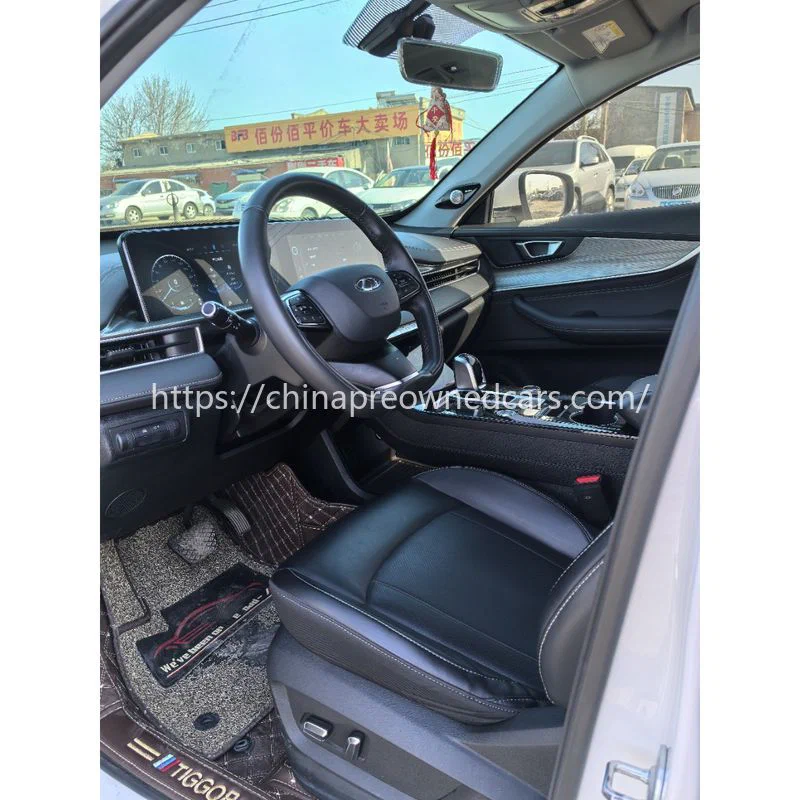
Affordability still determines much of the purchasing decision. Searches for used cars 6000 and under reflect the budget-conscious end of the market, but an advertised vehicle price should not be confused with the final cost of importing an SUV into Ghana. Freight, insurance, customs duties, port handling, inspection and clearing charges all affect the landed cost. A buyer comparing a Geely Coolray with an older Japanese compact SUV should therefore compare vehicles at equivalent stages of the purchasing process. The Coolray’s compact dimensions and urban-oriented format may suit private commuters, while the Chery Tiggo 7 Plus offers a different proposition for households needing more passenger and luggage space. Neither model should be selected on price alone. Equipment, service requirements and resale prospects also influence the commercial calculation.
Road Conditions, Vehicle Selection and Powertrain Suitability
Ghana’s road conditions create specific demands on suspension, tyres, ground clearance and cooling systems. Major routes around Accra and Kumasi include established paved roads, but secondary roads can have uneven surfaces, potholes and deteriorated sections. Heavy rainfall can worsen road conditions and contribute to local flooding. The Ghana Ministry of Roads and Highways has previously reported rain-related pothole deterioration, illustrating why road suitability should be assessed beyond a vehicle’s appearance. Buyers should examine suspension joints, shock absorbers, underbody components, tyre condition and wheel alignment before committing to an export purchase. Ground clearance is particularly relevant for drivers who regularly travel beyond urban centres. The Haval H6 and Chery Tiggo 8 Pro offer larger SUV formats, while the Geely Coolray is a more compact option. Actual suitability depends on the specific vehicle’s configuration and mechanical condition.
Powertrain choice requires a separate assessment. The BYD Atto 3 is a battery-electric SUV, making charging access and battery condition central to its suitability. Ghana’s EV charging network is developing, but public charging availability remains concentrated around Accra rather than evenly distributed nationwide. Buyers planning regular intercity journeys should establish where charging is available along their routes and whether reliable home charging can be installed. Battery state of health, diagnostic records, charging performance and battery cooling operation should be checked before purchase. Shipping an electric vehicle also requires appropriate battery documentation and carrier acceptance. Petrol-powered examples of the Chery Tiggo 7 Plus, Chery Tiggo 8 Pro, Geely Coolray and Haval H6 may offer more straightforward refuelling arrangements for buyers travelling outside major cities. However, the precise engine and powertrain specification must be verified for each unit rather than assumed from its model name.
A practical comparison with European and Japanese alternatives also needs to account for local repair capacity. Japanese used SUVs retain an advantage in familiarity and established parts distribution, while European vehicles can offer attractive comfort and equipment but may involve more specialised servicing. Chinese models compete through relatively recent designs, infotainment equipment, driver assistance features and interior specifications. The BYD Atto 3 adds an electric option for buyers with suitable charging arrangements. The Chery Tiggo 8 Pro addresses larger-family requirements, while the Tiggo 7 Plus and Haval H6 occupy the broader family SUV category. Geely Coolray appeals to buyers prioritising a smaller footprint. These are positioning differences, not guarantees of reliability. Before purchase, importers should request photographs, maintenance records, diagnostic results and an independent assessment of mechanical and structural condition. VIN verification should also establish the vehicle’s identity and available history.

Import Compliance and the Landed-Cost Calculation
Left-hand drive is a fundamental selection requirement in Ghana. The country’s road system is configured for left-hand-drive vehicles, and Ghana Revenue Authority guidance states that right-hand-steering imports are generally prohibited, subject to a specific ministerial dispensation process. Most Chinese domestic-market vehicles are left-hand drive, making the sourcing market broadly compatible with Ghana’s requirements. Nevertheless, steering position must be confirmed on the actual vehicle before payment. Importers must also check the current vehicle-age restrictions and applicable standards. Ghana’s vehicle import framework has undergone regulatory developments, including requirements concerning pre-shipment conformity inspection and vehicle condition. Flood-damaged, fire-damaged and structurally compromised vehicles present serious compliance concerns. Buyers should confirm the applicable Ghana Standards Authority requirements before shipment rather than relying on an older import guide.
The export process begins with vehicle identification, inspection and agreement on the purchase terms. The exporter then coordinates the required export licensing, documentation, customs declaration and pre-shipment inspection. Depending on vehicle dimensions, shipping arrangements and cost considerations, the SUV can travel by roll-on/roll-off (RoRo) or in a container. RoRo is commonly considered for operational vehicles, while container shipping can provide additional protection and may suit consolidated cargo arrangements. Required documents should be agreed before dispatch, including the commercial invoice, vehicle ownership or title documents, export clearance records and bill of lading. On arrival in Ghana, the importer completes the local customs clearance process and pays applicable duties and charges. The Ghana Revenue Authority provides an ICUMS vehicle-duty calculation facility using the VIN or chassis number, make, model and year. This is a more appropriate starting point than relying on an informal duty estimate. Payment arrangements, inspection responsibilities, shipping schedules and after-sales assistance should also be documented in the purchase agreement. Similar considerations apply to buyers sourcing vehicles for Nigeria, Kenya, Uganda and Tanzania, although their individual import rules must be checked separately.
FAQ
Q: Are Chinese used SUVs suitable for Ghana’s road conditions?
A: They can be suitable when ground clearance, suspension condition, tyres and mechanical components are appropriate for the intended routes. A pre-shipment inspection should identify defects before the vehicle leaves China.
Q: Is the BYD Atto 3 a practical choice for buyers in Ghana?
A: It can suit buyers with dependable home or workplace charging and access to suitable public charging facilities. Battery state of health, charging compatibility and the intended driving range should be verified before purchase.