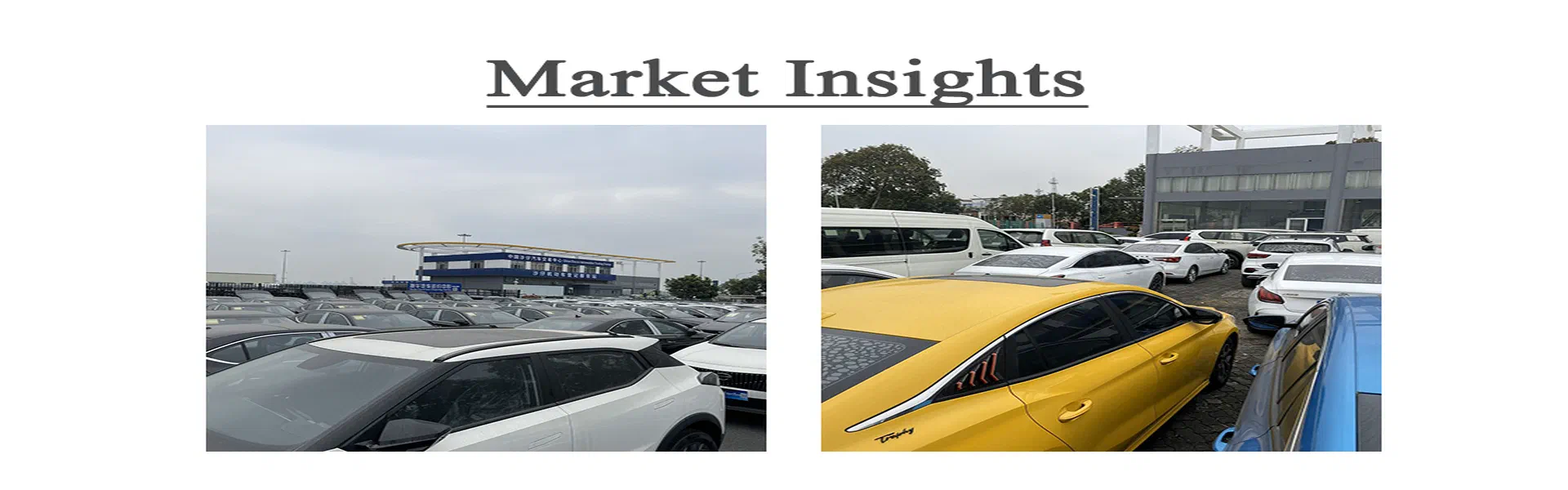
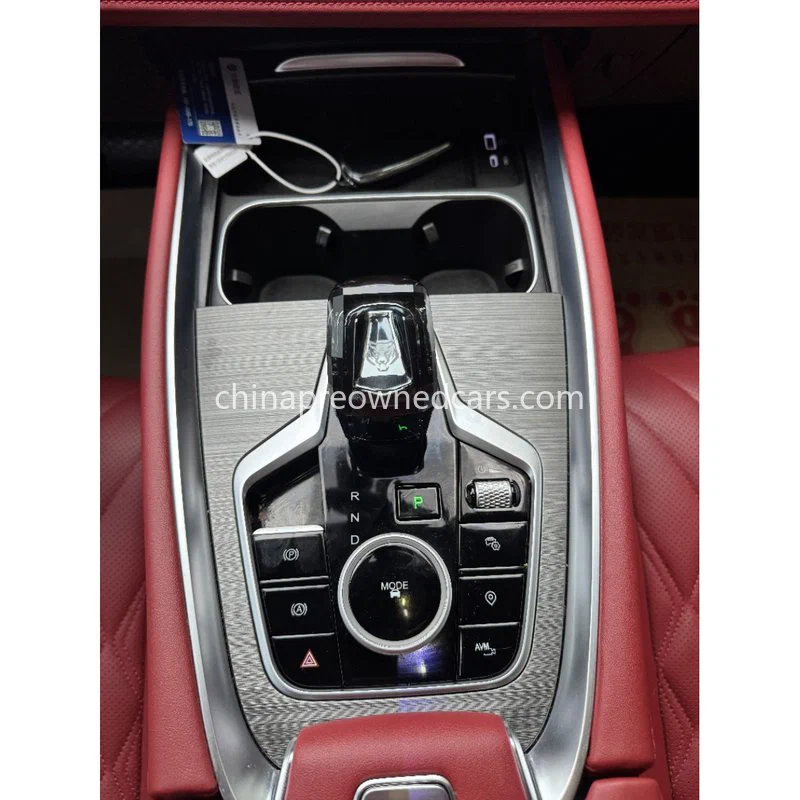
Hybrid SUV demand in East Africa depends on more than fuel economy. Buyers in Ghana, Nigeria, Kenya, Uganda, and Tanzania must weigh vehicle configuration, import regulations, road conditions, fuel availability, and the cost of maintaining an electrified powertrain. Chinese used SUVs are gaining a place in this discussion, but their suitability varies by model and destination market.
East African Market Demand and Vehicle Suitability
Demand for SUVs in East Africa reflects practical ownership requirements. Ground clearance, cabin space, air conditioning performance, and access to replacement parts often matter as much as purchase price. Japanese and European used vehicles have established recognition in these markets, supported by familiar service networks and a long history of imports. Chinese brands are competing by offering newer model designs, modern cabin equipment, and competitive positioning in the pre-owned segment.
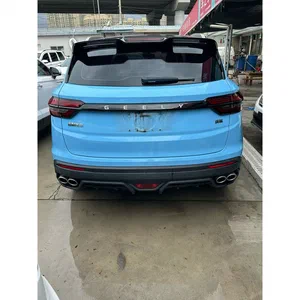
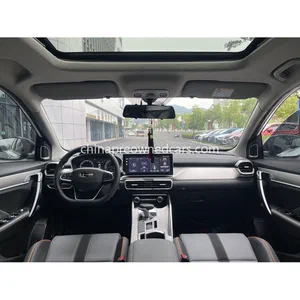
The Haval H6 and Chery Tiggo 8 Pro address buyers looking for larger family SUVs. Their cabin space and road presence suit households that regularly travel with passengers or luggage. The Geely Coolray occupies a different position, appealing to buyers who prefer a smaller urban SUV with a more compact footprint. The Chery Tiggo 7 Plus sits between these categories, offering a practical alternative for buyers who need more space than a compact crossover. These models are not interchangeable. Buyers should compare seating requirements, ground clearance, engine configuration, fuel consumption, and maintenance access before choosing.
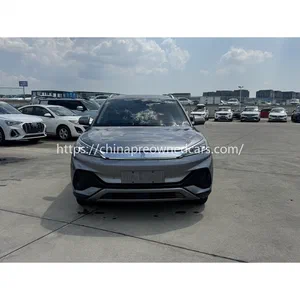
The BYD Atto 3 represents a separate market proposition because it is a fully electric SUV rather than a conventional hybrid. Its running costs can be attractive where charging is accessible and electricity supply is dependable. However, charging access remains uneven across East African cities and rural areas. Buyers in Kenya, Ghana, and Nigeria should assess home charging possibilities, public charging coverage, electricity reliability, and the availability of technicians familiar with high-voltage systems. An electric SUV may suit an urban owner with predictable daily travel, but it is less straightforward for long-distance routes with limited charging options.
Import Conditions, Road Use and Ownership Costs
Vehicle configuration is an early screening issue. Most vehicles sourced from China’s domestic market are left-hand drive (LHD). Kenya, Uganda, and Tanzania operate predominantly right-hand-drive road systems, while Ghana and Nigeria also have specific vehicle import and road-use requirements that buyers must check before shipment. A left-hand-drive vehicle should never be assumed eligible simply because it can be purchased and exported from China. Buyers need confirmation from the relevant destination authorities before committing funds. The same principle applies to vehicle age restrictions, emissions requirements, roadworthiness rules, and any restrictions affecting hybrid or electric vehicles.
Road and climate conditions also influence model selection. Paved urban roads are suitable for a wider range of crossovers, while rough secondary roads, potholes, and uneven surfaces place greater demands on suspension components, tyres, and ground clearance. In hotter regions, cooling system performance and air conditioning condition deserve particular attention. Dust exposure can affect air filters, cabin filtration, and electrical connections. A used SUV that performs well in a controlled inspection environment may still require maintenance before regular operation on demanding local routes.
Import costs extend beyond the vehicle purchase price. Duties, taxes, port charges, customs procedures, inspection fees, and local registration costs can materially change the landed cost. These charges differ between Ghana, Nigeria, Kenya, Uganda, and Tanzania, and their applicable rules can change. Buyers should obtain a current landed-cost estimate from a local clearing agent before confirming an order. China’s used vehicle export process also requires the appropriate export licensing, customs declaration, and pre-shipment inspection. Shipping can be arranged through roll-on/roll-off (RoRo) services or container loading, depending on the vehicle, route, and buyer’s requirements. Documentation should be checked against the destination country’s import procedures before departure.
Model Selection and Export Checks
Chinese SUVs compete with established Japanese and European alternatives on a different ownership calculation. Japanese vehicles often benefit from broader parts availability and stronger familiarity among independent mechanics. European models may offer attractive equipment and driving characteristics but can carry higher maintenance costs for certain components. Chinese pre-owned vehicles can provide access to more recent designs and features at competitive purchase positions. Their disadvantage is that brand familiarity, resale demand, diagnostic equipment, and replacement-part distribution are not equally developed in every East African market. A lower initial purchase price does not automatically mean a lower total ownership cost.
The buying a used car pros and cons assessment should therefore include the vehicle’s actual condition and its future service requirements. Buyers should request the VIN, manufacturing and registration records, available service history, mileage evidence, accident and repair disclosures, and detailed photographs. An independent inspection should cover the engine or electric drive system, transmission, suspension, braking system, tyres, bodywork, and electronic functions. For hybrid models, the battery and hybrid control system need appropriate diagnostic checks. For the BYD Atto 3, battery state of health, charging performance, diagnostic fault records, and available battery documentation deserve particular attention. Battery condition should be assessed through recorded diagnostic results rather than appearance or a seller’s verbal estimate.

Export preparation should follow the same evidence-based approach. A pre-shipment inspection provides an opportunity to document visible condition, equipment operation, VIN consistency, and relevant mechanical findings before the vehicle leaves China. For electric and hybrid vehicles, battery-related transport requirements must also be considered. RoRo shipping generally allows a vehicle to be driven onto and off the vessel, while container shipping places it inside a secured freight container. The appropriate method depends on shipping availability, vehicle dimensions, route arrangements, and the buyer’s preference. Export documentation, inspection records, shipping documents, and customs paperwork should be coordinated before dispatch. Buyers should also establish payment milestones, responsibility for port charges, expected shipping arrangements, and the scope of after-sales support in writing.
For East African importers, the strongest purchasing decision starts with destination eligibility rather than model preference. A Chery Tiggo 8 Pro or Haval H6 may suit a buyer seeking a larger SUV, while a Geely Coolray may be more appropriate for predominantly urban use. The BYD Atto 3 requires a stronger charging and battery-support assessment. Before selecting any unit, buyers should confirm drive-side eligibility, current import rules, landed costs, and local service options. chinapreownedcars.com sources Chinese pre-owned vehicles and coordinates inspection, export documentation, and shipping arrangements. The final purchase decision should rest on verified vehicle records and a clear understanding of the costs and responsibilities on both sides of the transaction.
FAQ
Q: Are Chinese hybrid SUVs suitable for use in Kenya, Uganda, and Tanzania?
A: They may be suitable where the vehicle meets local import and drive-side requirements and has accessible maintenance support. Most Chinese domestic-market vehicles are left-hand drive, so eligibility must be confirmed before purchase.
Q: Is the BYD Atto 3 a practical alternative to a hybrid SUV in East Africa?
A: It can work for owners with dependable charging access and suitable daily driving routes. Buyers should verify battery state of health, charging compatibility, and local high-voltage service availability before importing.