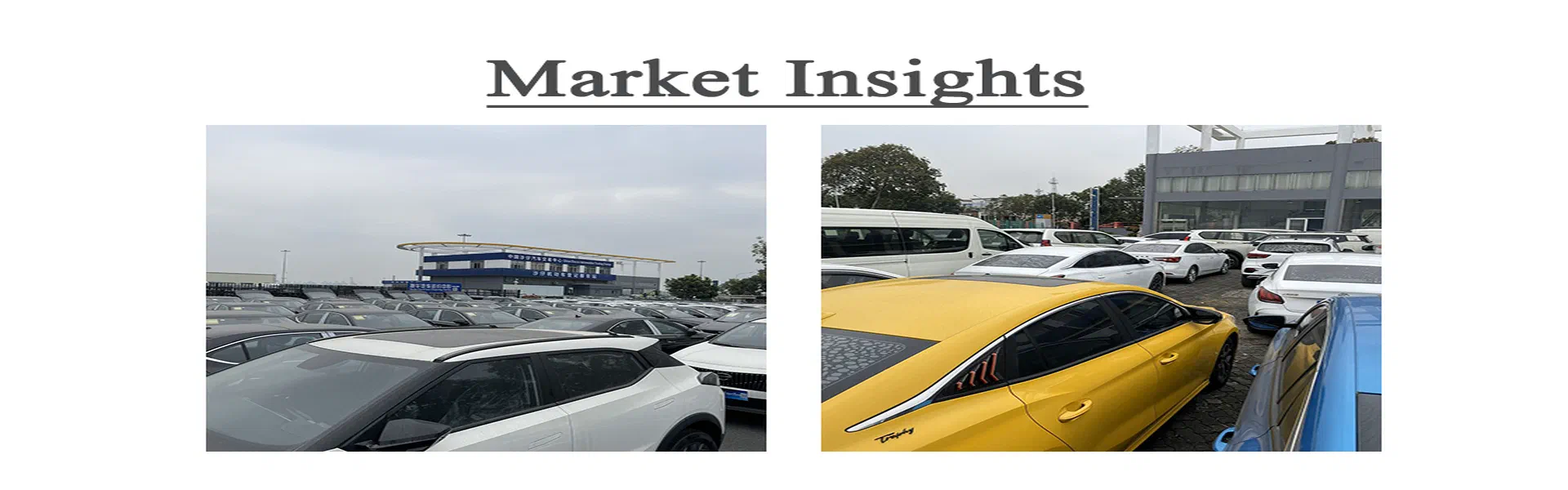

The assessment of used vehicles is critical for buyers looking to import into markets such as Ghana, Nigeria, Kenya, Uganda, and Tanzania. Understanding how vehicles are graded, along with the inspection processes involved, can significantly impact purchasing decisions. This article will explore vehicle condition grading, inspection protocols, and specific market requirements, providing practical guidance for buyers.
Vehicle Grading and Condition
Used vehicles are typically graded based on several factors, including cosmetic condition, mechanical health, mileage, and service history. The grading system often ranges from A to D, with ‘A’ representing excellent condition and ‘D’ indicating a vehicle that requires significant repairs. Buyers should pay close attention to the cosmetic aspects, such as paint quality and interior wear, as these can affect resale value. Mechanical health is equally important; it encompasses the engine, transmission, and other critical systems.
Mileage plays a substantial role in vehicle assessment. Generally, a vehicle with lower mileage is perceived as more desirable. However, maintenance history can often outweigh mileage considerations; a well-maintained vehicle with higher mileage may be a better option than a low-mileage vehicle with a poor service record. Buyers should request documentation that details maintenance and repairs.
Inspection and Verification
Pre-shipment inspections are a standard procedure in the used vehicle export process. These inspections assess the vehicle’s overall condition, including its mechanical and cosmetic features. However, it’s crucial to understand that inspections might not cover every detail. For instance, while an inspector may evaluate the engine’s performance, they might not thoroughly check for issues such as hidden frame damage.
Buyers should verify claims made by sellers regarding vehicle condition. This can be done by requesting a full service history and any inspection reports. It is also advisable to conduct an independent inspection if possible. Red flags include significant rust, signs of previous accidents, or discrepancies in the vehicle’s service history.
Export-Grade vs. Dealer-Grade Vehicles

The terms “export-grade” and “dealer-grade” often come up in discussions about used vehicles. Export-grade vehicles are typically those that meet specific requirements for international markets, such as compliance with emission standards and necessary documentation for customs clearance. Dealer-grade vehicles, on the other hand, may not have undergone the same scrutiny and could present a higher risk for buyers.
Understanding these distinctions can help buyers make informed decisions. Export-grade vehicles are more likely to have undergone rigorous inspections, making them a safer option for import. Buyers should inquire about the specific grading criteria used by the exporter.
Market-Specific Requirements
Different markets have unique import regulations that can affect the suitability of used vehicles. For example, many African countries prefer left-hand drive vehicles, which aligns with the majority of Chinese-brand SUVs like the BYD Atto 3 and Chery Tiggo 7 Plus. Emission standards may also vary significantly; thus, verifying compliance with local regulations is essential before making a purchase.
Additionally, buyers should be aware of age limits and other restrictions that may apply to vehicle imports. These regulations can change frequently, so consulting with a local expert or the relevant authorities is advisable.
Payment Terms and Shipping Considerations
Understanding payment terms is critical for a smooth transaction. Many exporters offer a variety of payment options, but buyers should be cautious of upfront payments without guarantees. Secure payment methods that provide buyer protection can mitigate risks.
Shipping methods also play a role in the overall process. Vehicles can be shipped via Roll-on/Roll-off (RoRo) or in containers. RoRo is typically more cost-effective but requires vehicles to be in running condition. Container shipping offers more protection, especially for valuable vehicles, but may incur higher costs. Buyers should weigh these options carefully based on their budget and the vehicle’s condition.
After-Sales Support and Final Checks
After-sales support is another vital aspect to consider when purchasing a used vehicle. Reliable exporters will often provide some level of after-sales service, which may include warranty options or assistance with registration in the destination country. Buyers should clarify what support will be available post-purchase.
Before finalizing any transaction, it is prudent to conduct a last round of checks. This can include re-confirming the vehicle identification number (VIN), ensuring all documentation is in order, and performing a final inspection if possible. Being thorough in these final steps can prevent complications after the vehicle arrives in the destination market.
FAQ
Q: How can I verify the condition of a used vehicle before purchase?
A: Request the service history, inspection reports, and consider an independent inspection for a thorough assessment.
Q: What shipping options are available for exporting vehicles?
A: Vehicles can be shipped via Roll-on/Roll-off (RoRo) or in containers, with each method having its advantages and costs.