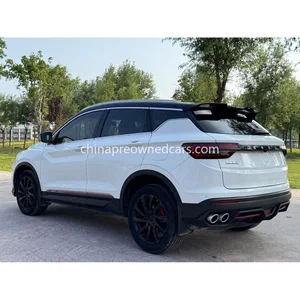

Assessing the purchase of a used vehicle for export involves a comprehensive understanding of various factors, from vehicle condition to export procedures. Buyers in markets such as Ghana, Nigeria, Kenya, Uganda, and Tanzania increasingly seek quality pre-owned models, particularly from Chinese brands like BYD, Chery, Geely, and Haval. This article outlines essential aspects that overseas buyers should verify when considering a used vehicle.
Vehicle Condition and History
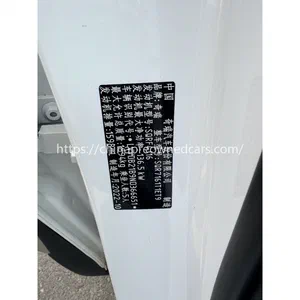
Before finalizing any transaction, buyers must scrutinize the vehicle’s condition. Important factors include mileage, service history, and accident records. Requesting documentation such as maintenance logs and inspection reports can provide insights into how well the vehicle has been maintained. For electric vehicles (EVs), it is crucial to assess battery health, as this can significantly impact performance and future expenses. Buyers should also verify the Vehicle Identification Number (VIN) to ensure authenticity and to check for any outstanding recalls or issues associated with that specific vehicle.
Export Documentation and Procedures
Proper documentation is vital for the smooth export of used vehicles. Buyers should request an export license and ensure that all customs clearance paperwork is in order. The export process typically involves pre-shipment inspections to confirm the vehicle meets the importing country’s regulations. Understanding the difference between RoRo (Roll-on/Roll-off) and container shipping is also essential. RoRo is often more cost-effective for larger shipments, while container shipping may provide better protection for the vehicle during transport.
Market-Specific Regulations
Different destination markets impose varying regulations regarding vehicle imports. Most used vehicles from China are left-hand drive, which is suitable for countries like Ghana and Nigeria but may not comply with requirements in nations favoring right-hand drive. Buyers should also check the emission standards, vehicle age limits, and other import regulations specific to their country. These regulations may change frequently, so it is advisable to confirm the current rules prior to purchase.

Verifying Exporter Credibility
Selecting a reputable exporter is crucial to avoid potential pitfalls. Buyers should assess the exporter’s track record, including customer reviews and past transactions. Engaging with previous clients can also provide valuable insights into the exporter’s reliability. Additionally, verify that the exporter is compliant with local regulations and possesses the necessary licenses for vehicle exportation.
Payment Terms and Common Issues
Understanding payment terms is essential in the export transaction process. Most exporters require a deposit upon agreement, with the remaining balance due prior to shipping. Buyers should be cautious of payment methods that lack security, such as cash transactions. Common issues can arise from miscommunication regarding vehicle specifications or delays in documentation. Clear communication and written agreements can mitigate these risks.
After-Sales Support
After-sales support is a critical aspect that can influence buyer satisfaction. Buyers should inquire about the exporter’s policies regarding warranties and any after-sales services they offer. A reputable exporter will provide assistance with post-purchase inquiries and issues that may arise after the vehicle has been delivered.
Trends in the African Used Vehicle Market
The demand for used vehicles in African markets is shifting. Chinese brands, particularly electric and hybrid SUVs, are gaining traction as buyers look for more affordable alternatives to European and Japanese vehicles. Models such as the BYD Atto 3 and Chery Tiggo series are becoming increasingly popular due to their competitive pricing and features. As buyers prioritize cost-effectiveness and fuel efficiency, the supply of quality pre-owned vehicles continues to evolve to meet these changing preferences.
FAQ
Q: What should I check before buying a used vehicle?
A: Verify the vehicle’s mileage, service history, accident records, and battery health for EVs. Also, check the VIN for authenticity.
Q: How can I ensure the exporter is credible?
A: Research the exporter’s history, read customer reviews, and confirm their compliance with local regulations and licensing requirements.