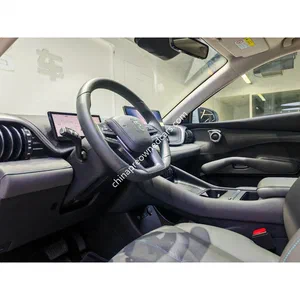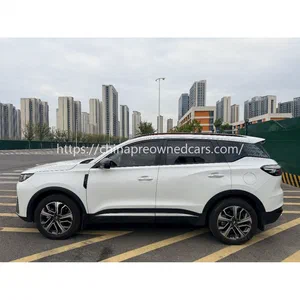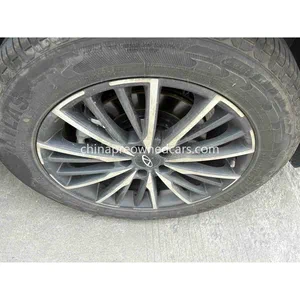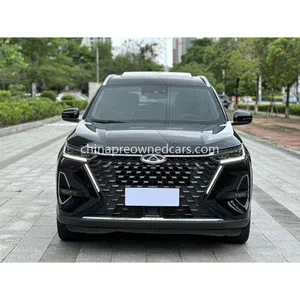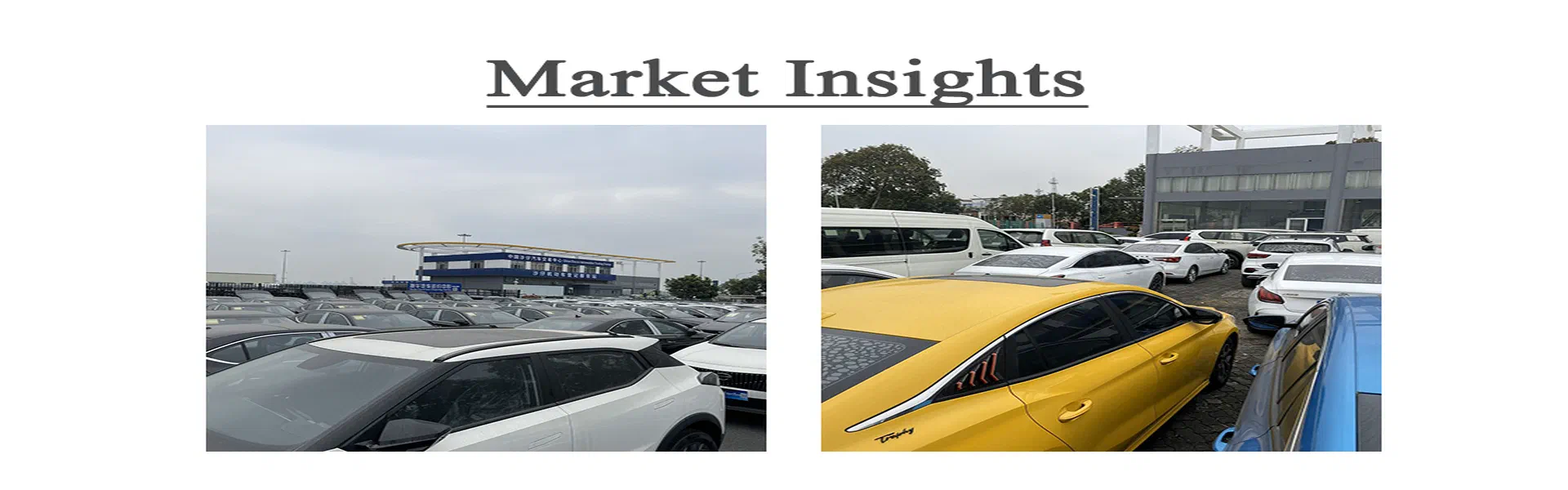
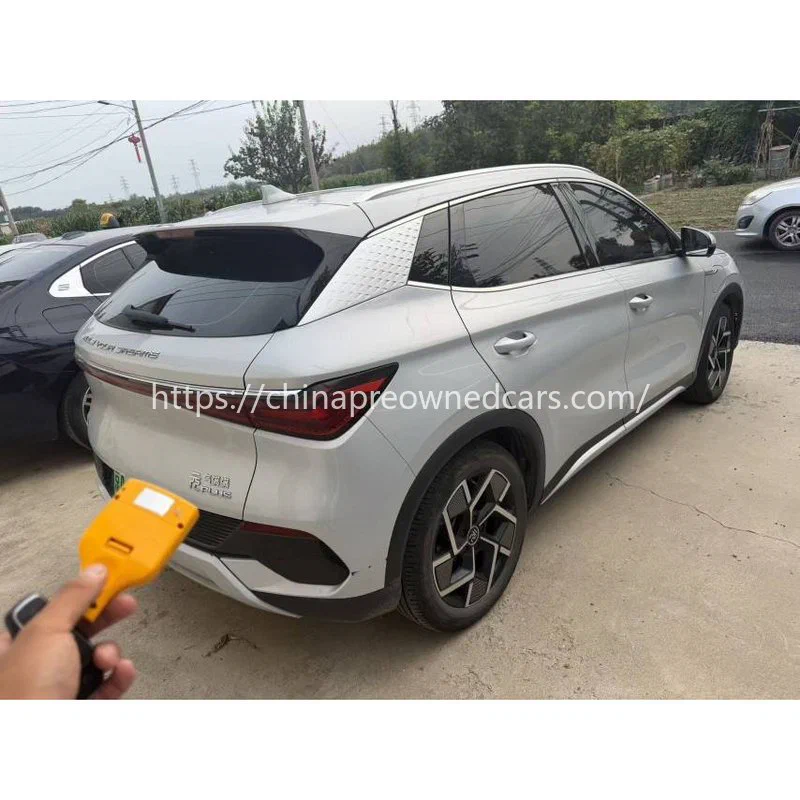
Electric vehicles, particularly second-hand electric vehicles for export, present unique opportunities and challenges for international buyers. Understanding the specifications, market demand, and regulatory requirements is crucial for successful transactions. This article examines key factors influencing the export of Chinese electric and hybrid SUVs, such as the BYD Atto 3 and Chery Tiggo 8 Pro, to markets in Africa, the Middle East, and South America.
Vehicle Specifications and Suitability
When considering second-hand electric vehicles for export, buyers must assess battery state-of-health, which significantly affects vehicle performance and resale value. Battery degradation can lead to reduced range, making it essential to verify the remaining capacity during inspections. Additionally, different markets accept various charging connector standards, including GB/T, CCS, and CHAdeMO. Buyers should ensure the vehicle’s compatibility with local charging infrastructure, as this can affect the vehicle’s usability upon arrival.
Compliance and Regulations

Importing used electric vehicles involves navigating a range of regulations, including battery transport rules under UN 3480, which classify lithium-ion batteries as dangerous goods. Each destination country has specific import regulations regarding vehicle age, emission standards, and drive side compatibility. Most vehicles in the Chinese market are left-hand drive, which may not be suitable for right-hand drive countries. It is essential for buyers to consult the latest import regulations for their target market to avoid complications during customs clearance.
Export Procedures
The export process for used vehicles includes several critical steps. Pre-shipment inspections ensure that vehicles meet the necessary standards before departure. Following inspection, comprehensive documentation is required for customs clearance, including export licenses and bills of lading. Vehicles can be shipped either via Roll-on/Roll-off (RoRo) or in containers, each with its advantages depending on the destination and vehicle type. Buyers should be aware of shipping lead times, which typically range from 15 to 25 days.
Market Trends and Buyer Preferences
The demand for Chinese electric SUVs is growing in African markets due to their affordability and increasing local interest in sustainable transport. Compared to European and Japanese alternatives, Chinese models often offer competitive pricing and advanced features tailored for urban environments. As buyer preferences shift towards eco-friendly options, the market for second-hand electric vehicles is expected to expand further, making timely and informed sourcing decisions critical.
Practical Buyer Guidance
Potential buyers should conduct thorough due diligence before purchasing second-hand electric vehicles. Verifying vehicle history, mileage, and condition through VIN checks and inspection reports is advisable. Payment terms can vary, so understanding the financial aspects of transactions is essential. After-sales support, including warranty options and service availability, should also be considered to ensure a satisfactory ownership experience.
FAQ
Q: What should I check before purchasing a second-hand electric vehicle? A: Always verify the battery state-of-health, vehicle history, and compatibility with local charging standards.
Q: How long does shipping typically take for used vehicles? A: Shipping lead times usually range from 15 to 25 days, depending on the shipping method and destination.