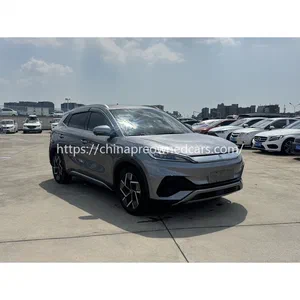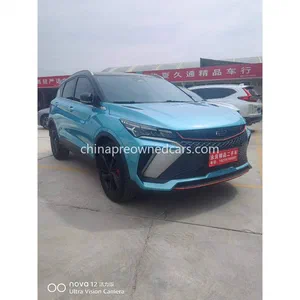

Evaluating the state of battery health is crucial when exporting hybrid and electric vehicles, particularly as demand grows in markets like Ghana, Nigeria, Kenya, Uganda, and Tanzania. Buyers should focus on the battery state-of-health assessment, which impacts both performance and resale value. Battery degradation affects range, and understanding the current state of the battery can inform future maintenance and replacement costs.
Charging connector standards vary by region. For instance, the GB/T standard is common in China, while CCS and CHAdeMO are often found in European and Japanese vehicles. Many African markets are adapting their charging infrastructure, but compatibility should be verified prior to export. Ensuring that the selected vehicle meets the local charging standards can prevent operational difficulties once the vehicle arrives at its destination.
Exporting used cars also involves navigating battery transport regulations, such as UN 3480 for dangerous goods. This regulation applies to lithium-ion batteries and mandates specific packaging and handling procedures. Exporters must ensure compliance to avoid delays in shipping and customs clearance. Additionally, pre-shipment inspection and proper documentation are vital to streamline the export process.

When sourcing electric or hybrid vehicles, it is essential to assess the local charging infrastructure in the target markets. Many regions in Africa are enhancing their charging facilities, yet the availability and reliability of these services can vary. Buyers should also consider the age limits and emission standards set by the destination country, as these regulations influence vehicle eligibility for import. Thorough verification of vehicle condition, including battery health and overall performance, is advisable to ensure a satisfactory purchase.
FAQ
Q: What should I check for when assessing battery health in a used electric vehicle?
A: Buyers should look for the battery state-of-health report and verify any maintenance records regarding the battery’s performance.
Q: Are all electric vehicles compatible with the charging standards in Africa?
A: No, charging standards can differ by market, so it’s important to confirm the compatibility of the vehicle’s charging connector with local infrastructure.
Q: What regulations must be followed when exporting electric vehicles?
A: Compliance with battery transport regulations, customs documentation, and pre-shipment inspections is required for the successful export of electric vehicles.