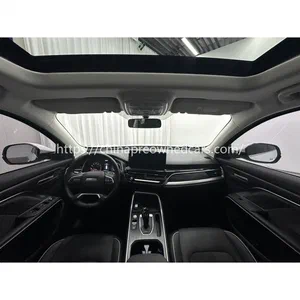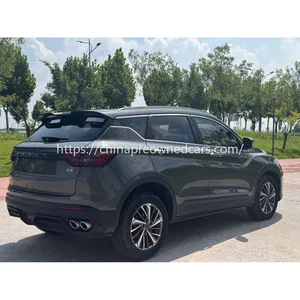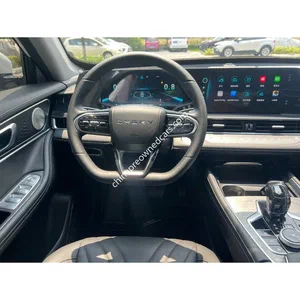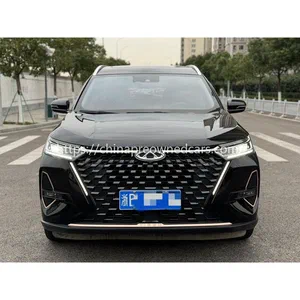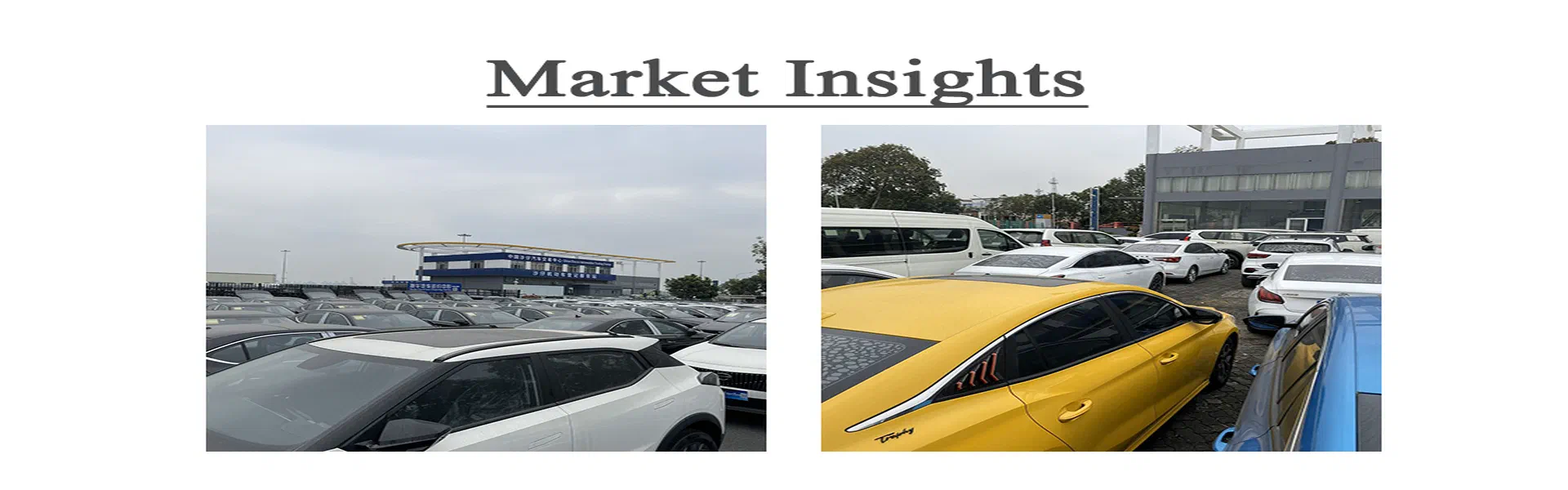
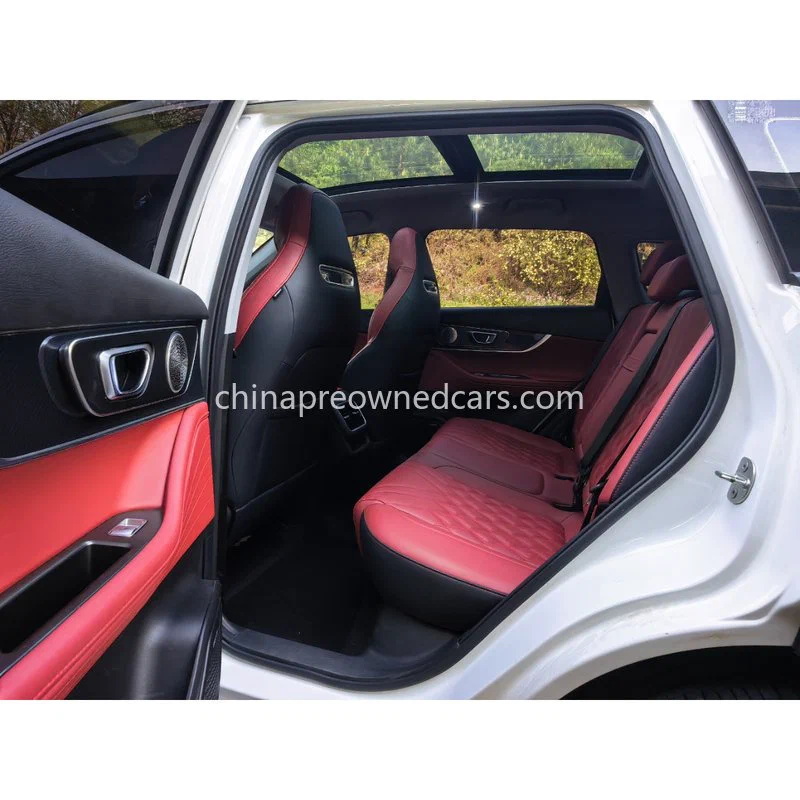
Chinese used vehicle export procedures involve several critical steps that buyers must understand to navigate the market effectively. This includes pre-shipment inspections, customs clearance, and the choice between RoRo and container shipping. Buyers should also be aware of market-specific requirements such as vehicle age limits, emission standards, and the predominance of left-hand drive vehicles.
The first step in the export process is ensuring the vehicles undergo a thorough pre-shipment inspection. This is crucial as it assesses the vehicle’s condition, including mechanical and cosmetic aspects. Buyers should request detailed inspection reports to verify the vehicle’s grade, as these reports will influence their purchasing decision. Without this information, buyers may face unexpected issues upon arrival in their destination market.
Customs clearance is another vital stage in the export process. This involves submitting the necessary documentation to customs authorities in both China and the destination country. Required documents typically include export licenses, commercial invoices, and packing lists. Each destination country has its own set of customs regulations, which can vary significantly. Buyers must ensure they comply with these regulations to avoid delays or additional costs.
Shipping options generally fall into two categories: RoRo (Roll-on/Roll-off) and container shipping. RoRo is often more cost-effective for larger vehicles like SUVs, allowing them to be driven directly onto the shipping vessel. Container shipping provides added protection against damage but can be more expensive and may require additional time for loading and unloading. Buyers should weigh these options based on their specific needs and budget.
In terms of market suitability, Chinese-brand SUVs such as the BYD Atto 3, Chery Tiggo 7 Plus, Chery Tiggo 8 Pro, Geely Coolray, and Haval H6 have gained traction in regions like Ghana, Nigeria, Kenya, Uganda, and Tanzania. As the demand for electric and hybrid vehicles grows, these models are well-positioned to meet market preferences, especially given their competitive pricing compared to European and Japanese alternatives.
Buyers should also familiarize themselves with the import regulations specific to their country. For instance, some countries impose age limits on vehicles or have stringent emission standards. Most Chinese vehicles are left-hand drive, which aligns with the requirements in many African markets. However, buyers in countries with right-hand driving regulations must ensure they source vehicles that meet these criteria.
Practical guidance for buyers includes verifying the vehicle’s history, condition, and mileage through VIN verification and other documentation. Payment terms should be clearly defined in contracts, detailing the deposit amount and final payment conditions. Shipping lead times can vary, typically ranging from 15 to 25 days, depending on the shipping method and destination. After-sales support is another essential aspect; buyers should confirm what services are available post-purchase, including warranty options and parts availability.

FAQ
Q: What should I check before purchasing a used vehicle from China?
A: Buyers should verify the vehicle’s condition, history, and compliance with local regulations, including emissions and age limits.
Q: How long does shipping usually take for vehicles exported from China?
A: Shipping lead times typically range from 15 to 25 days, depending on the chosen shipping method and destination.