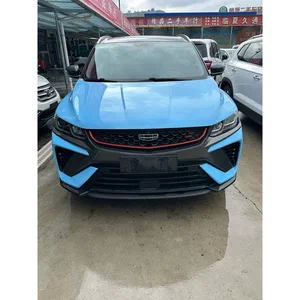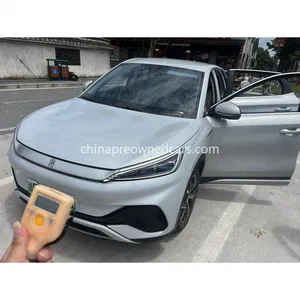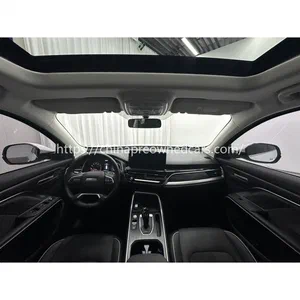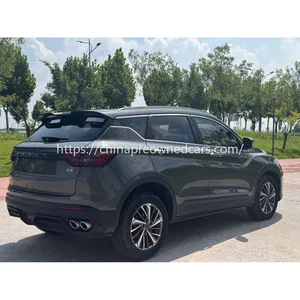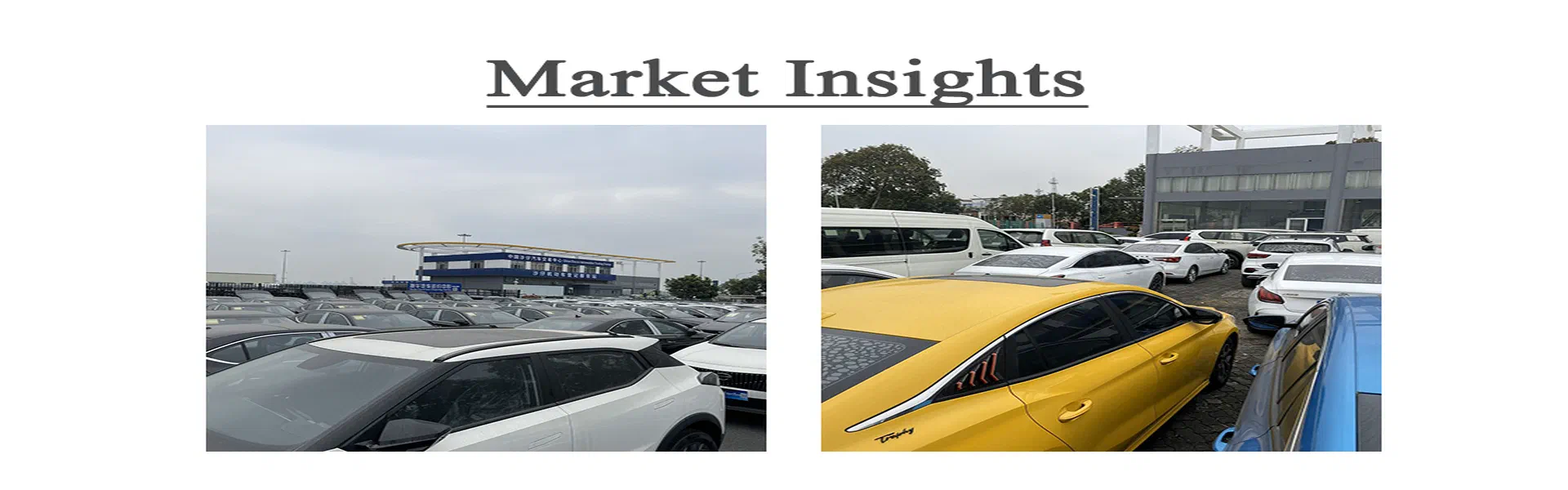
China’s used vehicle exports are increasingly meeting the demands of Africa’s expanding automotive market. With a growing middle class and rising interest in electric and hybrid vehicles, countries like Ghana, Nigeria, Kenya, Uganda, and Tanzania are becoming key destinations for luxury 2nd hand cars. This article examines the vehicle features and specifications that appeal to these markets, alongside the export procedures and regulations that buyers must navigate.
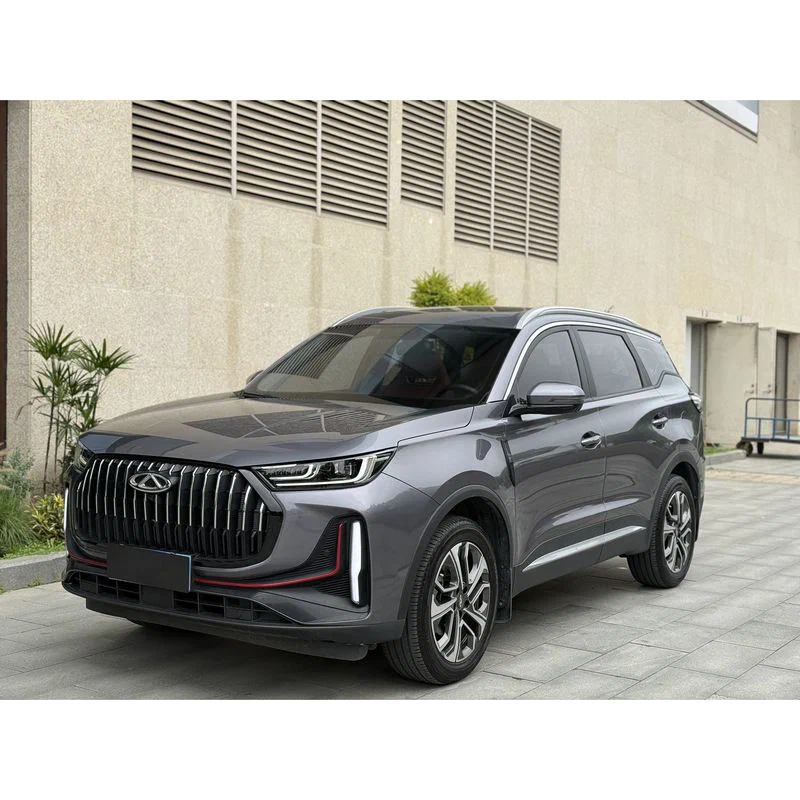
Market demand in Africa is shifting towards vehicles that can withstand diverse road and climate conditions. Models like the BYD Atto 3, Chery Tiggo 7 Plus, and Haval H6 are well-suited for urban landscapes and rural areas alike. Most vehicles in this inventory are left-hand drive, aligning with the driving regulations in these countries. Buyers should prioritize models that offer durability and reliability, especially in regions where road maintenance may be inconsistent.
Age and emission limits are critical considerations when exporting vehicles to Africa. Generally, buyers should be aware that each destination market has different import regulations regarding the age of vehicles and emissions standards. For example, some countries may impose restrictions on vehicles older than a certain number of years. Therefore, it is advisable for buyers to confirm the specific regulations in their target country before proceeding with a purchase.
Fuel and charging infrastructure also play a significant role in vehicle suitability. Electric vehicles like the BYD Atto 3 present a unique advantage in urban areas where charging stations are available, but buyers should assess the availability of such infrastructure in their specific region. In contrast, hybrid models can offer more flexibility, especially in areas where fuel availability is inconsistent. Understanding local fuel prices and the reliability of fuel supply is essential for making an informed purchase.
The export process for vehicles from China includes several essential steps, beginning with pre-shipment inspection and securing an export license. Buyers must ensure that all necessary documentation, including customs declarations, are in order to avoid delays. Vehicles can be shipped as Roll-on/Roll-off (RoRo) or loaded into containers, each option offering different benefits and costs. RoRo shipping is generally more cost-effective but requires that vehicles be in a drivable condition.

Buyers should focus on vehicle condition and history when considering a purchase. Obtaining a vehicle history report can provide insights into previous ownership, accident history, and maintenance records. Additionally, verifying the state of key components like the battery health for electric and hybrid models is crucial. Buyers should ensure that they conduct thorough inspections or hire professionals to assess the vehicle before finalizing the transaction.
Payment terms and shipping lead times also influence the purchasing process. Typically, payments may involve upfront deposits followed by the balance upon shipment. Shipping lead times can vary based on the chosen method and destination, often ranging from 15 to 25 days. Buyers should factor in these timelines when planning their vehicle acquisition.
After-sales support is another important aspect to consider. Buyers in African markets should look for exporters who offer warranties or service packages that extend beyond the initial purchase. This can include maintenance support or spare parts availability, which can be crucial for ensuring the longevity of the vehicle in challenging environments.
FAQ
Q: What should I consider when buying a used vehicle for export to Africa?
A: Buyers should assess vehicle suitability based on left-hand drive compatibility, road conditions, and local fuel or charging infrastructure.
Q: How can I ensure I comply with import regulations?
A: It’s essential to verify specific age limits and emission standards for the destination market, as these can differ significantly between countries.