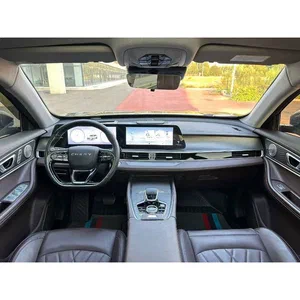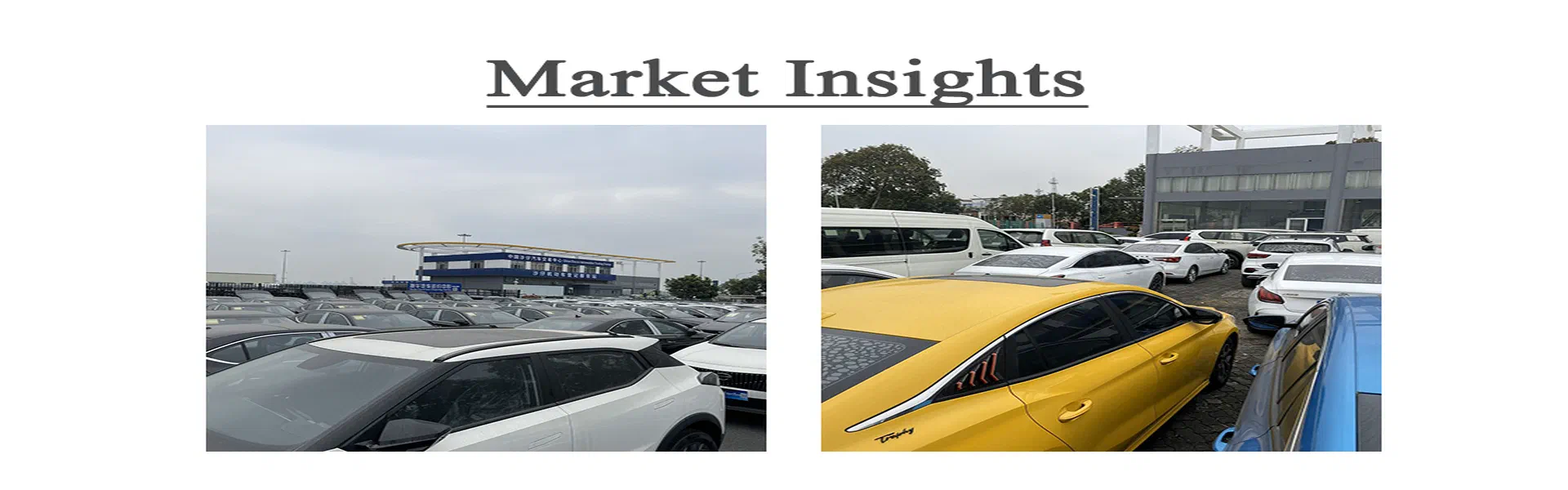
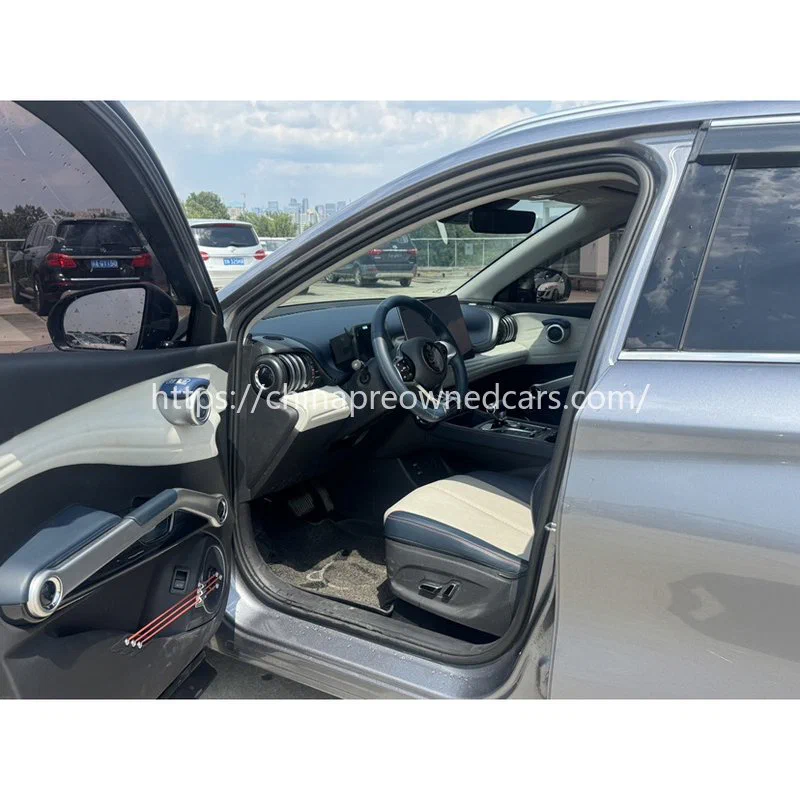
Assessing the quality of used vehicles is crucial for buyers in the export market, especially when considering models like the BYD Atto 3, Chery Tiggo 7 Plus, and Haval H6. Different grading systems provide insight into vehicle condition and market suitability. Key factors include cosmetic condition, mechanical health, mileage bands, and service history. Understanding these metrics guides buyers in making informed decisions while sourcing vehicles from China.
Used vehicles typically undergo various inspections to determine their condition. Export-grade or dealer-grade definitions vary; generally, they indicate a vehicle ready for resale with minimal repairs needed. Inspections often cover critical areas such as engine performance, transmission, brakes, and electrical systems. However, it is essential for buyers to confirm the extent of inspections carried out, as some aspects may not be thoroughly evaluated. For instance, while a vehicle may pass mechanical checks, buyers should verify the accuracy of reported mileage and maintenance records.
Condition grading usually involves categories such as excellent, good, fair, and poor. Excellent vehicles may exhibit minimal wear and tear, while those graded as fair may require cosmetic repairs. Buyers should be vigilant for red flags, including excessive rust, body damage, or signs of previous accidents. Such issues can significantly affect resale value and overall reliability. A thorough pre-purchase inspection by a qualified mechanic is recommended to confirm the vehicle’s actual condition before finalizing any purchase.

Export logistics are another critical consideration in the used vehicle trade. Vehicles from China require export licensing, customs declaration, and pre-shipment inspection before leaving the country. Shipping methods typically include RoRo (Roll-on/Roll-off) or container shipping, with the choice impacting cost and delivery time. Buyers should be aware of the documentation needed for customs clearance in their destination markets. This includes titles, bills of lading, and any inspection certificates that may be required by local authorities.
Understanding market-specific requirements is essential when exporting vehicles to regions such as Africa, the Middle East, and South America. Most vehicles in the inventory are left-hand drive, which suits many markets but may not be appropriate for others that require right-hand drive. Emission standards and age limits for vehicles also vary, making it important for buyers to confirm current regulations in their target countries. Keeping abreast of these requirements aids in ensuring compliance and smooth entry into the market.
FAQ
Q: What should I check before purchasing a used vehicle for export?
A: Buyers should verify the vehicle’s service history, inspect for any cosmetic or mechanical issues, and confirm the accuracy of the mileage.
Q: What is the difference between RoRo and container shipping?
A: RoRo involves driving the vehicle onto a ship, while container shipping secures vehicles in containers, offering more protection during transit.
Q: How can I assess the condition of a used vehicle?
A: A vehicle’s condition can be assessed through grading systems, mechanical inspections, and by checking for any visible damage or signs of wear.