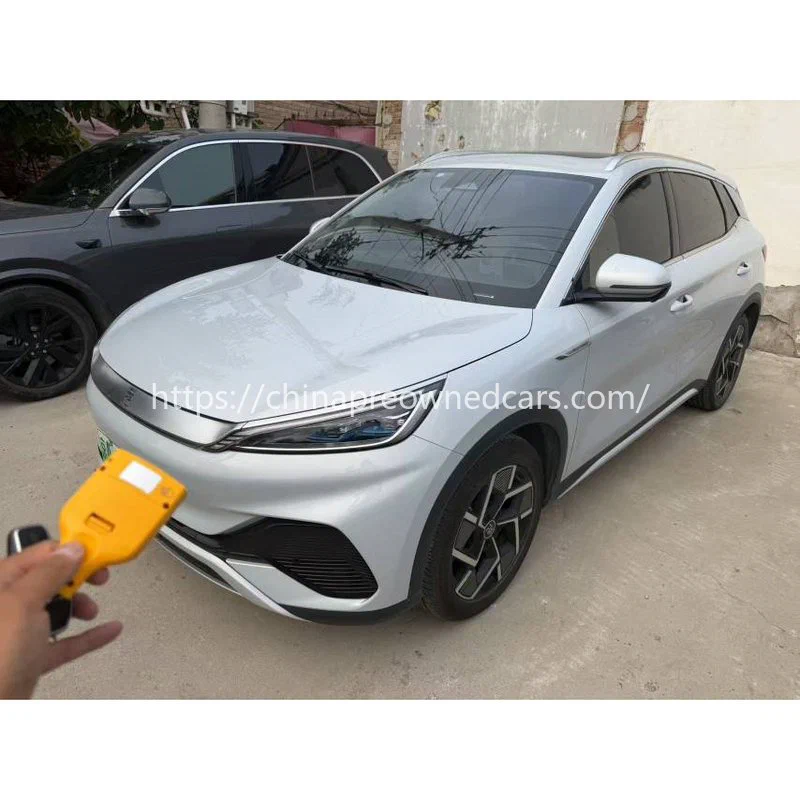
Exporting electric and hybrid vehicles from China involves various considerations, particularly around battery health and charging standards. Buyers seeking vehicles like the BYD Atto 3 or Chery Tiggo 8 Pro for markets in Africa or South America must understand not only the specifications of the vehicles but also the technical requirements that impact their usability and resale value. Key factors include battery state-of-health assessments, appropriate charging connector standards, and the handling of regulations concerning battery transport.
The state of a vehicle’s battery is critical. A thorough assessment of battery health can help predict future performance and longevity. Many markets have adopted specific charging standards, such as GB/T for China, CCS for Europe, and CHAdeMO for Japan. Understanding which standards are accepted in destination markets is essential, as mismatches can hinder the usability of the vehicle upon arrival. Buyers should verify whether local infrastructure supports these charging methods, as inadequate charging options can significantly impact the vehicle’s practicality and resale value.

Compliance with battery transport regulations is also crucial. According to UN 3480 guidelines, batteries are classified as dangerous goods, which necessitates specific handling and packaging during shipping. Exporters must ensure that all vehicles comply with these regulations to avoid delays or penalties at customs. Additionally, the vehicle’s documentation should include detailed information about its battery to facilitate smooth customs clearance.
In terms of market-specific requirements, the age, emission standards, and drive-side configuration are significant when exporting vehicles. Most Chinese used vehicles are left-hand drive, which may limit their appeal in regions where right-hand drive is the norm. Buyers should confirm current regulations concerning vehicle age and emissions, as these can vary by country and change over time. Understanding these restrictions will help in selecting suitable vehicles for specific markets, such as Nigeria or Kenya.
Range and battery degradation directly influence the resale value of electric and hybrid vehicles. As battery technology continues to evolve, older models may see a decline in demand due to decreased range and efficiency. Buyers should consider these factors when sourcing vehicles, particularly for markets where fuel efficiency and operational costs are major purchasing drivers. Conducting a thorough quality assessment of the vehicle’s condition, including mileage and previous usage, is essential before finalizing a purchase.
Exporting electric and hybrid vehicles requires attention to detail and an understanding of both technical specifications and market dynamics. Buyers must ensure they verify the battery’s condition, confirm compliance with local regulations, and understand the implications of charging standards on vehicle usability. This diligence will facilitate successful transactions and enhance the profitability of investments in used electric and hybrid vehicles.
FAQ
Q: What should I check about the battery before purchasing an electric vehicle for export?
A: Verify the battery state-of-health assessment to ensure it meets performance expectations and longevity.
Q: How do charging standards affect vehicle export?
A: Different markets may accept various charging standards, and ensuring compatibility with local infrastructure is crucial for usability.